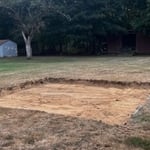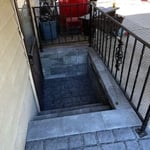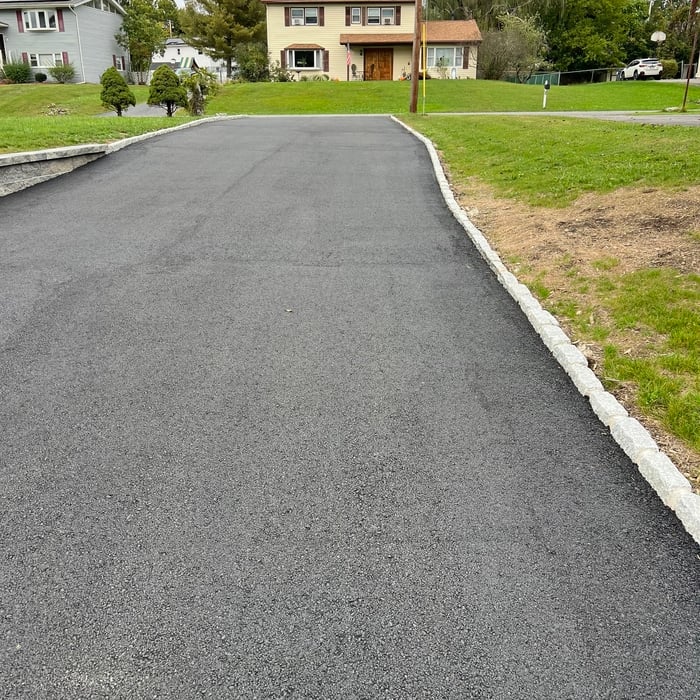

Top-rated excavation pros.

Get matched with top excavation pros in Chester, NY

Enter your zip and get matched with up to 5 pros

Need a pro for your excavation project in Chester, NY?

Select your specific project to find the pro for you.

TRUSTED BY CHESTER, NY HOMEOWNERS

  • Average homeowner rating star icon4.7
    Average homeowner rating
  • Verified reviews icon38
    Verified excavation services reviews

Find Excavation pros in Chester

Lawn In Order Excavating And Landscape Design
4.0(
14
)
Landscape - Minor Grading or ReslopingBuilding Site - Preparation and ClearingExcavation - Major Grading or Resloping

Serving Chester, NY and surrounding areas

Approved

In business since 2003

Free estimates

Customers say: Quality work

"Matt and the crew had to deal with some unpredictable weather, but got the job done well. So very glad that I hired Matt! He is very knowledgeable and got the job done right."
6 neighbors recently requested a quote
Recommended by100%of homeowners
Avatar for Cappella Enterprises Landscape Design & Development, Inc.
Cappella Enterprises Landscape Design & Development, Inc.
5.0(
12
)
Landscape - Minor Grading or ReslopingExcavation - Major Grading or Resloping

Serving Chester, NY and surrounding areas

Approved

Super Service Award Winner

In business since 2019

Free estimates

Warranties offered

"Rob and his team at Cappella Enterprises are exceptional at what they do. Their deep understanding of retaining wall design, permitting, and construction made the entire process smooth from start to finish. I obtained several bids for my project, but Rob was the only contractor who presented a comprehensive plan that addressed every aspect of the work. He completed the wall design and delivered engineer‑stamped plans for my building permit in about a week—and at a very reasonable cost. As an engineer myself, I even consulted colleagues who specialize in retaining walls, and none of them could match Rob’s pricing or turnaround time. Beyond that, Rob’s construction methods are clearly superior to those used by other contractors. When I began the project, I only had a general idea of what I wanted. Rob took those ideas and transformed them into a complete, well‑thought‑out vision, guided by his extensive experience. What impressed me most was his ability to handle unexpected challenges"
Custom outdoor Kitchen
Custom Grill
Circular fire pit with pavers and lighting
curved walkway and planter with custom planting
Ken's House

+23

Response time1 day
Response rate86%
24 neighbors recently requested a quote
...
Showing 1-10 of 153
Excavating questions, answered by experts

After you successfully remove your boulder, you have a few options for what to do to get rid of it. You can rent a dumpster if your yard has many boulders or if you’re planning a larger project. You can even save the boulder and reuse it elsewhere on your property to save on landscaping costs. A few ideas include using the boulder as a natural, abstract statue, breaking it into smaller pieces to line your garden bed, or offering it to a landscaping company that could reuse it for another project.

To drill a shallow well, you may be able to use a drive well point. This is a tapered point that is driven into the ground. A drill bit at the end of PVC pipe may be another option to consider. A lot of the cost depends on what tools are available near you.

Sewer lines can be buried anywhere from 18 inches to 8 feet deep, with a common average depth between 18 and 30 inches. The exact depth depends on local factors like climate and soil type. In colder regions, pipes must be buried deeper (below the frost line) to prevent freezing, sometimes as deep as 8 feet. The digging depth can also impact the cost of sewer line replacement. To find the specific depth for your property, you can check the building plans for your system, which should be on file with your city or local sanitation department since permits are required for installation.

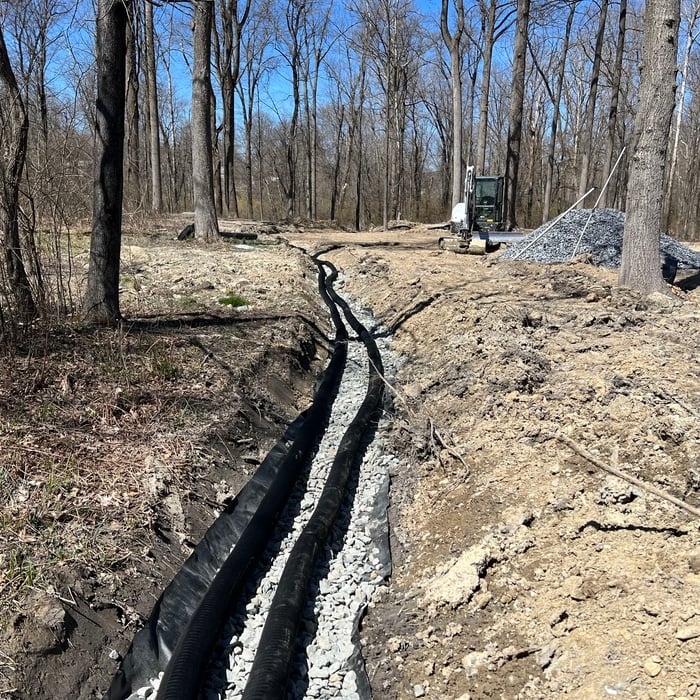
A trench that is less than 5 feet deep often doesn't require a protective system. Most residential trenches will not go this deep (the typical residential drainage trench is just 18 inches deep). In the event that an excavator needs to dig more than 5 feet beneath the surface, a protective system is required unless the excavation is in entirely stable rock.

Hardscaping often requires preparation of the ground in the area where the feature is being installed. This can include digging, compacting, and leveling the soil, ensuring adequate drainage, and removing any existing plants. The extent of preparation needed will depend on the type and size of the hardscaping feature being installed.

The Chester, NY homeowners’ guide to excavation services

From average costs to expert advice, get all the answers you need to get your job done.