

Top-rated fireplace pros.

Best fireplace pros near Central Valley, NY

Enter your zip and get matched with up to 5 pros

Need a pro for your fireplace service project in Central Valley, NY?

Select your specific project to find the pro for you.

TRUSTED BY CENTRAL VALLEY, NY HOMEOWNERS

  • Average homeowner rating star icon3.9
    Average homeowner rating
  • Verified reviews icon26
    Verified fireplace services reviews

Top-Rated Fireplace pros in Central Valley - Updated Nov 2026

Avatar for Chimneys R Us, LLC
Chimneys R Us, LLC
4.0(
35
)
Clean and Inspect a wood fireplace chimneyBrick or Stone Fireplace (Non-Gas) - RepairClean and Inspect a gas fireplace+7 more

Serving Central Valley, NY and surrounding areas

Approved

In business since 2017

Free estimates

Emergency services offered

"The workers and office staff were easy to talk to, well informed, courteous , and efficient. They performed a thorough inspection. Recommended and installed a stainless liner and cap for the furnace flue and a new damper on the fireplace flue. Their price was better than previous quotes and even set up a partial payment plan. I am very pleased with the work they did."
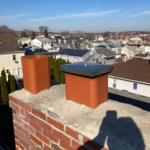
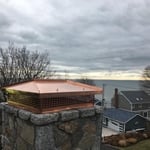
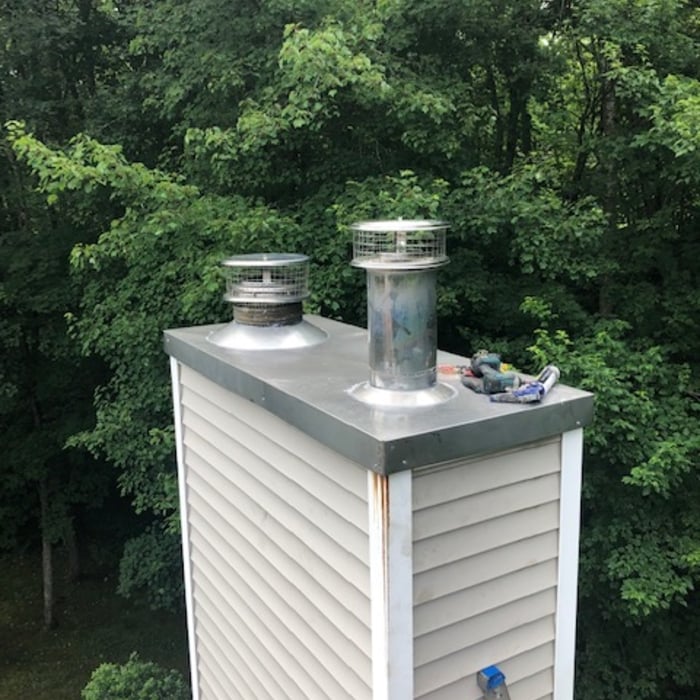
COPPER CAP
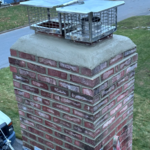
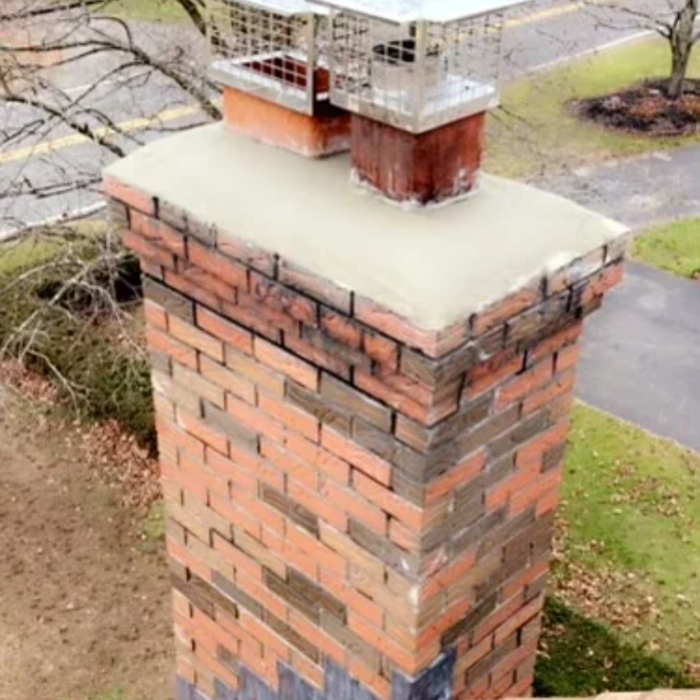
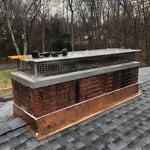
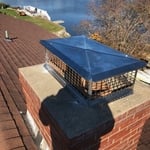
CUSTOM CAP
CUSTOM CAP
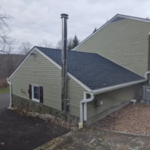
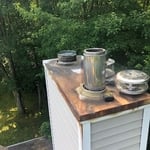
OLD CHASE COVER
NEW CHASE COVER

+9

Response time1 hour
Response rate99%
1 neighbors recently requested a quote
...
Showing 1-10 of 174
Fireplaces FAQs, answered by experts

A well-constructed and regularly maintained brick chimney can last 50 to 100 years, potentially spanning multiple generations of homeowners. The exact lifespan depends on the quality of construction, materials, local environment, and maintenance. In contrast, a metal chimney typically lasts 15 to 20 years. While the main structure is durable, individual components have shorter lifespans and require more frequent replacement. For example, mortar may need repointing every 20 to 30 years, chimney crowns last 50 to 75 years, and liners can last anywhere from 15 to 50 years depending on the material (e.g., stainless steel vs. cast-in-place).

You can burn wood with oak wilt, as heat from the fire destroys the fungus, and smoke won’t threaten healthy trees. However, wood of unknown origin should be burned during the dormant season—do not store wood in the warmer months for the winter season. If you harvest oak, let it dry in the sun before transporting it elsewhere.

Although they provide heat, light, and atmosphere, pellet stoves require electricity to run certain parts, which some homeowners may find to be an unfortunate additional expense. They can also produce noises that some may find annoying, like a low rumble from the blower fan or its motor.

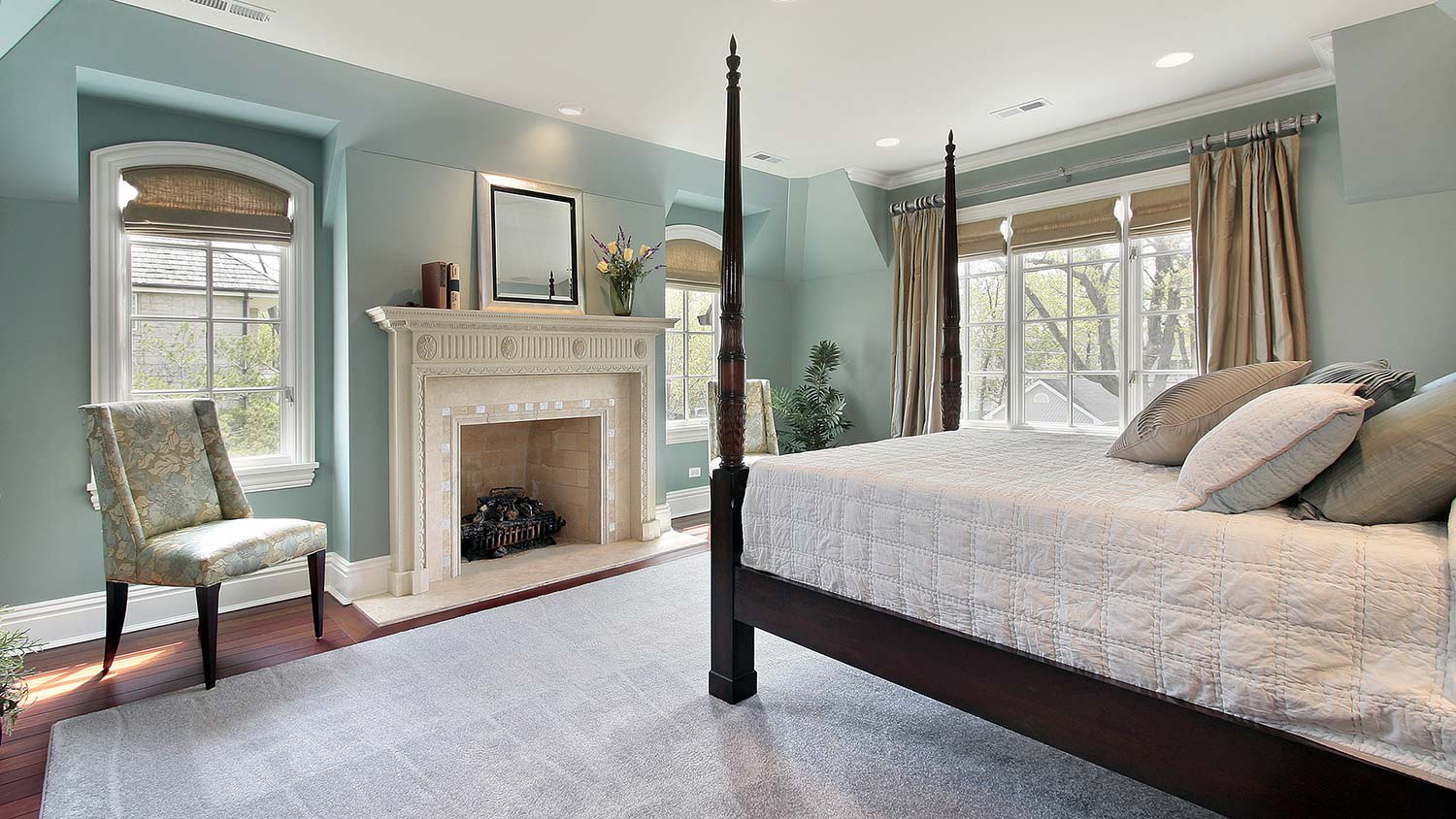
When your fireplace is not in use for longer periods of time, such as over the summer, you can keep smells at bay by spraying either a commercial fireplace deodorizing product or a blend of one part distilled white vinegar to one part water around the walls of the fireplace. 

Or, you can place a container of charcoal inside the fireplace to absorb odors. Just be sure to remove it before it’s time to start using the fireplace again.

Some types of electric fireplaces use more electricity than others. Models that produce 1,500 watts will have more of an effect on your heating bill than 750-watt models. 

Electric fireplaces use an average of $1.85 of electricity every eight hours. These minimal operational costs aren’t likely to make a big difference in your electric bill—unless you’re using it as a primary heating source for your home and it’s running most of the time.

The Central Valley, NY homeowners’ guide to fireplace services

From average costs to expert advice, get all the answers you need to get your job done.