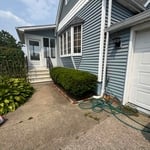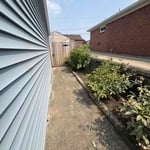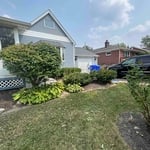



Top-rated excavation pros.

Get matched with top excavation pros in Amherst, NY

Enter your zip and get matched with up to 5 pros

Need a pro for your excavation project in Amherst, NY?

Select your specific project to find the pro for you.

TRUSTED BY AMHERST, NY HOMEOWNERS

  • Average homeowner rating star icon4.8
    Average homeowner rating
  • Verified reviews icon37
    Verified excavation services reviews

Find Excavation pros in Amherst

Avatar for Back Home and Yard Services
Back Home and Yard Services
5.0(
4
)
Excavation - Major Grading or ReslopingExcavation - Major Grading or Resloping - For BusinessLandscape - Minor Grading or Resloping

Serving Amherst, NY and surrounding areas

Approved

In business since 2020

Free estimates

Credit card accepted

"I have had Jack and his crew do a couple of jobs for me, I found them to be professional, punctual, and work hard the whole time they are here. If you text Jack he gets back to you quickly. I will hire them again this year. I have been very happy with them and I would not hesitate to recommend him to anyone."

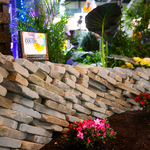
Plantasia 2024
Plantasia 2024
Plantasia 2024
Response time10 hrs

Response rate87%
Recommended by80%of homeowners
...
Showing 1-10 of 134
Excavating questions, answered by experts

Landscape edging is more DIYable than trenching. You can DIY your own digging projects, but proceed carefully and only with proper knowledge of the equipment and appropriate safety measures in place. Keep in mind the project's scope and estimate how long it will take you to do it on your own. While you can certainly save money by DIYing home improvement projects, you can’t exactly hide an unfinished—or worse, ruined— landscaping job from the neighbors. It’s always safer to call an excavation pro near you to get an estimate.

Digging a bush up by the roots is the most natural DIY method for removing a bush stump. Start by identifying the shrub type and revealing its roots. Cut the shrub to its base and loosen the soil, ensuring no utility lines are nearby. Optionally, treat the base with herbicide, then dig around the roots and cut a circle around the shrub using various tools. Dig a trench, cut the base of the root ball, and finally fill the hole to prevent regrowth. This thorough process ensures complete removal without damaging surrounding areas.

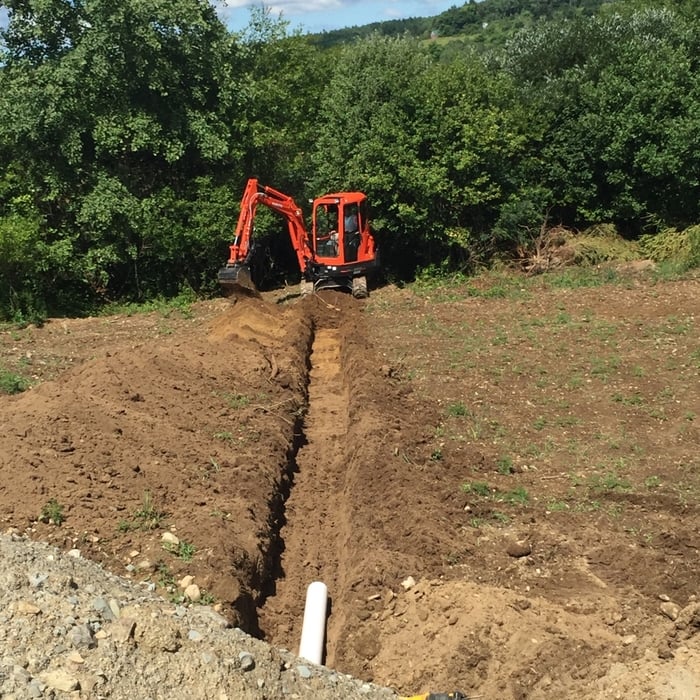
Trenches are typically 12 to 24 inches deep and 8 inches wide. However, the required depth depends on the specific project and local ordinances. For example, a French drain may need to be 18 inches deep, while a water pipe might require a depth of 24 inches and a drainage pipe 36 inches. Your city or county may have specific regulations, so it's wise to consult with an excavation professional to determine the correct depth for your project.

It can take several weeks for the ground to settle after removing a tree, and the soil under larger, more mature trees can take months. The deeper the tree has been ground under the soil, the longer it will take to settle. However, this extra depth can help you plant new landscaping sooner because you’ll have more space for fresh soil.

No, a ditch isn’t a trench. A ditch is an open, relatively shallow channel that’s carved out of the ground and used for drainage purposes. In contrast, a trench is a deeper excavation that’s entirely underground. Trenches have many uses, including gas lines, sewage systems, and electrical wiring. Unlike trenches, ditches don’t get filled back in with dirt after they’re dug.

The Amherst, NY homeowners’ guide to excavation services

From average costs to expert advice, get all the answers you need to get your job done.