



Andy Sams Cleaning Services
Outdoor Kitchen-BuildOutdoor Kitchen-Build - For Business
Serving Smith, NV and surrounding areas

*The Angi rating for Outdoor Kitchen Service companies in Smith, NV is a rating based on verified reviews from our community of homeowners who have used these pros to meet their Outdoor Kitchen Service needs.
*The HomeAdvisor rating for Outdoor Kitchen Service companies in Smith, NV is a rating based on verified reviews from our community of homeowners who have used these pros to meet their Outdoor Kitchen Service needs.
Last update on October 07, 2026
Serving Smith, NV and surrounding areas
From average costs to expert advice, get all the answers you need to get your job done.
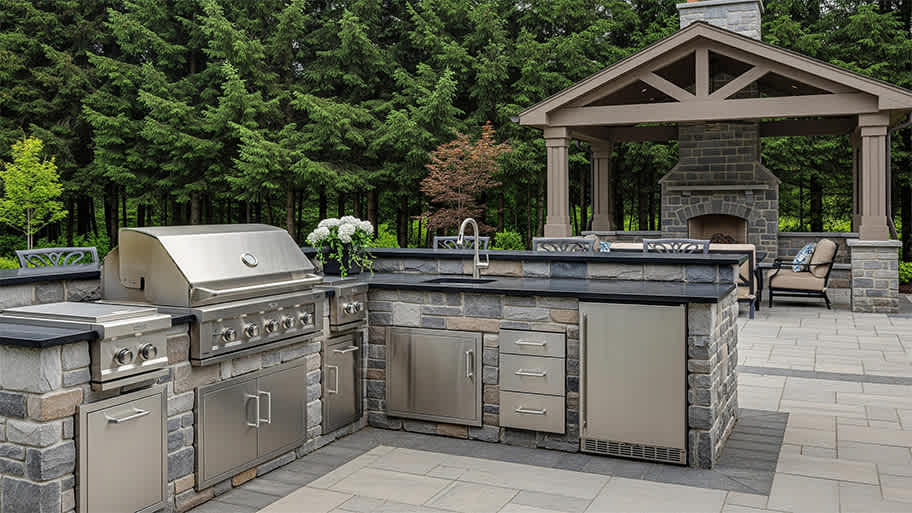
Discover the cost to build an outdoor kitchen, including average prices, cost factors, and tips to help you plan your project and maximize your investment.
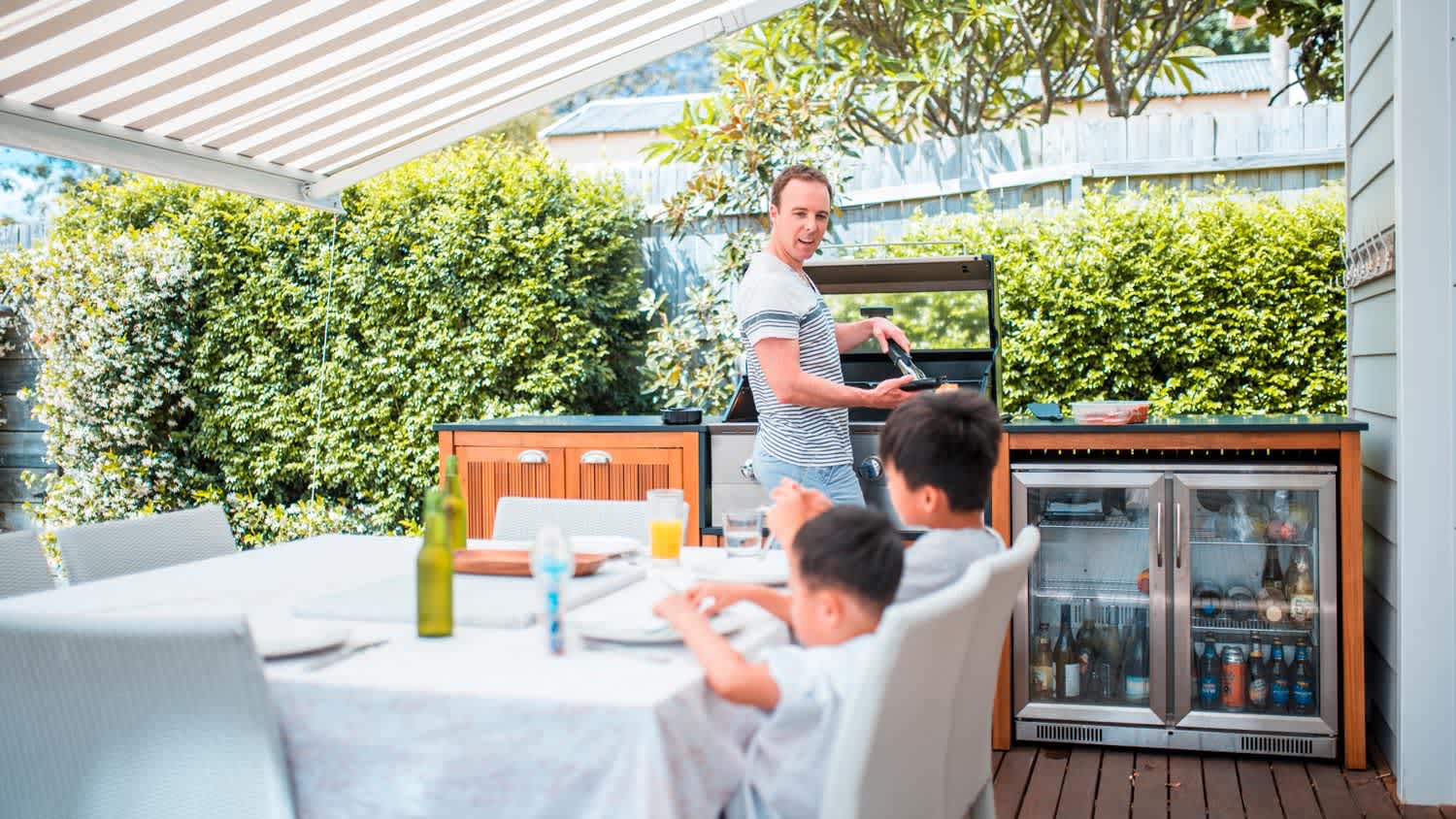
Considering an outdoor kitchen? If you enjoy entertaining loved ones or prefer your meals alfresco, here's how to evaluate if an outdoor kitchen may add value to your home.
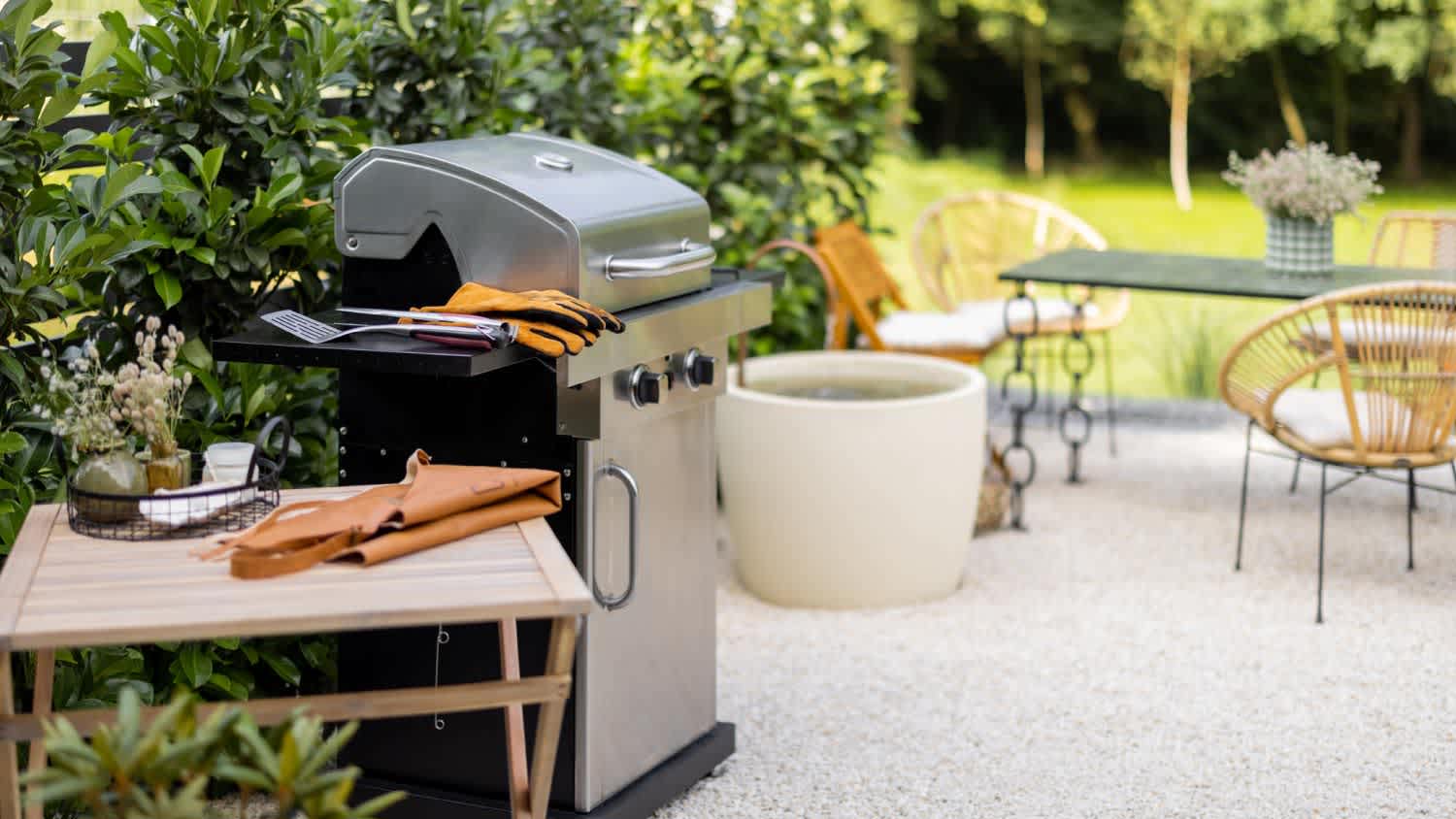
The best outdoor kitchen design ideas are ones that suit your needs. Check out these layouts and design concepts to help you assemble your perfect outdoor kitchen.

Dreaming of an outdoor kitchen? Get layout ideas for everything from a simple, low-budget DIY outdoor kitchen to a state-of-the-art, chef-worthy space.
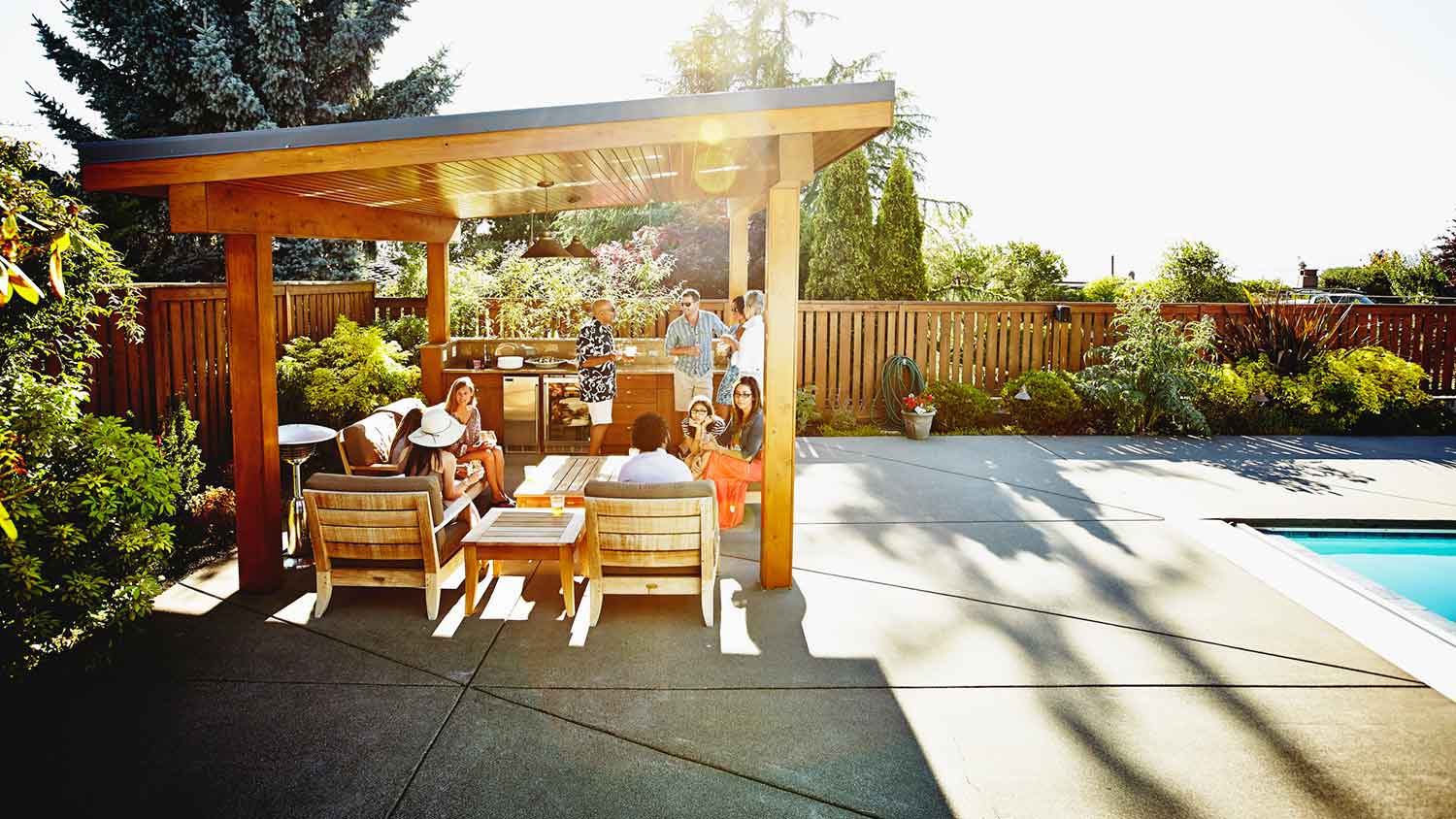
A covered space is ideal for grilling comfortably without worrying about rain or heat. Use our list of outdoor kitchen gazebo ideas to inspire your next project.