


Top-rated drywall pros.

Get matched with top drywall pros in Overton, NV

Enter your zip and get matched with up to 5 pros

Need a pro for your drywall service project in Overton, NV?

Select your specific project to find the pro for you.

Find Drywall pros in Overton

Avatar for VLD Vegas Painting
VLD Vegas Painting
4.6(
67
)
Drywall - InstallDrywall - Install - For BusinessDrywall - Repair+1 more

Serving Overton, NV and surrounding areas

In business since 1998

Free estimates

Credit card accepted

"I would hire Victor again in a heartbeat. Nicely done and great attention to detail. The original work involved patching and painting a patio and painting intricate entryway gate and window grates, all of which he did perfectly. I was so pleased, I had Victor tackle some stone masonry on our patio pillars. Likewise, his work was perfect."
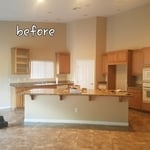
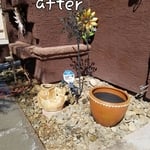
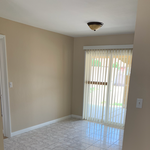
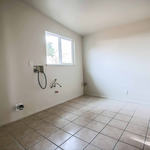
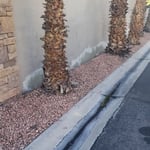
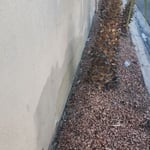
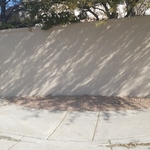
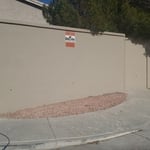
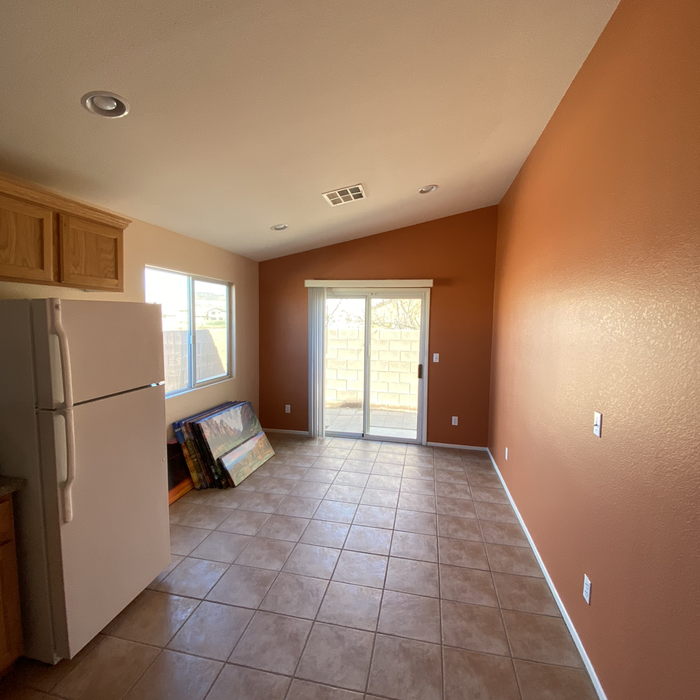
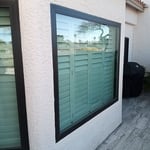
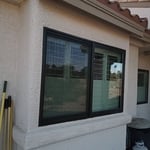
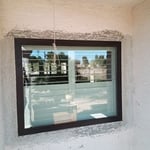
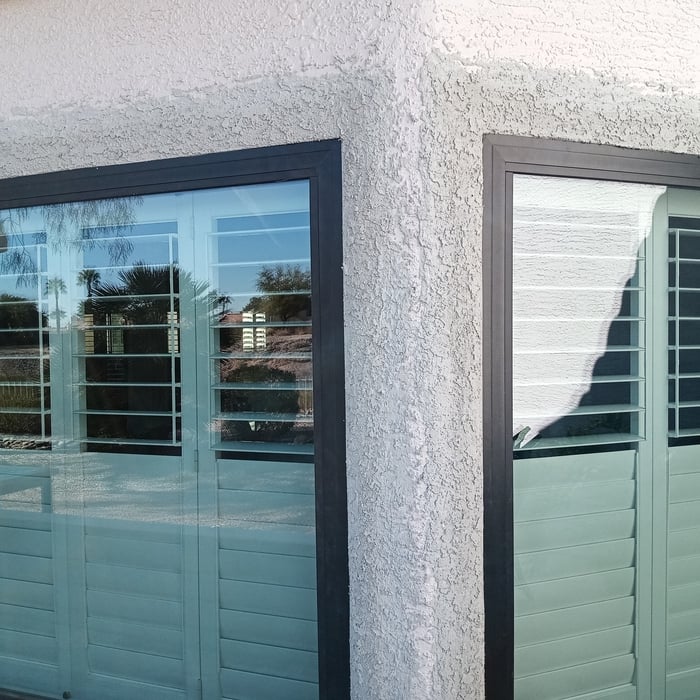
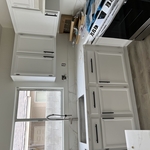
Additional Photos
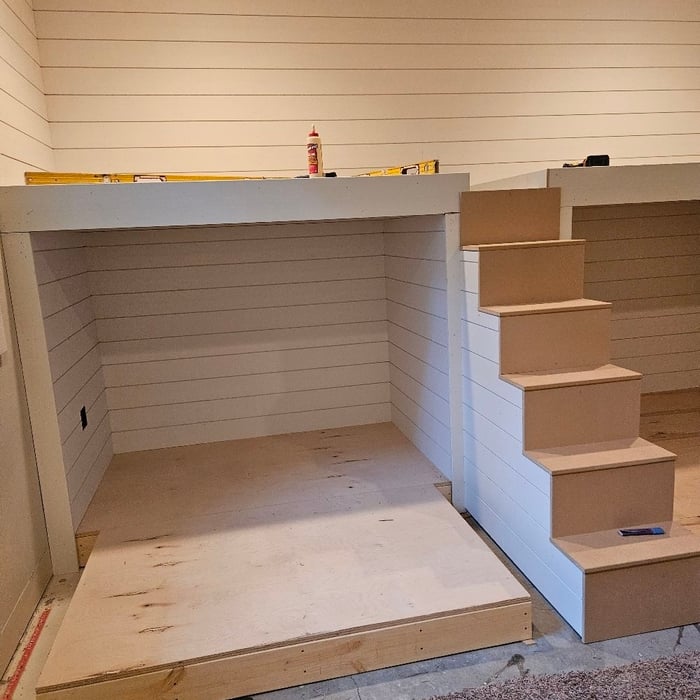
Additional Photos
Additional Photos
Additional Photos
Recommended by91%of homeowners
Avatar for RMN Paint Finishes
RMN Paint Finishes
5.0(
10
)
Drywall - InstallDrywall - Install - For BusinessDrywall - Repair+1 more

Serving Overton, NV and surrounding areas

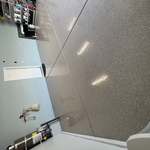
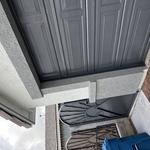
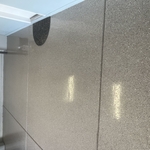
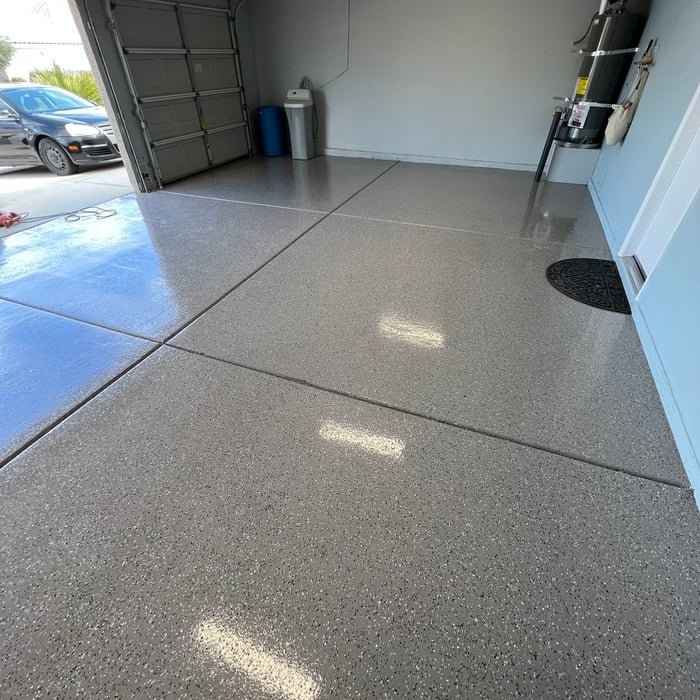
"I have used Juan several times. Over time he has painted the inside of my house and everything is always perfect. When finished everything is cleaned up and back in order. I recently had him epoxy paint my garage floor, cleaning up a job resulting from a scammer. lesson learned!! He also painted my garage door and it looks like new! He lets you know when he’ll be there and he does a top notch job at a reasonable price. You won’t be disappointed."
Epoxy Flooring Project
Painting - Interior Project
Epoxy Flooring Project
Painting - Interior Project
Epoxy Flooring Project

+23

Recommended by100%of homeowners
Showing 1-10 of 40
Drywall questions, answered by experts

Yes, a fan can help drywall mud dry faster by improving air circulation and reducing humidity in the room. Drywall mud dries through evaporation, so increasing airflow speeds up this process. However, you should position the fan to blow across the room rather than directly on the wet mud. This helps prevent drying too quickly, which can cause cracking. You should also use a dehumidifier if high humidity is an issue.

Yes, you can use drywall repair techniques for some types of plaster damage. Tiny holes and small cracks in plaster can be patched in similar ways to drywall. You apply the necessary compound to fill the hole, wait for it to dry, then sand it down. For larger damage, like water damage or mold, you need to use plaster-specific techniques and materials.

A post-drywall inspection could uncover many problems that weren’t present during the pre-drywall inspection, including insufficient insulation, missing weather stripping, improperly installed plumbing and lighting fixtures, flooring damage, drywall damage, plumbing leaks, aesthetic issues, and more. Structural problems, which are often expensive to fix and are common reasons to walk away after a home inspection, are easier to see before the drywall goes up, but a post-drywall inspection may highlight minor issues with house settling and foundation problems.

There are six levels of drywall finish, from 0 to 5, that refer to the amount of work performed during the finishing process.

Level 0: Drywall is hung with no finishing work.

Level 1: Tape is placed over the seams between drywall sheets.

Level 2: A thin layer of mud is applied over the tape and screw holes. This level is common for utility rooms or walls that will be covered.

Level 3: A full coat of mud covers the screw holes and tape, but the surface is not sanded. This is often used in garages.

Level 4: This is the most common finish for visible interior walls. It involves applying two coats of mud over seams and screw holes, with sanding between each coat, creating a smooth surface ready for flat paint.

Level 5: This is a high-end finish for luxury homes. It includes full taping, mudding, and sanding, plus a final skim coat over the entire surface before painting.

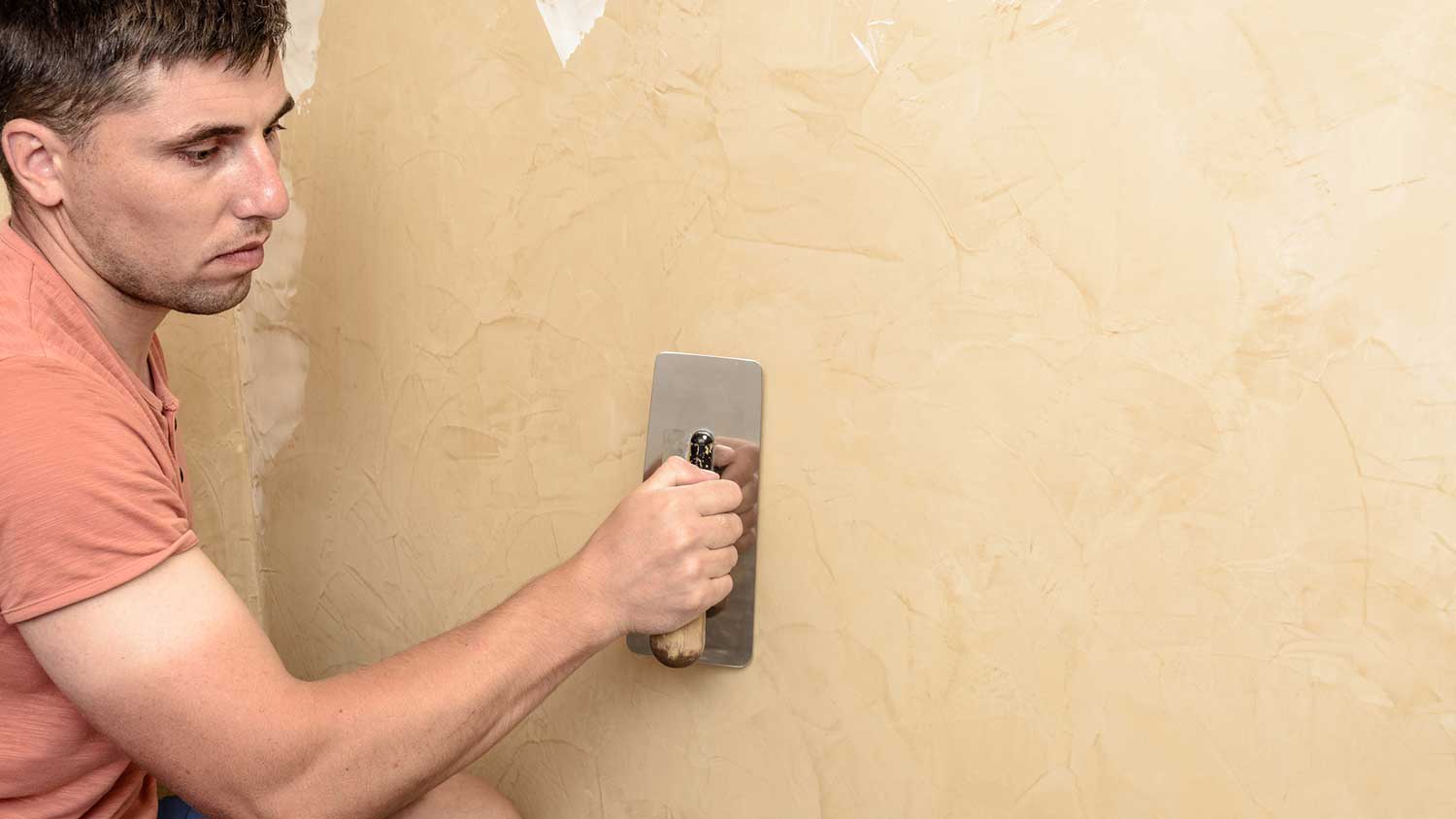
Some textures are easier than others to DIY, but the short answer is yes, you can absolutely texture walls yourself. You’ll need certain materials, like a trowel or paint sprayer, but the most important things you’ll need are patience and time. DIYing wall texture can save money and be a fun, messy project, but homeowners need to know that adding texture to a wall isn’t a quick project. 

The Overton, NV homeowners’ guide to drywall services

From average costs to expert advice, get all the answers you need to get your job done.