The life span of a painted concrete driveway can vary based on several factors. When properly prepared, primed, and painted with high-quality concrete paint, a well-maintained driveway can last 5 to 10 years or more. Other factors like climate conditions, traffic volume, and lack of maintenance also impact life span. Regular cleaning, resealing, and touch-ups can extend the longevity of a painted concrete driveway, ensuring it remains both functional and aesthetically pleasing.
Other garage floor concrete sealers besides epoxy include solvent-based acrylic and polyacrylic sealers, quick-drying polymer or polyurethane sealers, and scratch-resistant polyurea floor coatings that are ideal for exterior applications. These sealants come in basic clear forms and more decorative options, varying in price accordingly.
Outdoor kitchens get wet and are sometimes next to pools. To avoid accidents, go with a non-slip material like concrete, brick, or rubber. Avoid materials like ceramic and porcelain, as they are known to be quite slippery. Wood and composite flooring can be slippery if untreated, so make sure to stain or finish these materials.
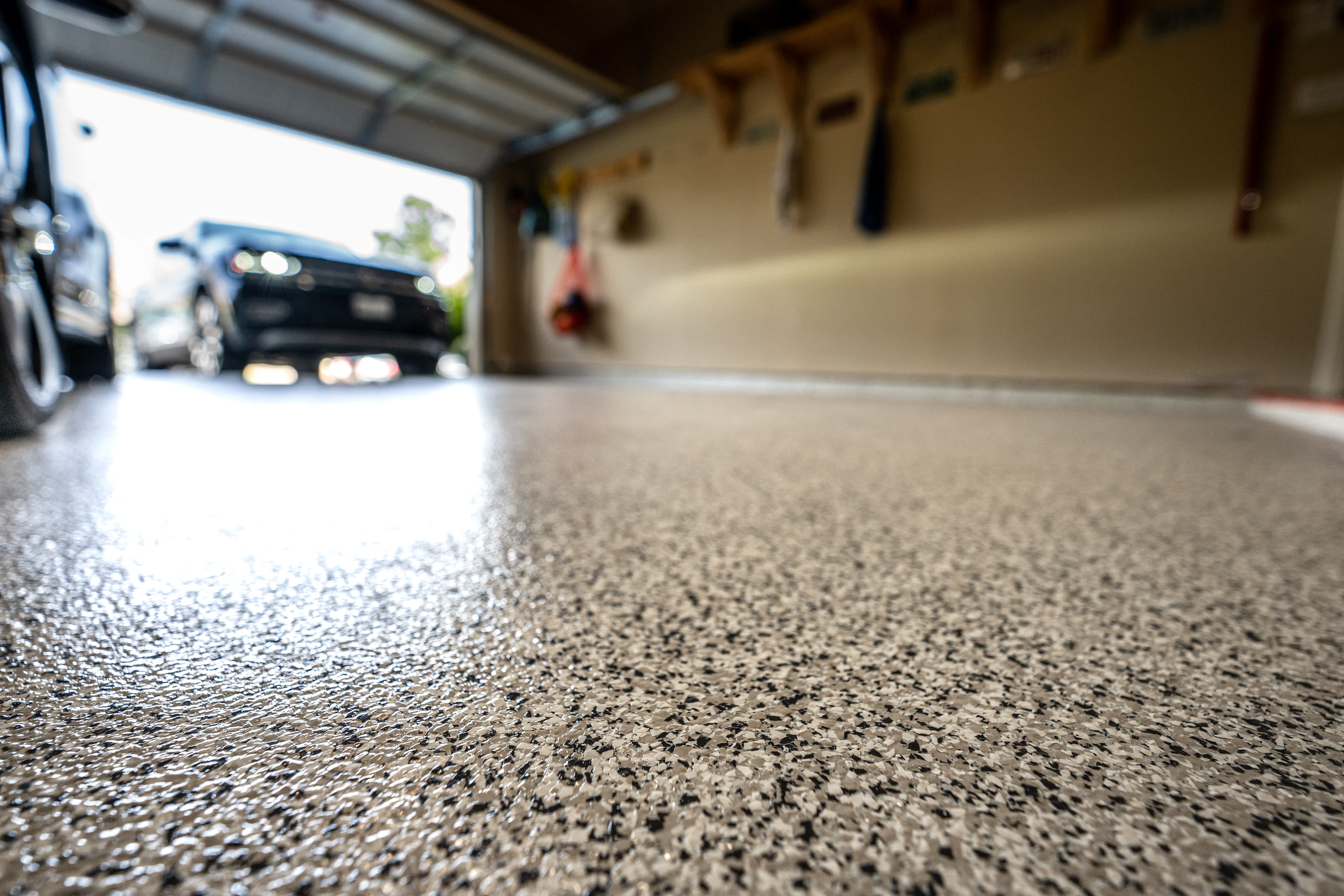
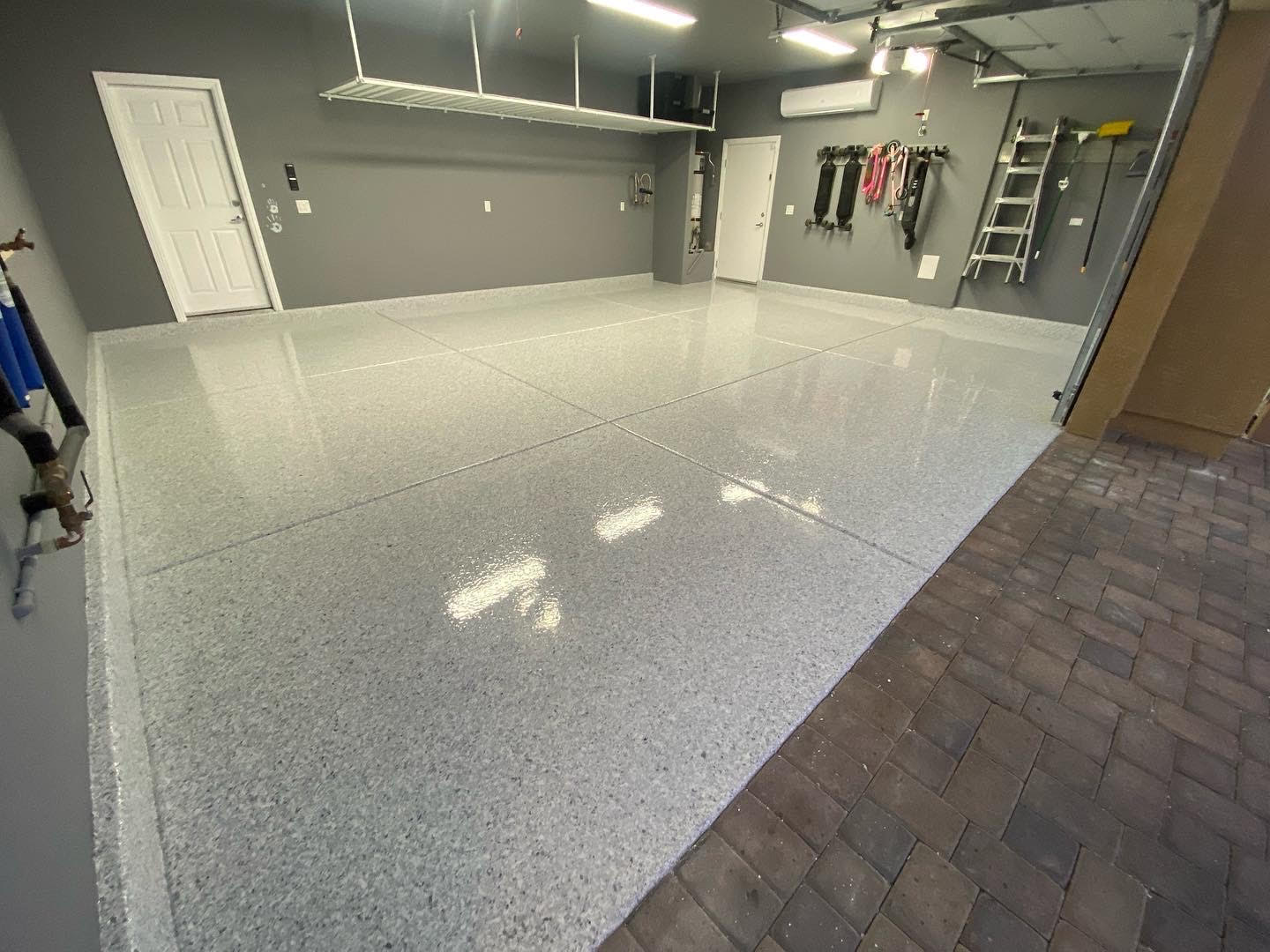
Resurfacing a garage floor takes about eight hours on average, with another couple hours over three days to do the epoxy. Epoxy goes on in three coats, with each coat taking 24 hours to dry and cure. You’ll need to keep foot and vehicle traffic off of your garage floor for around 4 days in total when replacing your garage floor, so be sure to plan ahead before you start. This is a great time to organize your garage since you’ll need to move everything out to apply the epoxy.
The lifespan of stained concrete can range from five years to a lifetime, depending on the type of stain used and how well it is maintained. Acid-based stains penetrate the concrete and can last 20 years or more, while water-based stains are less durable and may last around five years, especially on outdoor surfaces exposed to UV light and weather. To preserve the color and extend the life of the finish, stained concrete should be properly sealed and then resealed every three to five years. Factors like foot traffic, climate, and proper initial application also affect its longevity.
The Beowawe, NV homeowners’ guide to epoxy flooring services
From average costs to expert advice, get all the answers you need to get your job done.
This guide breaks down the cost of installing epoxy flooring in your garage, basement, or other space. Costs depend on resin type, floor size, and more.
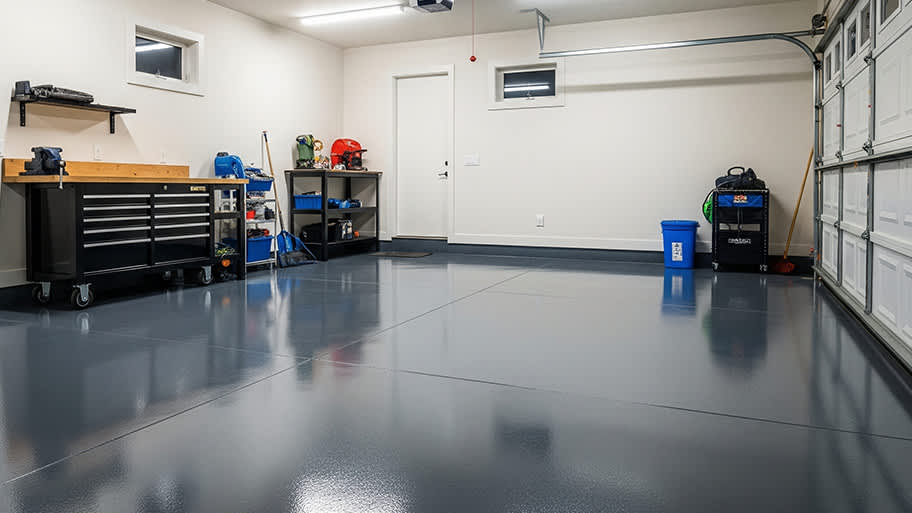
Epoxy flooring adds shine and durability to your basement, studio, or garage floor. Check out these epoxy flooring ideas to create the room of your dreams.