Doyle Handyman is your hometown hero for all your home maintenance needs! From fixing a latch, to planting your yard, to helping to build your new garage, we have seen it all and are ready to help with any project you have, Our unrivaled commitment to the area means that we are part of the community, so we strive to have the most competitive pricing, the fastest turn around, and the best customer service of any company in the area. Give Doyle Handymana call today and let us get to work for you!
ENA Construction is dedicated to providing our customers with the best quality and craftsmanship. We are here to build relationships with our customers and communities and to provide our employees with a great place to work. ENA Construction is a leader in providing our customers with the highest quality products and craftsmanship in an honest, efficient, and professional way. Our pledge is to create successful relationships with our customers, employees and community by building trust, treating every project with the utmost integrity and exceeding expectations. We look forward to working with you!
Im a hard working honest guy, making a living by helping community members protect their structures from the elements, and beautify their homes and businesses.
We at Jeffers Home Solutions focus on quality home improvements over quantity. We use our 20+ years of experience and expertise to complete your project with perfection. Customer service and honesty are the most important aspects of our business and your satisfaction is guaranteed. Please call us today for an estimate. We look forward to working with you.
I offer general handyman services specializing in home repairs, hardware installations, and fixture setups. I pride myself on clean work, attention to detail. and im located in elko and can go to surrounding areas.
We have 22 years of experience in the business. At Hometech Builders 3-D Designs, LLC, we pride our company on reliability, great communication, personal service, integrity, and quality work. Thank you.
We are committed to excellence in every aspect of our business. We uphold a standard of integrity bound by fairness, honesty and personal responsibility. Our distinction is the quality of service we bring to our customers. Accurate knowledge of our trade combined with ability is what makes us true professionals. Above all, we are watchful of our customers interests, and make their concerns the basis of our business.
\n
Give advise on all residential home repairs and service. We do residential home repairs . Dry Wall ,Plumbing, Painting, Tile, Carpet . Small Engine repairs. & etc
Graham Brothers is a locally owned and operated company that values honesty and integrity in all aspects of our business. Our dedicated team of professionals have over 40 years of hands on experience, to provide innovative ideas and suggestions tailored to your projects. Our services are customized to your individual needs, paying close attention to the details of each project that we are involved with. Please feel free to contact us today!
\n
Fire Pit Installation questions, answered by experts
Beyond having an inspection, it’s important to do chimney maintenance at least annually to be certain the chimney is safe to use. Cleaning the flue of any built-up particles, creosote, and soot reduces the risk of fire. Fortunately, the cost of hiring a pro to do a chimney inspection often includes a chimney cleaning, so you may not have an extra expense for maintenance.
Wood-burning fireplaces typically make homeowners insurance more expensive, simply because they increase the risk for a fire in your home. Gas and electric inserts are less likely to bring up your insurance rates, but you should always speak with your agent to understand how installing any type of fireplace will affect your premiums.
Wiring a light switch wrong can cause a fire if the incorrect wiring causes arcing, meaning the current jumps uncontrolled from one conductor to another. Loose wires or worn wires that are not repaired or replaced can cause arcing. If you’re not 100% sure you can do the job safely, don’t attempt to wire a light switch on your own.
While your forced heating system runs, it can pick up dirt, dust, hair, and other particles from inside your house. Changing your furnace filters regularly is key to preventing this debris from getting stuck in your ducts and swirling around your home. With some types of furnaces, there’s also the potential for carbon monoxide leaks. However, staying up-to-date with your HVAC inspections and installing carbon monoxide sensors can help mitigate this risk.
Yes, windows being painted shut is a fire hazard. Because windows painted shut may have locks that stick or cannot be opened easily in an emergency, this becomes an immediate fire hazard that should be dealt with.
The Beowawe, NV homeowners’ guide to fire pit installation services
From average costs to expert advice, get all the answers you need to get your job done.
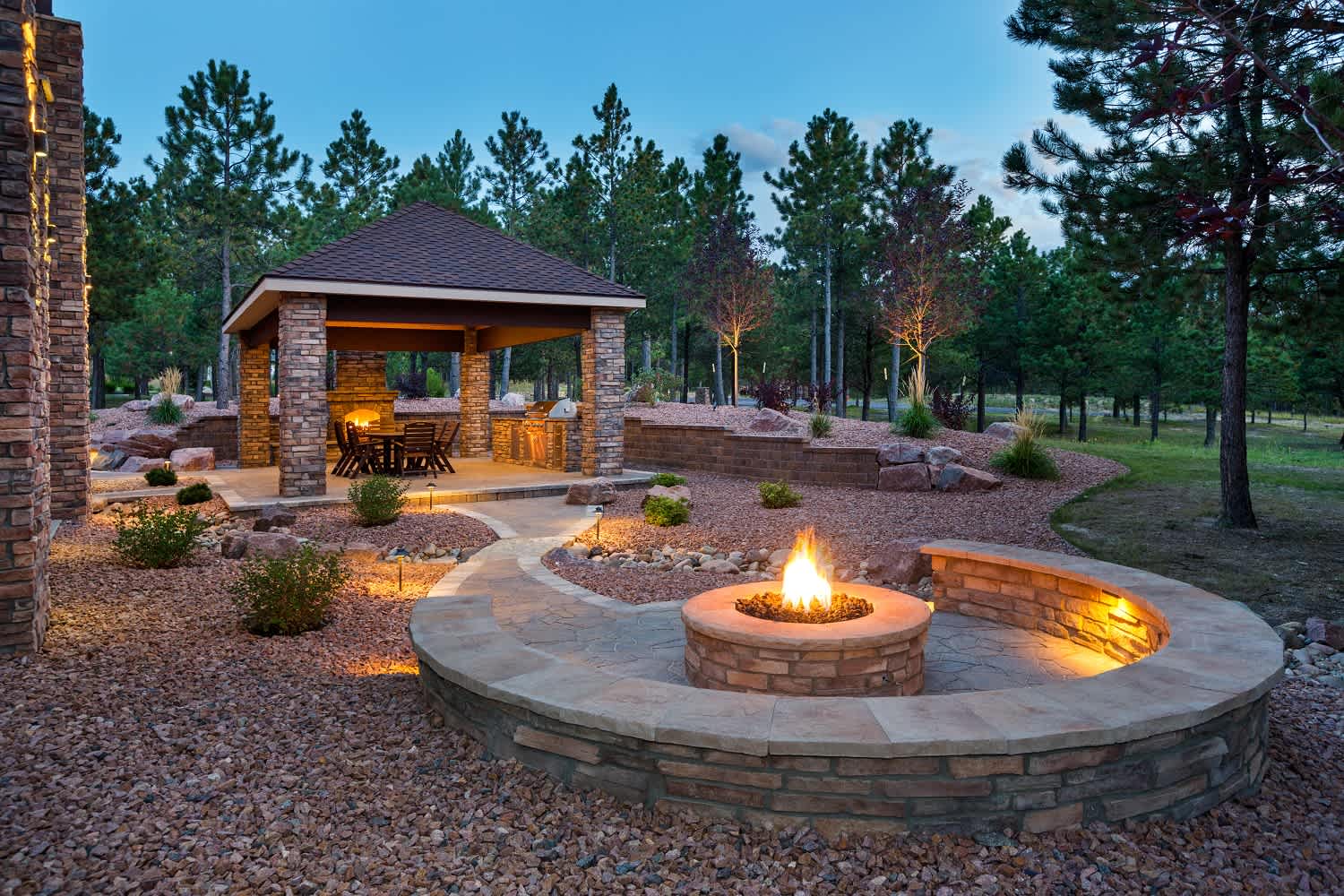
A fire pit installation costs $850 on average but can vary by size, fuel type, materials, and more. See how much you need to budget for a new fire pit.
Discover fire door cost data, including installation, materials, and tips to save. Learn what impacts fire door pricing and how to budget for your project.
Discover home fire sprinkler system costs, including installation, maintenance, and key cost factors. Learn how to budget and save on your home fire protection.
A fire pit adds attractive entertainment space to your backyard. Learn about standard fire pit dimensions and what factors contribute to fire pit size.
If you’re interested in buying a fire pit, you will likely be considering gas or wood. But what are the pros and cons of each? Find out if a gas or wood fire pit is right for you.