






Top-rated fence painters.

Get matched with top fence painters in Vanderwagen, NM

Enter your zip and get matched with up to 5 pros

Need a pro for your fence painting project in Vanderwagen, NM?

Select your specific project to find the pro for you.

Find Fence painters in Vanderwagen

No results for Fence painter in

Try adjusting your search criteria.
Fence Painting questions, answered by experts

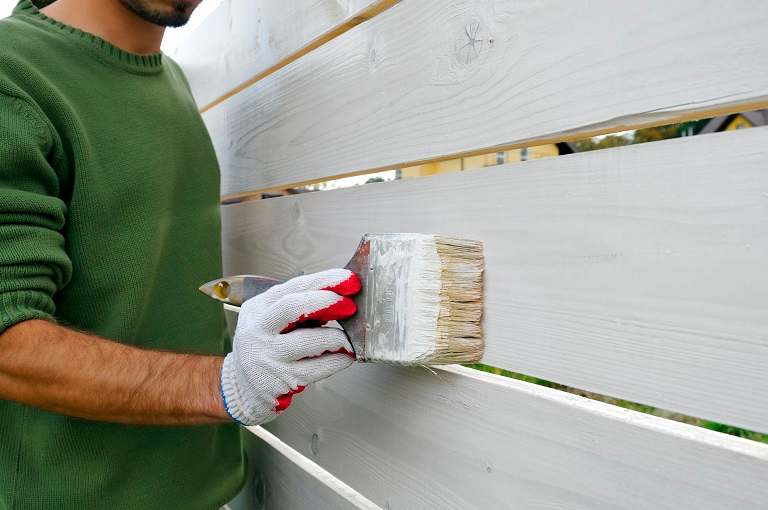
Your tool of choice ultimately comes down to personal preference. Many DIYers prefer applying stain with a lint-free rag, but others stick with a paint brush or a roller. Wipe the stain and work it into the wood, working with and against the grain. If you’re applying multiple coats, allow the stain to dry for around four hours between coats.

There are several ways to make a wooden fence more visually appealing and keep it that way for years to come.

  • Treat the fence with a wood sealant to protect it against the elements. It’s recommended to reseal a fence every two to three years, but if you live in a harsh climate, you may want to do it more frequently than that.

  • Restore the fence if it’s old, corroding, or fading. That includes cleaning it and making small repairs where needed.

  • Paint the fence in a color that you like, whether that’s a simple white or more vibrant option. Fences usually need to be repainted every one to three years.

  • Decorate the fence with planters, string lights, birdhouses, mirrors, shutters, and more.

If you paint a vinyl fence, it will likely stick to it for only a brief amount of time. This is because vinyl is not a porous material, so it's not an ideal surface for holding paint. Initially, paint will stick to your fence, but it will eventually peel off. Applying primer before painting your vinyl fence will help paint last longer. Certain primers are well-suited to vinyl, which means you can paint vinyl siding with the proper preparation.

Oxygen bleach uses hydrogen peroxide as a base and won’t harm wood when using it as a cleaner. On the other hand, chlorine bleach breaks down wood at the cellular level and causes irreversible harm. Although you may not see immediate damage to wood after exposing it to chlorine bleach, its strength and integrity are now compromised.

Staining or sealing a cedar deck or fence is highly recommended to extend its lifespan and protect it from the elements. While cedar is naturally resistant to mold and mildew, it is not impervious to damage from moisture, sun exposure, splintering, fading, and rot over time. Applying a protective finish creates a shield that preserves the wood's strength and appearance, potentially extending its life by five to 10 years.

When choosing a finish, it's helpful to understand the difference between a sealer and a stain. A sealer sits on top of the wood, whereas a combination stain and sealer soaks into the top layer. Because it penetrates the wood, a stain generally offers better protection against UV damage and rot and lasts significantly longer. For the best results that also preserve the wood's natural color, consider using a near-translucent stain.

To maintain protection, plan on reapplying the stain or sealer every two to three years, either as a DIY project or by hiring a professional.

The Vanderwagen, NM homeowners’ guide to fence painting services

From average costs to expert advice, get all the answers you need to get your job done.