Groundhogs have a strong aversion to powerful scents, including garlic, ammonia, vinegar, hot peppers like cayenne, and predator urine. Various herbs such as rosemary, lavender, basil, mint, sage, thyme, and oregano can also act as deterrents. You can strategically use these odors around your property by planting these crops near your garden and by the entrances to groundhog burrows. Commercially available repellents offer another option, and for best results, scent-based deterrents should be used alongside other preventive measures.
There’s little scientific evidence to suggest that homemade remedies to ward off wildlife are effective. But, often, when using them alongside other management techniques, it won’t do any harm to try. Suggestions include using urine-soaked kitty litter or sweat-soaked clothing items. Try applying them around your fence perimeters. Always read the instructions carefully for any commercially-bought repellents and opt for EPA-approved products. Multiple applications, especially after rain, are often necessary.
Luckily, skunks aren’t challenging to get rid of. You can try to remove them slowly by filling their den entryway loosely with newspaper. Many skunks notice their den is in jeopardy and take off on their own. You can also try making a homemade spray of jalapeno pepper, yellow onion, and cayenne pepper—believe it or not, skunks are sensitive to these smells, so if you spray this around the den or in hard-to-reach places around your property, most skunks will take the hint and leave.
Trapping should be a last resort for getting rid of armadillos from your yard. To reduce the chance of damage, try exclusion techniques, habitat modification, and removal of attractants. No repellents are proven effective against armadillos. Instead, consider fencing, sealing burrow holes, and clearing debris and overgrown shrubs that act as hiding spots. You should also remove easy-to-access food sources, such as fallen fruit.
It’s possible that skunks will leave on their own. Skunks may appear briefly on your property and move on if they cannot find food. However, waiting them out is not a foolproof solution. If the skunk finds a food source on or near your property and builds a nest, the animal will almost certainly not choose to move. If you can eliminate food sources, you’ll have a better chance of seeing the skunk leave on its own.
The Tularosa, NM homeowners’ guide to animal fencing services
From average costs to expert advice, get all the answers you need to get your job done.
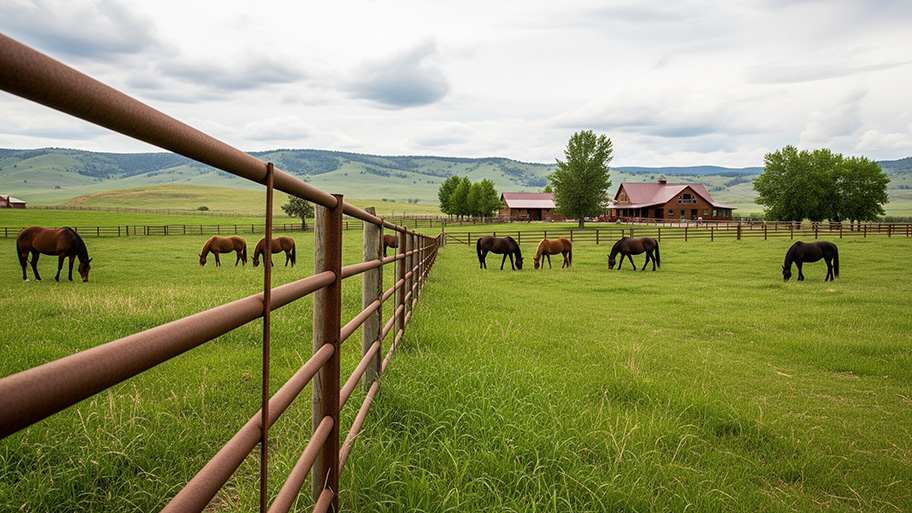
Pipe fencing is an extremely strong, durable option for containing horses and other livestock. This guide breaks down the factors that affect pipe fence cost.