"We are still in the budgeting phase and have not contacted yet however Scott Hughes of Groundwork’s was a great resource. He provided detailed information on the issues and how they would resolve them for us."
"I have heard good things about the company so I called them and I was very pleased on how they presented themselves and the product that they have. They are wonderful, I would definitely recommend the product that they used. They were very knowledgeable about what things should be done on your home, after much consideration I said we should do it. They were very professional, on time, they were here everyday with a smile on their faces, very courteous and cleaned up after themselves."
"the job was completed by 2 men but the fence & gate are not lined up straight; more of a zigzag & gate did not close properly so I had to have someone else redo the gate closure. They did not use a plumb line; just eyeballed it... Luckily it's in my backyard so not many people see it. At least they got the job done quickly right after I moved into my new home & needed a safe place to keep our dogs. "
"I only use James when I need some work done to my house. He responds fast, gets the work done quicker than just about anyone else I've ever used and seems very concerned with leaving his customers happy."
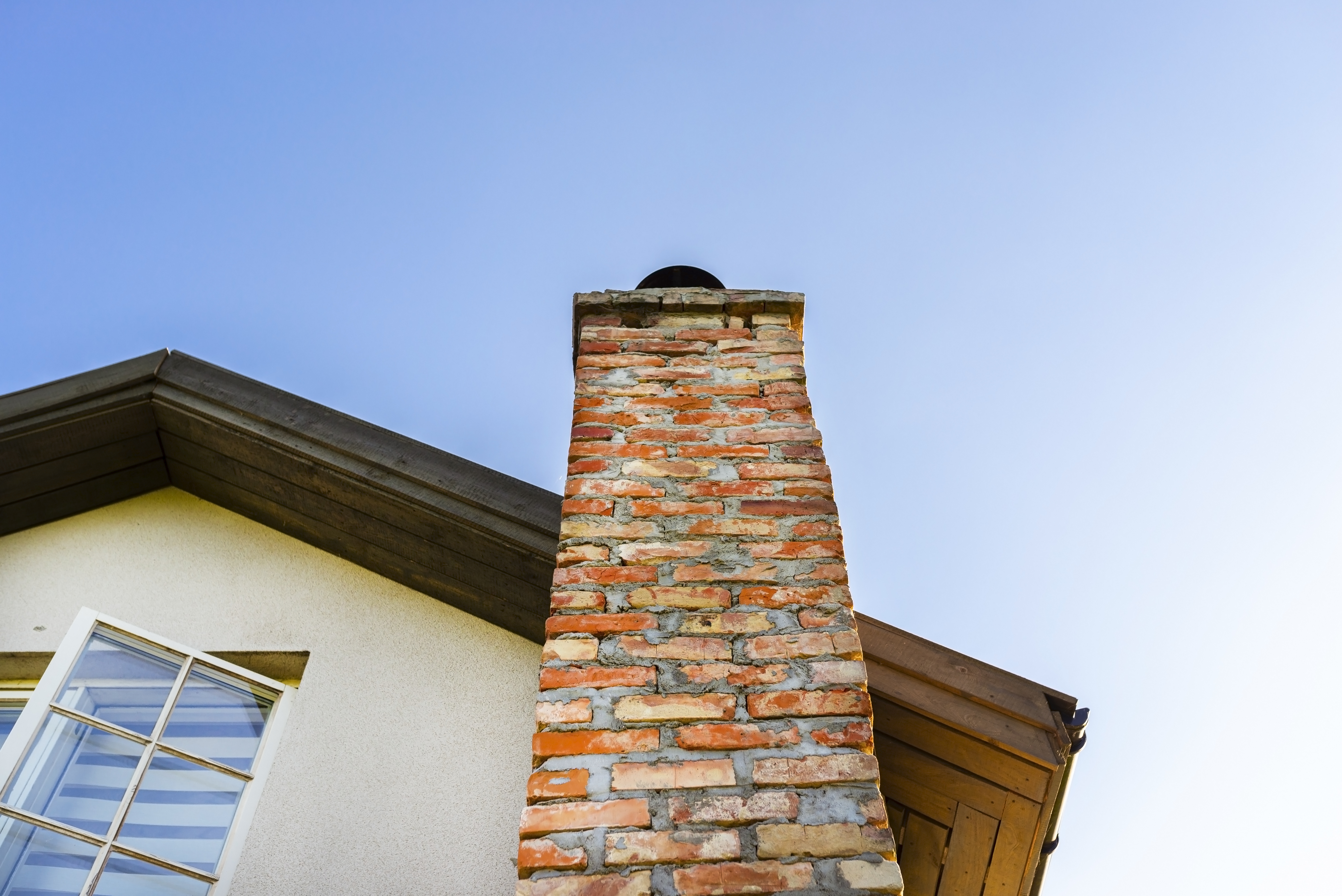
No, using a power sander on brick is not recommended because the force of the sander can destroy brick's fragile outer layer. Even using sandpaper on brick is discouraged because of the damage its abrasiveness can cause.
A chimney cleaning brick or log can help loosen creosote between professional chimney cleaning appointments. Although they can help keep your chimney cleaner, they are not a substitute for chimney sweeping and are not meant to be used regularly.
Painted exterior brick does not usually need sealing. Brick is a porous material, so you don’t want to apply a sealant that could trap moisture inside the bricks and cause erosion and structural damage. The risk of moisture-induced damage after sealing is higher in colder climates where trapped moisture can expand if it freezes. On the other hand, it makes sense to seal really old brick or kitchen backsplashes, where moisture from cooking can weaken the brick.
Yes, masonry is more expensive than concrete because the labor is much more involved. With masonry, your expert will build your project from the ground up, one piece at a time, ensuring they use the proper amount of mortar or grout during construction and keeping the project level or plumb. Pouring concrete can also be labor-intensive, but it’s a bit less involved. It requires building a mold, pouring the concrete, and letting it cure. The less intensive labor makes concrete a more affordable option in most cases.
Two types of masonry are veneer masonry and solid masonry. Veneer masonry is thin brick or stone material attached to the face of a building. With veneer masonry, the walls support the weight of the masonry products rather than the masonry being built on a concrete footing. Solid masonry is a wall or other brick or stone structure built on a concrete footing, and the masonry supports itself.
The Tatum, NM homeowners’ guide to masonry services
From average costs to expert advice, get all the answers you need to get your job done.
Door or window lintel replacement costs $400 on average, but there are ways you can save. On the other hand, complicated work will increase costs considerably.
This guide features information on the costs to repair a brick wall, whether or not you need a brick mason to complete spalling, tuckpointing, or a full restoration.
Need to repoint brick in your home to make your home look fresh and new? Use this guide to repointing brick cost to price out your project before starting.
Discover the wide variety of masonry materials for your next home upgrade project. Our guide covers the different types of materials to choose from and more.
When it comes to masonry versus concrete, it can be easy to confuse the two. Use this guide to learn about the differences in appearance, strength, and more.