



Matthew Friez sp
Lawn Care - Maintain and Mow a Lawn
Serving Shiprock, NM and surrounding areas
Approved
Free estimates
Emergency services offered
Warranties offered
"Does our lawn maintenance throughly, efficiently and competitively priced."

*The Angi rating for Plant Watering companies in Shiprock, NM is a rating based on verified reviews from our community of homeowners who have used these pros to meet their Plant Watering needs.
*The HomeAdvisor rating for Plant Watering companies in Shiprock, NM is a rating based on verified reviews from our community of homeowners who have used these pros to meet their Plant Watering needs.
Last update on January 10, 2024
Serving Shiprock, NM and surrounding areas
Approved
Free estimates
Emergency services offered
Warranties offered
"Does our lawn maintenance throughly, efficiently and competitively priced."
Serving Shiprock, NM and surrounding areas
In business since 2010
Free estimates
Emergency services offered
"It was okay. They were kind of messy. I had to do a lot of cleaning up after them. They were doing a lot of patching so they did a good job matching the existing texture and so on. I think there were 2 guys who came and they got to work and did the work."



+107
Serving Shiprock, NM and surrounding areas
In business since 2021
Small jobs welcome
Credit card accepted
"Very friendly and did a great job"

Serving Shiprock, NM and surrounding areas
In business since 2020
Free estimates
Credit card accepted
"Responded to request very quickly! Thanks for a great job done!"

+4

Serving Shiprock, NM and surrounding areas
In business since 2014
Free estimates
Small jobs welcome
"I loved how quick they responded to my questions and their attention to my requests."
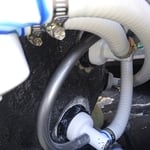
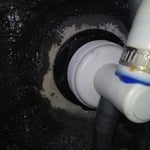

+7

Serving Shiprock, NM and surrounding areas
In business since 2023
Free estimates
Emergency services offered
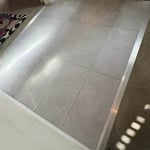
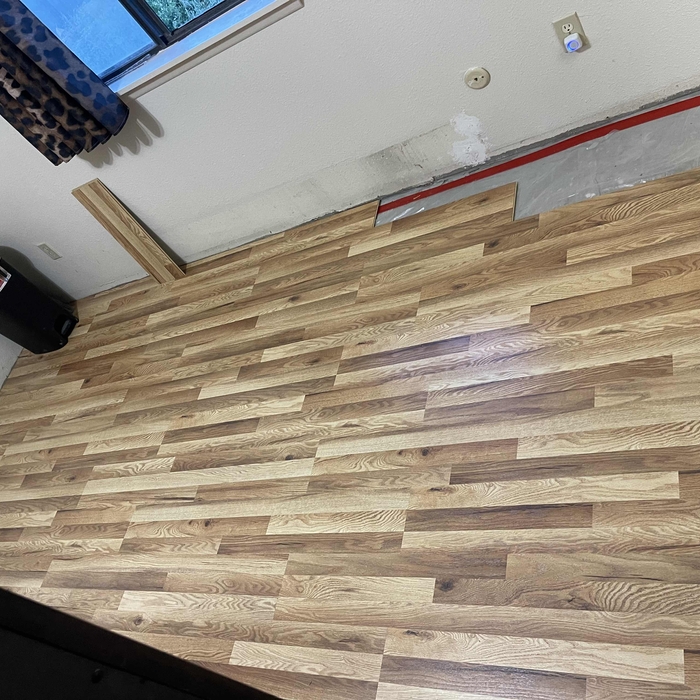
"Arickis has done many home repair and small building projects for me. He does a meticulous work with care for details. I appreciate his professionalism as well as his cheerful, friendly attitude. I have been more than satisfied with the jobs he has done for me and would highly recommend him!"
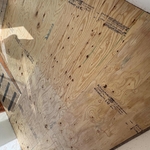
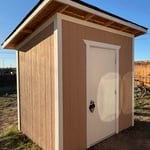

+5
Serving Shiprock, NM and surrounding areas
In business since 2015
Free estimates
We pride our company on reliability, great communication, integrity, and quality work. We are experts in our trade and will do our best to keep you as educated as we can on your particular task or project. We look forward to earning your business! Book with us online or feel free to give us a call today!
Serving Shiprock, NM and surrounding areas
In business since 1999
Free estimates
Credit card accepted
True Grid Landscaping is your full service maintenance company. We service all of your outdoor yard needs. With over 18 years experience, we can do it all.
Serving Shiprock, NM and surrounding areas
In business since 2018
Best Buds Lawn & Yard Care.llc is a family owned and operated company we started up our company after leaveing aztec nm for 7 yrs becomeing a professional auto detailer & fire fighter of 21/2 yrs retired i specialize in yard clean ups trash removal land scapeing gardening rock work and removal. As customers grow so will the buisness and the family thank you god bless and for your next job kneeds give ( Best Buds Lawn & Yard Maintenance.LLC a call we do offer special dills to special family with disabled children military vets cops & fire fighters

Serving Shiprock, NM and surrounding areas
In business since 2020
Free estimates
Emergency services offered
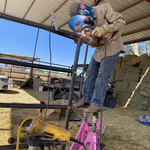
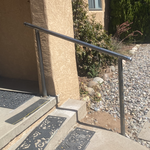
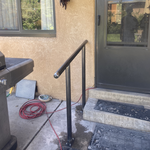
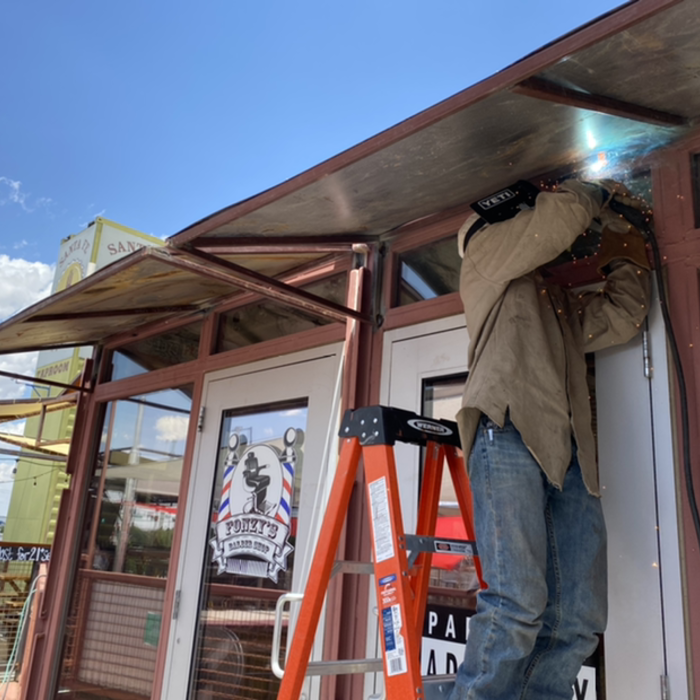
Mobile Welding Services: Gates, Hinges, Stairs, Handrails, Doors, Storage Tanks, Equipment, Farm Maintenance, Equipment Repairs, ETC... (available 24/365. Emergency Welding Repairs. Pipe Fences, Barns, Gates, sheds, carports available as well)\n\nCall us today for a free quote! \n

+34
From average costs to expert advice, get all the answers you need to get your job done.

Before you set off on vacation, you’ll want to make some preparations for your plants. Learn how to keep your plants alive when you’re out of town in this guide.

How often you water new landscaping can make or break a budding backyard oasis. Here are some tips to give thirsty new plants a chance to thrive.

Gardening is about far more than a beautiful yard. Our beginner's gardening guide can help you extend your love of plants to the backyard and beyond.

From a bountiful backyard veggie garden to a lush indoor plant room, you can start the container garden of your dreams. Here’s what you need to know.

If you want to save money and help the environment, there are many ways to conserve water outdoors. These tips can help you start.

Does talking, or singing, to plants help them grow? Does dish soap deter pests? Can banana peels help plants grow? What's up with coffee grounds as fertilizer?