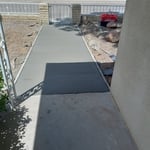
"The work was done in two days. I had a 260 square-foot porch paved. They did a nice job of fitting the bricks together. There was a little unevenness in some of the brick placement but overall that it was a good job."
We are committed to excellence in every aspect of our business. We uphold a standard of integrity bound by fairness, honesty and personal responsibility. Our distinction is the quality of service we bring to our customers. Accurate knowledge of our trade, combined with ability, is what makes us true professionals. Above all, we are watchful of our customers' interests and make their concerns the basis of our business
\n
\n
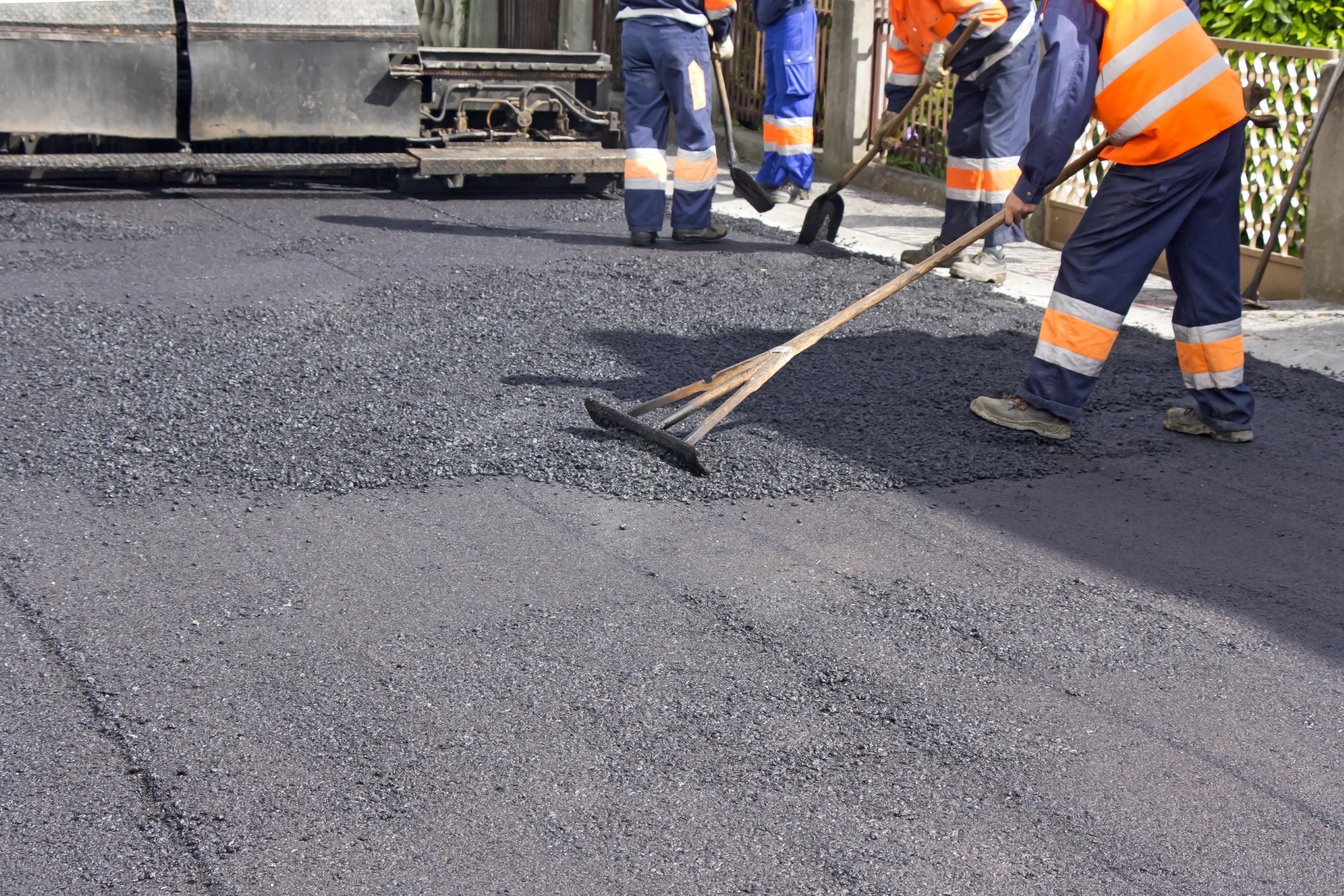
"I cannot say enough good about the effort put in by this company and the amazing positive result. These folks were working on a steep grade and to a man they worked strenuously to accomplish a beautiful result. I recommend "Mike and Martin's Asphalt Paving and Sealing" without reservation."
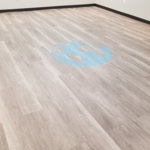
"The crew of Sam's flooring: Sergio, Luis, Benny, Jose, Carlos, and Diego did a fabulous job. There were a couple of snafu's but they were taken care of quickly and professionally. They were respectful of covid-19 practices, arrived on time everyday, cleaned up at the end of each day, and finish the job 3 days faster than expected. Beautiful job, professional craftsmanship, and excellent customer service and support. Thank you, gentlemen!"
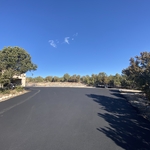
"great work completed on time and conscience during cleaning, filling cracks, spreading coating. excellent communication before, during and upon completion. excellent customer relations. took extra care to ensure proper cleaning and application. very, very, very satisfied"
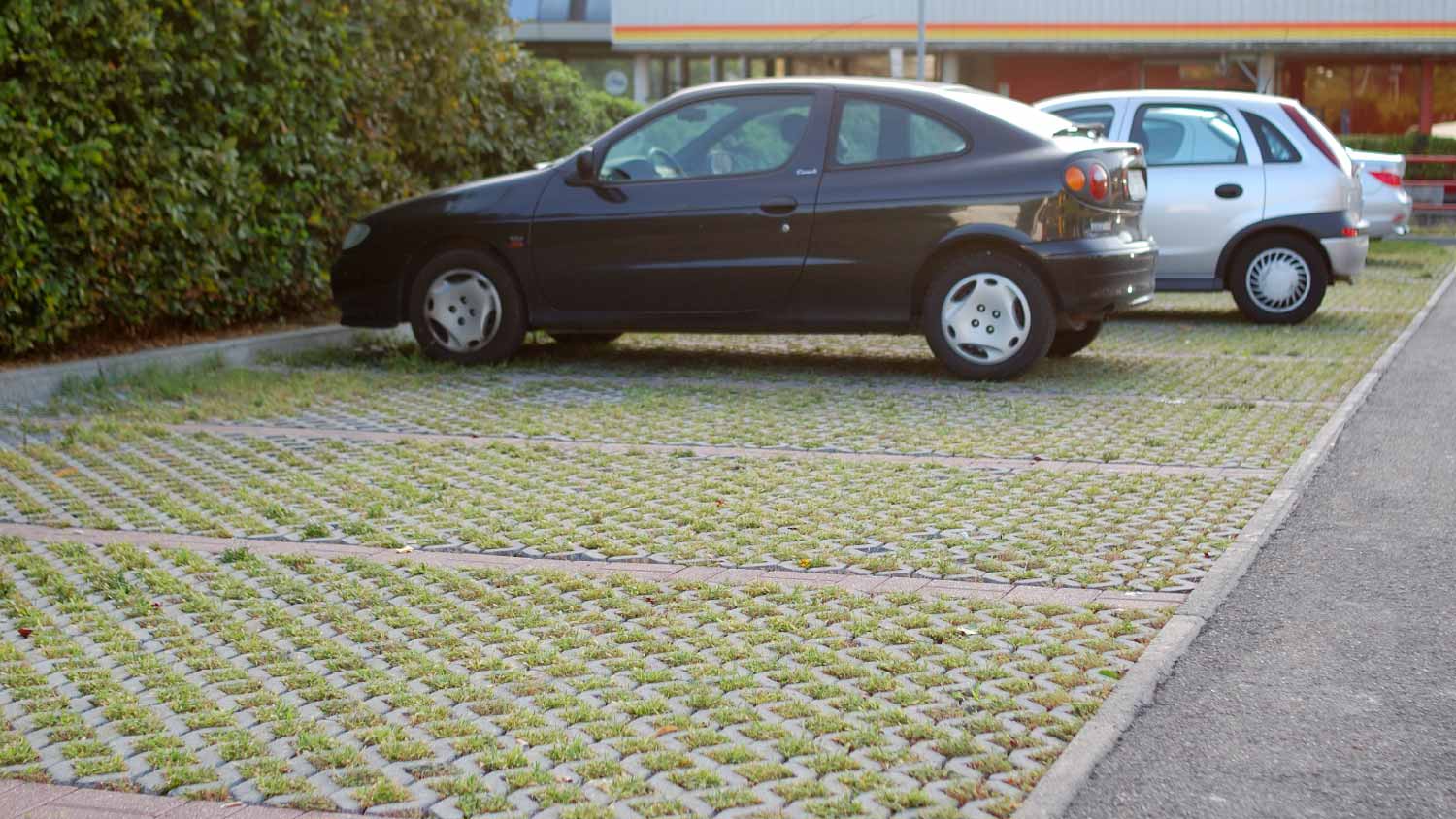
Paver driveways are durable and aesthetically pleasing, but they do have a few cons. For instance, paver driveways are often more expensive than asphalt and concrete driveways. They also make it easier for weeds to grow where the separate pavers meet up. They may also be more likely to settle over time.
There’s no single best asphalt grade—it all comes down to where and how it’s used. Highways and heavy-traffic roads need something tough, like polymer-modified asphalt (PMA) or Stone Matrix Asphalt (SMA). Local roads and parking lots rely on the Performance Graded (PG) system, chosen based on climate. A PG 64-28 mix, for example, handles a broad temperature range while simpler, more cost-effective mixes are typically enough for residential driveways. The best grade of asphalt depends on traffic, weather, and your budget, which is why a professional’s input is always a smart move before making a decision.
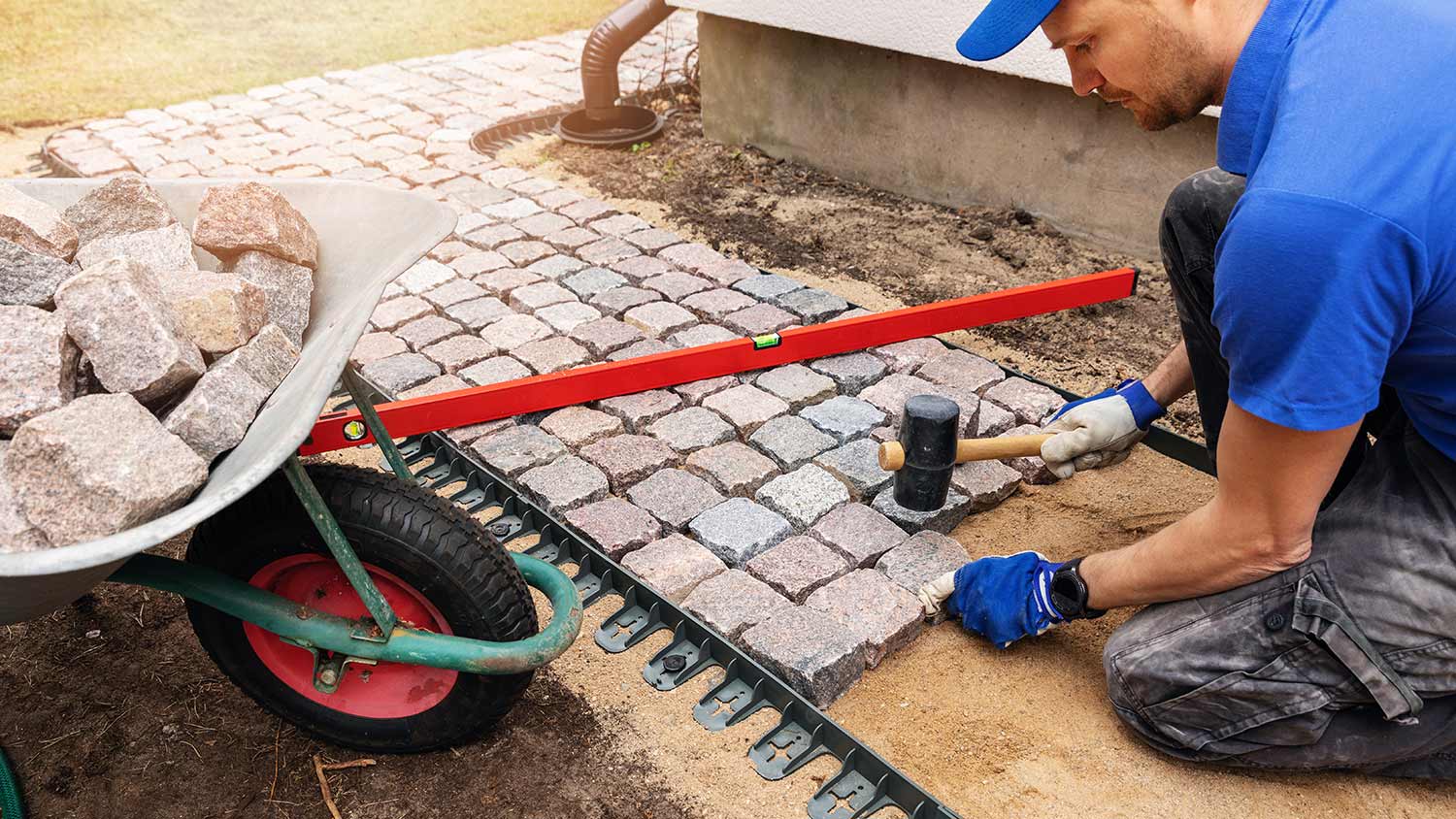
Whether you decide to DIY paver installation or want to hire a pro, it’s smart to understand the process. First, you’ll need to prepare the area by clearing away grass and dirt. Next, you’ll add the paver base of gravel and sand before laying the pavers on top. You may need to cut pavers to fit your space or the landscaping design and add edging stones.
The driveway apron is a technical term referring to where a private driveway meets the public street. If there is a sidewalk in front of the house, the driveway apron is typically on the opposite side of the public sidewalk from the driveway itself.
It takes recycled asphalt 48 hours to initially harden and up to 3 months to fully cure. It’s best to stay off of recycled asphalt for at least 48 hours, then you can walk or drive standard vehicles on it. Hold off on driving heavy trucks or equipment on it for at least 7 days. Allowing the surface to melt together and harden ensures that the surface stays durable and long-lasting.
The Paguate, NM homeowners’ guide to paving services
From average costs to expert advice, get all the answers you need to get your job done.
The cost of a tar and chip driveway falls between gravel and asphalt. Is this unique process the happy medium you've been looking for? Let's take a look.
Get proactive with marketing for your paving contractor business. Use these paving marketing ideas (ranked by budget and experience level) to grow your business, get more leads, and earn more money.