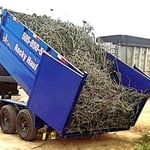
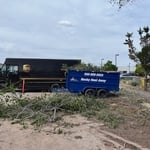
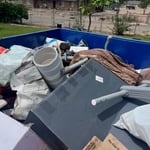
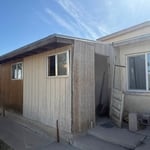
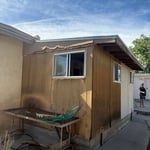
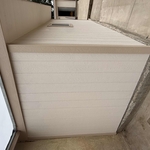
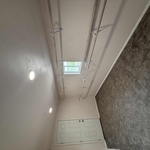
With over years of experience YAC Handy MN Solutions is your trusted choice for all of your contracting care needs. We take pride in our work and can assure your satisfaction with your project. Give us a call today for a free estimate!
Zia Projects is a locally owned company looking to to help customers with any construction need they may have or issues needing to get fixed immediately
Homestead Pools has been maintaining residential pools for over ten years. We take pride in doing the job right and always seek opportunities to exceed your expectations. If you are looking for quality, integrity, professionalism and fairness, Homestead Pools Services is the place to go. We look forward to serving you.
New business Built on hard work and rooted in NM. 🌄 We do Hauling | Landscaping | Land Clearing and more. We strive to be Efficient and effective and we'll definitely be what your looking for.📍 Albuquerque, NM 📲 505-304-2484
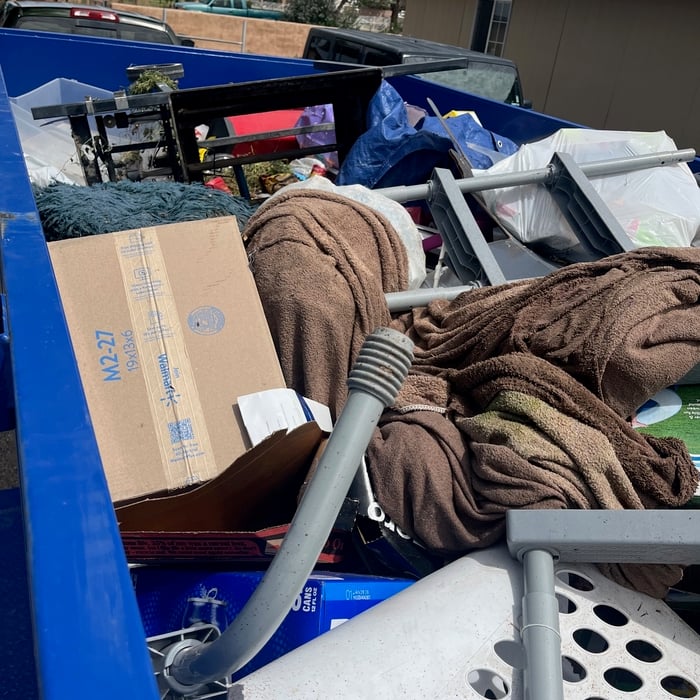
Zia Salvage and Waste Removal has proudly served New Mexico since early 2019, providing reliable, affordable, and professional junk removal services for homeowners, businesses, landlords, and contractors. As a locally owned company based in Albuquerque, we proudly serve customers within 65 miles in all directions, including surrounding communities across Central New Mexico. We specialize in furniture and appliance removal, property and eviction cleanouts, construction debris hauling, yard waste cleanup, garage cleanouts, hot tub removal, and light demolition services. Customers choose us over larger companies because we provide personalized local service, fast response times, fair upfront pricing, and dependable scheduling without hidden fees. We treat every property with care and work hard to make every cleanup simple and stress-free.\n
Hello, my name is John. I’m a hardworking and honest person who takes pride in the work I do. I’m highly motivated and committed to seeing every job through to completion. Above all, I’m most proud of being a husband and a father to two beautiful daughters. They are my biggest motivation to work hard and always do my best.
Professionals are trained in identifying hazardous materials and utilize industry-approved methods for safe handling and disposal. They adhere to regulatory frameworks to protect health and the environment, ensuring all materials are disposed of safely and responsibly.
You can paint over lead paint, or “encapsulate” it with a special paint that includes an ingredient called an encapsulant. The EPA approves encapsulation as a lead paint removal method as long as the paint remains undisturbed. Standard types of paint without an “encapsulant” from the big box stores or hardware stores do not meet EPA standards for remediation of lead-based paint.
The best disposal method for hazardous waste is recycling or donation, if possible. That way, the world can reduce its consumption of raw materials and the volume at which materials have to be treated and disposed of. If recycling or donation is not an option, most waste can be disposed of through landfills or incinerators, but their collection and treatment are separate from regular day-to-day waste disposal.
Lead removal can take a few days to several weeks, depending on the work needed, particularly if the lead is widespread and in hard-to-reach areas.
You should ask a few questions to ensure that your potential lead removal professional is experienced and qualified to handle lead-paint abatement safely, legally, and properly.
What are your qualifications and experience removing lead-based paint?
Are you licensed and certified to remove lead-based paint?
How do you test for lead paint?
What methods do you use for lead-based paint abatement?
What do you plan to do with the hazardous material when you remove it from the home?
Do you do replacement and painting work or removal only?
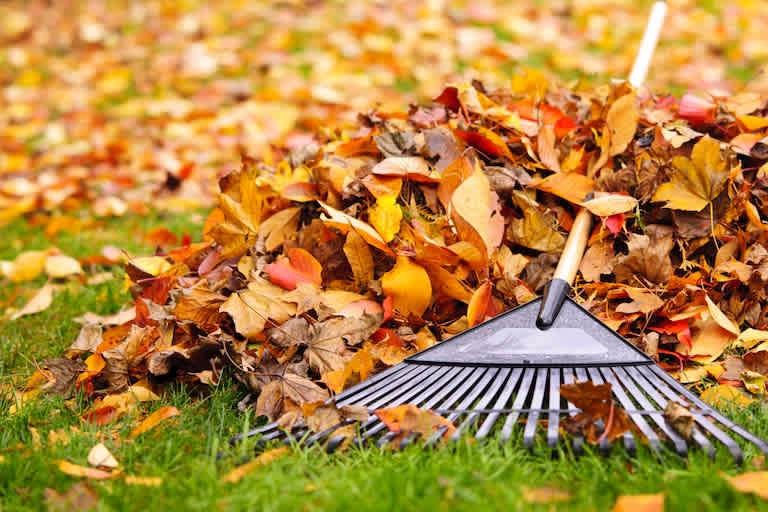
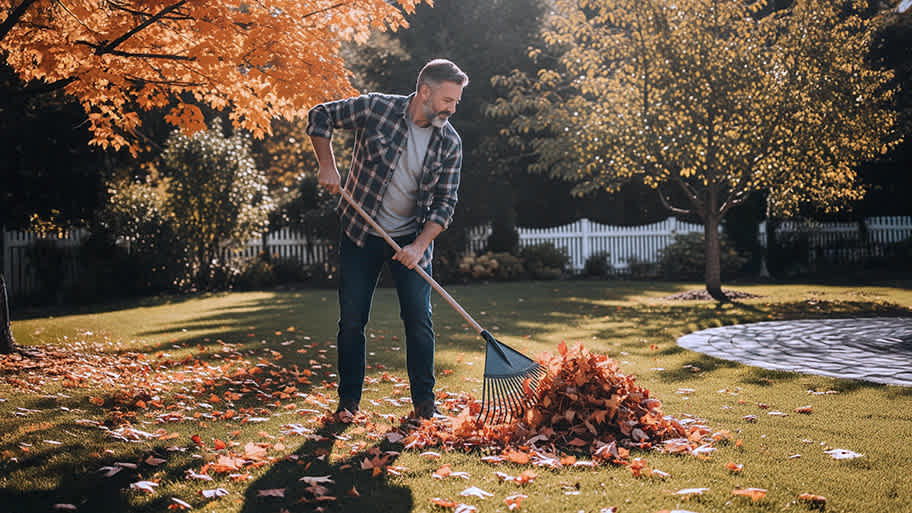
The Paguate, NM homeowners’ guide to leaf removal services
From average costs to expert advice, get all the answers you need to get your job done.