"I am pleased with the water softener. The owner explained the system and answered my questions. A miscommunication in scheduling installation was quickly changed to accommodate my schedule. Installation was speedy and they explained the best way to position the softener. A few questions that I had after installation were answered quickly. Thanks!"
Texas Water Filtration is a family owned and operated business that has been serving Texas and New Mexico for years. We specialize in water treatment and air quality treatment. From sales to service we have you covered. A few of the common problems we find in the area are hardness (white chalky build up), low Ph (blue green staining), iron (orange/brown stains), sulfur (rotten egg odor), nitrates, manganese (black slime). We strive to treat customers the way we would want to be treated. We are fair and honest with our advice and are respectful of your time. We are here to help so give us a call.
We pride our company on reliability, great communication, integrity, and quality plans/
\ndrawings. We strongly believe in giving our absolute best in all of our projects no matter how big or small. We are experts in our trade and will always keep you educated on your particular task or project. We look forward to earning your business!
The most accurate way to determine whether you have hard water is to purchase a water test kit from a hardware store or send a tap water sample to a lab. But there are some signs you can look out for without professional testing. For instance, if you're consistently dealing with mineral stains on your glassware, windows, and shower doors, you're likely to have hard water. Hard water can also make it harder to lather and rinse soap, so if you're struggling to work up a good lather in the shower, hard water might be the culprit.
A water softener is a worthwhile investment if you live in an area with hard water. While hard water is safe to drink, it contains minerals like calcium and magnesium that can cause significant problems over time. These minerals build up inside pipes, reducing water flow and eventually corroding the plumbing system, which can lead to leaks and a shortened lifespan. Hard water also damages fixtures and appliances, potentially resulting in costly repairs. Additionally, it makes soaps and detergents less effective, meaning you'll use more product to get things clean. By installing a water softener, you can prevent these issues. The initial investment is often recouped through long-term savings, including lower energy bills, reduced appliance and plumbing maintenance, and spending less on soap and cleaning supplies. Other benefits include cleaner linens, dishes, and clothing, as well as softer water that is gentler on your skin and hair. In some areas, a water softener can also increase your home's value, making it a valuable long-term investment.
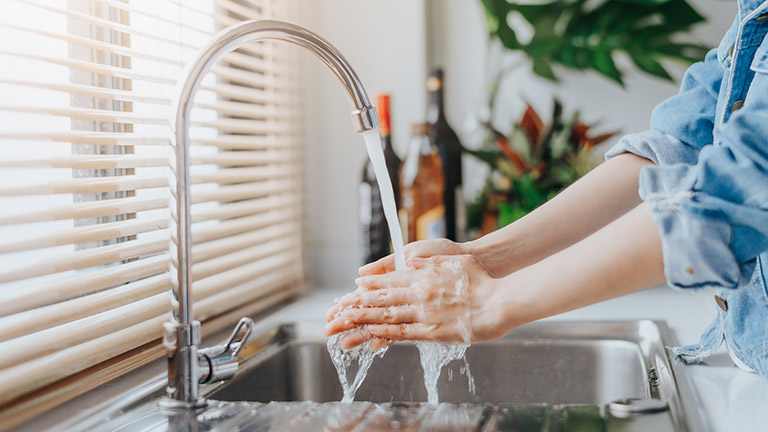
Hard water stains can be a headache because they will reoccur as long as hard water flows through. Thankfully, hard water stains are not permanent. With the right tools and an appropriate cleaning routine, you can prevent hard water stains from ever building up. However, you might feel like you are stuck in a constant cleaning cycle. In that case, you may consider hiring a contractor to perform routine cleaning.
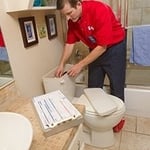
While it depends on how complicated the unit and installation is, it takes two to four hours to install a water softener unit, on average. It might take longer if pipes need to be replaced. You should make sure the installation area is clear of any objects that might get in the way before you begin.
Water softeners have many benefits. The most important one is converting previously hard water—water with too many minerals—to more usable, easier water. When we say easier water, we mean water that’s easier to digest, less harsh on skin and clothes, and builds up less in the water system. Softer water may lead to lower energy costs and will extend the lifespan of all appliances that use water.
The Navajo, NM homeowners’ guide to water softener services
From average costs to expert advice, get all the answers you need to get your job done.
Water softeners work to remove unwanted minerals from hard water through a filtration and recharge cycle. Keep reading to learn how a water softener works.
There are four common softener alternatives available on the market today. We compare and contrast each one to help you find your best-fit solution in this blog.
Water softeners rid your home of hard minerals and, well, soften your water. Even better, the regeneration process is an automatic cycle that works when you’re least likely to use it.
Water softeners remove hard minerals from your tap water, improving plumbing systems and water-using appliances. Here are the most efficient water softeners out there.