"We are still in the budgeting phase and have not contacted yet however Scott Hughes of Groundwork’s was a great resource. He provided detailed information on the issues and how they would resolve them for us."
"I only use James when I need some work done to my house. He responds fast, gets the work done quicker than just about anyone else I've ever used and seems very concerned with leaving his customers happy."
Can You Dig It LLC (CYDI) provides dependable junk removal, trash hauling, property cleanouts, and debris removal for residential and commercial customers. With over 13 years in business and our own trucks and equipment, we can handle everything from furniture, appliances, and household junk to yard debris, rental property cleanouts, construction debris, and larger cleanup projects.\n\nWe pride ourselves on showing up, working efficiently, treating your property with respect, and leaving the area clean when the job is finished. No job is too small, and we have the equipment and experience to tackle the bigger jobs too. Contact CYDI for fast, professional service and a straightforward quote.
Basement Waterproofing questions, answered by experts
Flooded basement cleanup can take anywhere from a few days to several weeks, depending on the extent of water damage, the type of water involved, and the need for repairs or mold remediation. Severe cases with structural damage or extensive mold may require longer timelines. Quick action and professional help can speed up the process and reduce overall damage.
Topical sealers adhere to the surface of concrete to create a protective layer. In many cases, this is all you need for concrete that sees light to moderate traffic, such as your basement. Penetrating sealers, on the other hand, bond with the free lime in the top layer of concrete to form calcium silicate, which prevents liquid from passing through. This type of sealer protects the surface from water, oil, and gasoline spills.
Yes, these services often increase home value by preventing moisture-related issues and enhancing the usable space in basements or crawlspaces.
The purpose of soffits is to circulate air, so a blocked soffit means the air in your attic becomes stagnant. This can lead to a number of problems, mostly moisture-related, that can cause damage to your health and your home. The good news is that unclogging soffits is relatively straightforward, and if your attic is easy to access, an easy DIY project.
The best basement waterproofing method depends on the specific issue causing the water intrusion. For minor problems, simple solutions like installing a properly functioning gutter system to direct runoff away and grading the soil to slope away from your foundation can be effective.
If you have more significant water problems, the solution will need to be more robust:
For standing water on the basement floor, a floor drain or a sump pump system may be the best solution.
For water pooling around the foundation, installing an exterior French drain can intercept water before it reaches the basement walls.
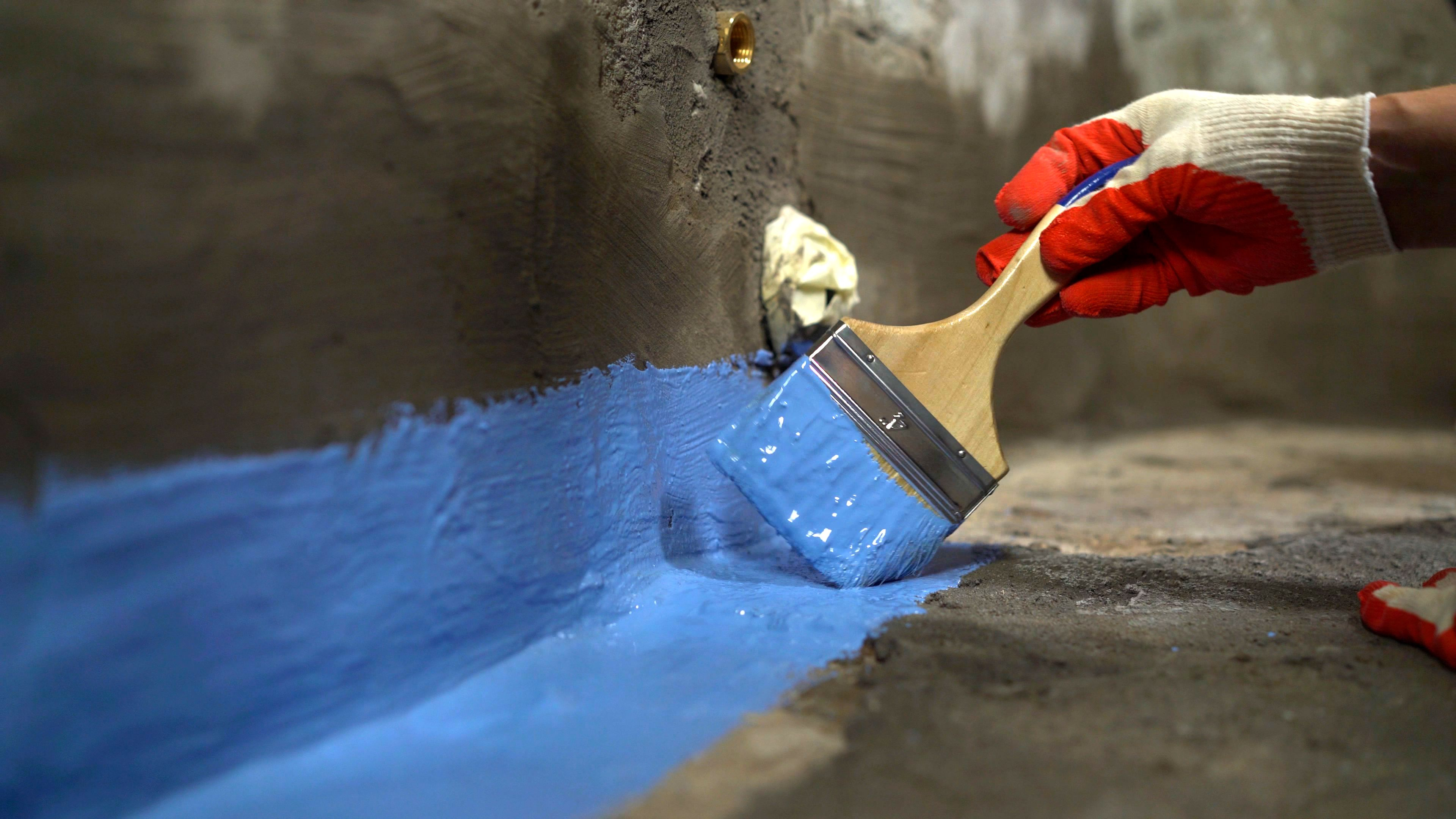
Other effective waterproofing methods, which can be used depending on your home's specific needs, climate, and soil type, include sealing the interior walls, landscape alteration, installing interior drainage systems, and using a dehumidification system to control moisture levels.
The Jal, NM homeowners’ guide to basement waterproofing services
From average costs to expert advice, get all the answers you need to get your job done.
Need to fix basement water problems or safeguard your home from damage in the future? Use this basement waterproofing cost guide to budget appropriately.
An unfinished basement has a lot of potential for a family room or guest suite. So how much does it cost to finish a basement? Read on for all cost factors.
Dealing with a damp basement? Follow these steps for DIY basement waterproofing to keep water and moisture out and boost your home’s energy efficiency.
Can’t seem to get rid of the moisture and mold in your basement? Learn why basements tend to hold moisture and how to get rid of moisture in the basement.