"We are still in the budgeting phase and have not contacted yet however Scott Hughes of Groundwork’s was a great resource. He provided detailed information on the issues and how they would resolve them for us."
"I only use James when I need some work done to my house. He responds fast, gets the work done quicker than just about anyone else I've ever used and seems very concerned with leaving his customers happy."
Can You Dig It LLC (CYDI) provides dependable junk removal, trash hauling, property cleanouts, and debris removal for residential and commercial customers. With over 13 years in business and our own trucks and equipment, we can handle everything from furniture, appliances, and household junk to yard debris, rental property cleanouts, construction debris, and larger cleanup projects.\n\nWe pride ourselves on showing up, working efficiently, treating your property with respect, and leaving the area clean when the job is finished. No job is too small, and we have the equipment and experience to tackle the bigger jobs too. Contact CYDI for fast, professional service and a straightforward quote.
Basement Waterproofing questions, answered by experts
No, everything doesn’t get wet if the bathroom is well-designed and the fixtures are properly installed. It’s important that the floor of a wet room drains correctly, and proper waterproofing and slip-resistant flooring are used to avoid creating slipping hazards. Since the shower isn’t housed in an enclosed space, you’ll need to make sure the towel rack and toilet paper holder are placed in areas where they won’t get wet.
French drains and yard grading systems are two highly effective ways to fix standing water around the foundation. Since the French drain uses a perforated pipe covered by gravel, you won’t have to worry about water taking the soil away from your foundation. Meanwhile, yard grading levels out the ground to prevent water from gathering around your foundation.
You should always hire a structural engineer or a professional and licensed foundation repair company for crawl space repair. These professionals will often be able to treat the symptoms of the issue as well as the underlying problem so that you don’t have ongoing damage. They’ll also often take preventative measures to stop the issue from recurring in the future.
Several factors can impact the cost of waterproofing your basement.
Some of the most common cost factors include:
Location
Square footage
Cause of the water leak
Type of foundation
Accessibility
Waterproofing method
Materials
Contractor experience and availability
Engineering reports, if needed
Structural and other repairs
Permits
Mold and other fungi love moisture, so the best way to prevent mold growth after water damage is to remove as much moisture as possible. First, find the source of the water or moisture, such as a leak or clogged gutters, and correct the problem. Next, remove standing water, vacuum up puddles with a shop vacuum, and run blower fans and dehumidifiers for 24 to 72 hours. Once you've removed all traces of moisture, disinfect the area using either vinegar or bleach to kill any remaining mold spores.
The Lake Arthur, NM homeowners’ guide to basement waterproofing services
From average costs to expert advice, get all the answers you need to get your job done.
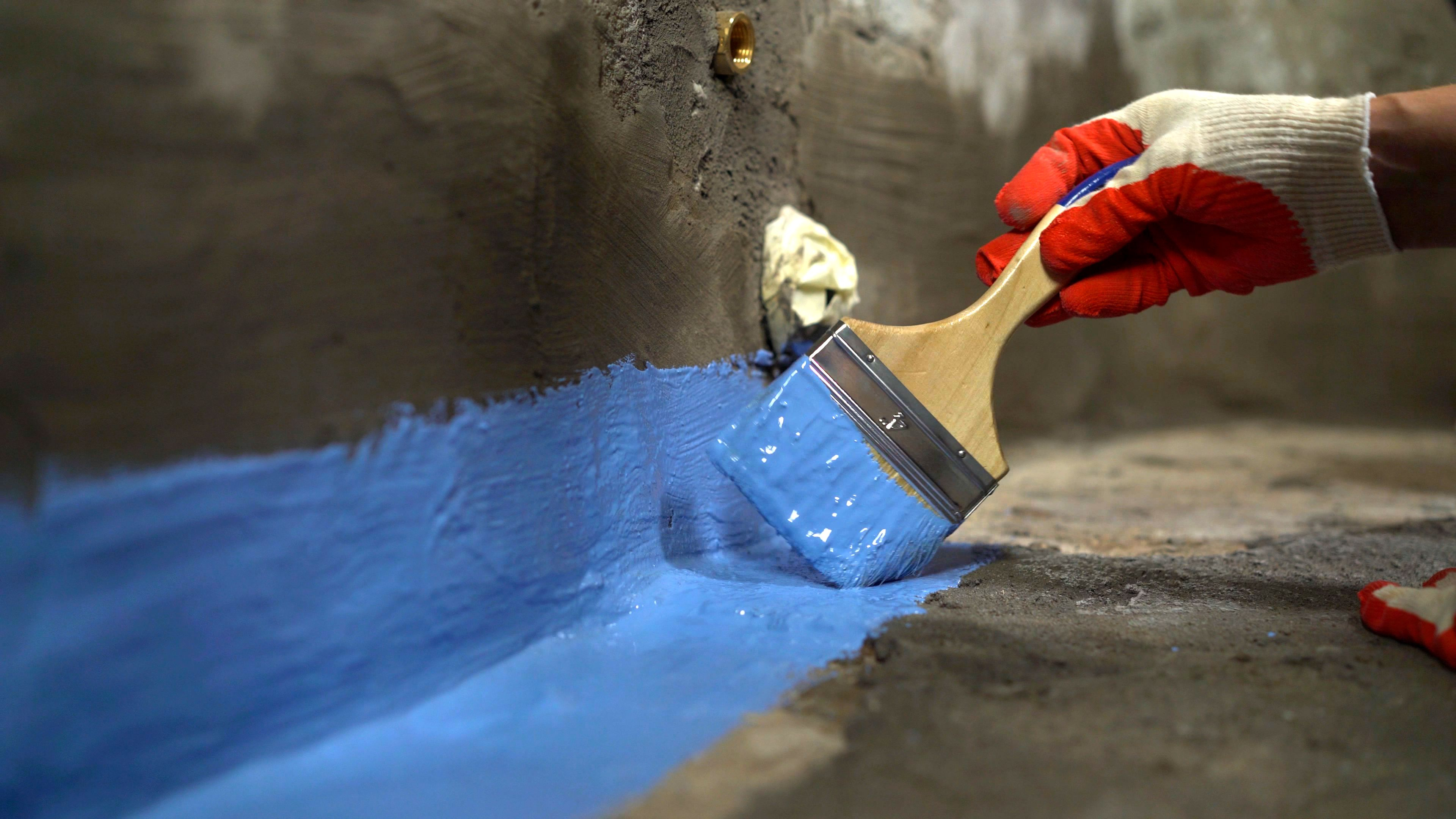
Need to fix basement water problems or safeguard your home from damage in the future? Use this basement waterproofing cost guide to budget appropriately.
An unfinished basement has a lot of potential for a family room or guest suite. So how much does it cost to finish a basement? Read on for all cost factors.
A variety of factors can affect your total crawl space encapsulation cost. Here’s a breakdown of the cost of this project, whether you hire a pro or DIY.
Waterproofing your basement is important to protect your home. Follow these tips to ensure that you hire the right waterproofing contractor for the job.
Dealing with a damp basement? Follow these steps for DIY basement waterproofing to keep water and moisture out and boost your home’s energy efficiency.