Your septic tank naturally contains the good bacteria it needs, so you typically don't have to add more as the system produces them on its own. However, if you wish to replenish the bacteria, you can use natural methods. For example, you can add three rotten tomatoes to your garbage disposal or flush 1/4 ounce of active yeast down the toilet every three months. While store-bought septic enzymes and chemicals are available, many additives are unnecessary and may even harm your system. The most effective way to maintain a healthy bacterial balance is to avoid using chemical drain cleaners, which can kill the beneficial bacteria in your tank.
You could be smelling sewer gas in your kitchen because of a dry P-trap, clogged vent pipe, or leaking plumbing seals. If you smell a rotten egg odor, check your sink’s P-trap and plumbing connections first. A clogged or damaged vent pipe can trap sewer gas and push it back into your kitchen through the plumbing pipes. Loose or deteriorated seals around drainpipes can also allow sewer gas to leak out. If you can’t find the source, call a local plumber for expert help.
There are a few signs that indicate a failing drain field. For instance, if your septic tank starts requiring more pumping than normal, your drain field might be failing. Other signs to watch for include poor drainage after rain, standing water or sewage over the septic system, a strong septic smell outside, new and healthy grass growing over the drain field, and plumbing backups in your sinks, bathtubs, or toilets.
Cesspools do not have an outlet or discharge area, so they must be emptied regularly. A professional cesspool cleaning company should come at least every six weeks and empty the contents. If it’s not emptied, it can begin to overflow sewage waste onto your property.
Whether or not it’s hard to pass a perc test depends a lot on the composition of your soil. When a perc test is conducted where there’s a high concentration of sand in the soil, perc tests almost always pass. However, if your ground is dense clay or rock, it may prove difficult to pass a perc test. A low water table also helps you pass the test, as a high table means your yard isn’t draining water as efficiently.
The Fort Sumner, NM homeowners’ guide to aquarium services
From average costs to expert advice, get all the answers you need to get your job done.
Discover mosquito control service cost estimates, including average prices, key cost factors, and tips to save on professional mosquito treatments for your home.
If you’re moving, you need to consider distance, weight, packing, and more. Our guide provides the average cost to move a 3-bedroom house long distance.
If you live in an area without very cold winters but tempted to close your pool during the cooler months, read on. We dive into the many benefits of winter service.
Learn about home items that are nearly impossible to move without movers, either because they are awkwardly shaped, too heavy, or require special equipment.
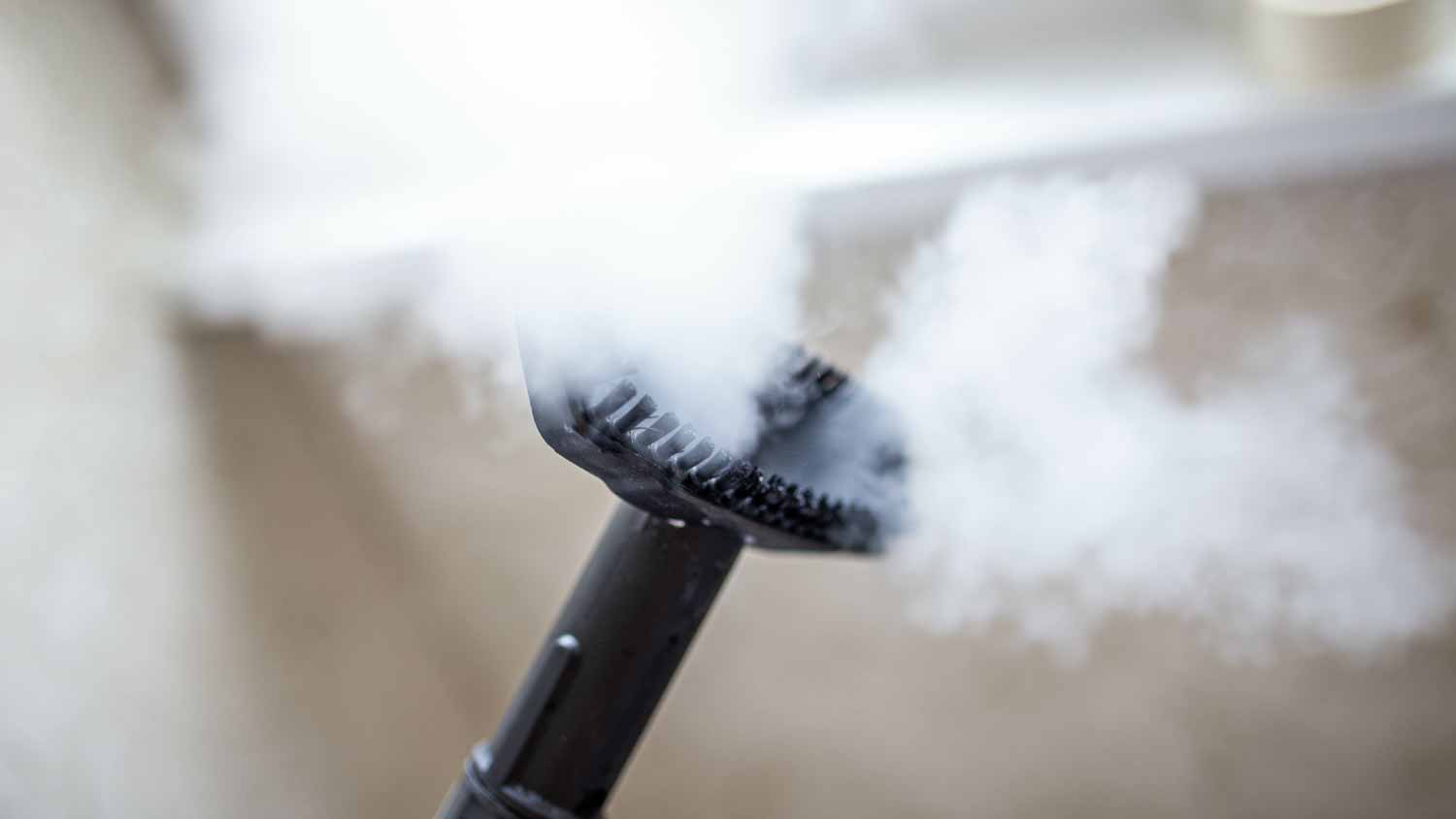
Steam cleaning makes your floors feel spotless without harsh chemicals. However, certain areas benefit from steam more than others. Here’s what you can clean with a steam cleaner.