


Top-rated dishwasher installation pros.

Get matched with top dishwasher installation pros in East Pecos, NM

Enter your zip and get matched with up to 5 pros

Need a pro for your dishwasher installation project in East Pecos, NM?

Select your specific project to find the pro for you.

Find Dishwasher installation pros in East Pecos

No results for Dishwasher installation pro in

Try adjusting your search criteria.
Dishwasher Installation questions, answered by experts

Local plumbing codes and manufacturer recommendations typically dictate the minimum distance between a sink and a dishwasher. This is generally 18 to 24 inches, providing enough room for easy loading and unloading of dishes without hindering the sink's function. Maintaining this separation not only adds convenience but also reduces the chances of water damage and optimizes plumbing connections.

The frequency for cleaning your dishwasher filter depends on your usage habits. If you run the dishwasher daily and don't scrape or rinse dishes before loading, you should clean the filter about once a month. For those who use it only once or twice a week and rinse items beforehand, cleaning it every three to six months may be sufficient. A clear sign that your filter needs cleaning is a musty smell, even after a wash cycle. Regularly cleaning the filter is important to prevent food buildup and clogging over time. It can be helpful to add this maintenance task to your calendar to stay on schedule.

The cost to repair a dishwasher is $200 on average, with the typical price ranging from $160 to $300. However, if you need a more specialized repair, that total could reach $600. The main cost factor is the price of the replacement part, but the dishwasher’s make, model, and year can also impact the price. 

For a simple repair, such as a filter replacement, you can comfortably budget to spend between $50 to $100. But for something more complex like a repair on the dishwasher’s motor, you might see a bill totaling $400 to $600.

You should avoid using a pressure washer on any surface or item that could be damaged by the high-pressure spray, as some materials are too delicate to withstand the force.

Key items and surfaces to avoid include:

  • Electrical Components: Never pressure wash electrical systems, as water can cause short-circuits and create a safety hazard. This includes utility meters, breaker boxes, electrical outlets, generators, and HVAC or air conditioner units.

  • Delicate and Fragile Materials: Fragile items can crack, shatter, or be stripped by the pressure. Avoid pressure washing windows, glass, light fixtures, shingled roofs (especially asphalt), and stucco.

  • Painted, Stained, or Sealed Surfaces: Unless your goal is to strip the finish, do not pressure wash painted surfaces, stained wood (like decks), or anything with a protective seal that could be stripped away. Be especially cautious with older surfaces that may contain lead paint.

  • Soft Woods and Certain Decking: Delicate surfaces like softwood, composite decking, and antique or wooden patio furniture can be etched or damaged. If you must wash wood, use a lower-powered pressure washer with a wide-angle nozzle to prevent damage.

  • Living Things: Never use a pressure washer on people, pets, or plants. The force can cause serious injury and will destroy landscaping.

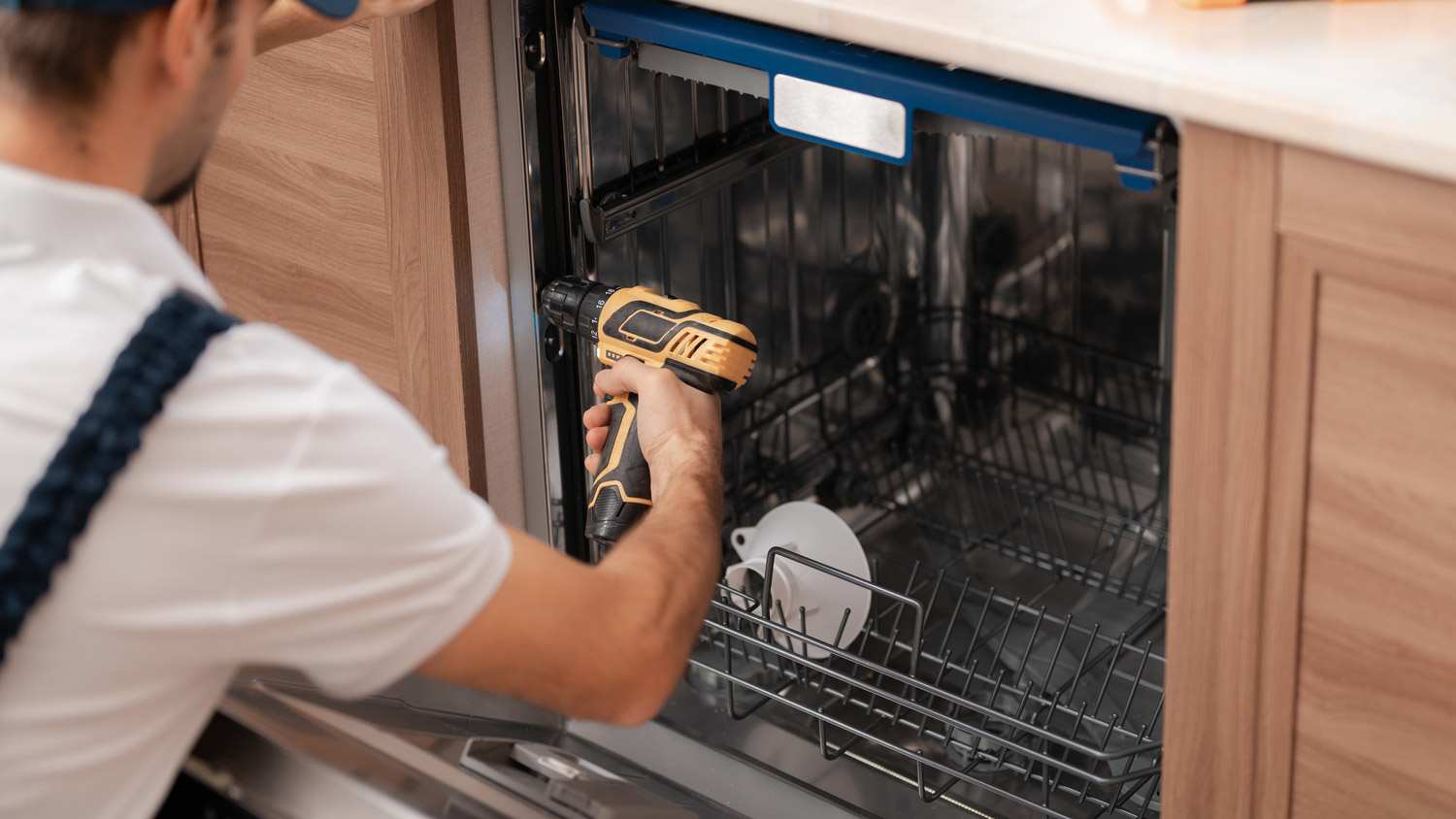
Professional services ensure correct installation, verify water-tight seals, and safely address plumbing and electrical connections in dishwashers.

The East Pecos, NM homeowners’ guide to dishwasher installation services

From average costs to expert advice, get all the answers you need to get your job done.