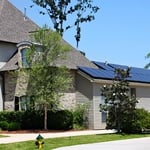
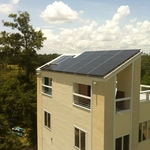
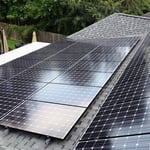
"Rep. checked entire system. He found several wires not connected properly and fixed this. He also made recommendations regarding the attachment of the panels to the rood that would provide more stability and leakproofing. The representative appeared to know what he was doing - much better than others, including the representative who was engaged by the roofer (who replaced our rood due to hail damage) to disconnect/connect the panels."
Energy Efficiency Auditing questions, answered by experts
While many states require all new construction to undergo blower door tests, it’s not a requirement for existing homes. But in both cases, a blower test helps confirm that the contractor has sealed the exterior, that the type of ductwork installed is functioning properly, and that your home is as efficient as possible.
Home power is measured in kilowatt-hours, commonly expressed as kWh. The average home uses between 800 and 1,000 kWh per month. Peak usage (and highest bills) occurs in the middle of summer and the depths of winter. Keeping on top of your usage during these crucial months will lower your annual average usage considerably.
After you receive your audit and report, review the findings and determine which of the prescribed changes you want to make to improve your home’s energy efficiency. Start by contacting the type of professionals recommended by the auditor who can help you remedy the issues discovered during the audit. Prioritize the projects by urgency, importance, and budget. Then, gather estimates from several professionals, remembering to verify any necessary licensing and experience information.
There is no blanket figure for a residential home’s electrical load, since load varies by the size of the home, how many appliances are used, and the efficiency of their electrical systems. Typically, however, it’s safe to assume 40 to 60 amps is the average electrical load of a residential home.
Homeowners can often access federal tax credits, such as the Investment Tax Credit (ITC), which covers a percentage of installation costs. Many states and utilities offer additional rebates, grants, or performance-based incentives. These programs can significantly lower your upfront investment. Check the Database of State Incentives for Renewables and Efficiency (DSIRE) or contact your local energy office for current offers.
The Crownpoint, NM homeowners’ guide to energy efficiency auditing services
From average costs to expert advice, get all the answers you need to get your job done.
Discover the average home energy audit cost, what impacts pricing, and how to save money on your audit. Get transparent, expert-backed cost info for homeowners.
Thinking about scheduling a home energy audit? Learn how to improve energy efficiency, lower your utility bills, and hire the right local pro for the job.