"We are still in the budgeting phase and have not contacted yet however Scott Hughes of Groundwork’s was a great resource. He provided detailed information on the issues and how they would resolve them for us."
"I only use James when I need some work done to my house. He responds fast, gets the work done quicker than just about anyone else I've ever used and seems very concerned with leaving his customers happy."
Foxworth-Galbraith is a client-focused company that strives to ensure the highest level of customer satisfaction. To conduct business honestly and with integrity. We strive for excellence in all ventures and dedicate ourselves to professional and corporate development.
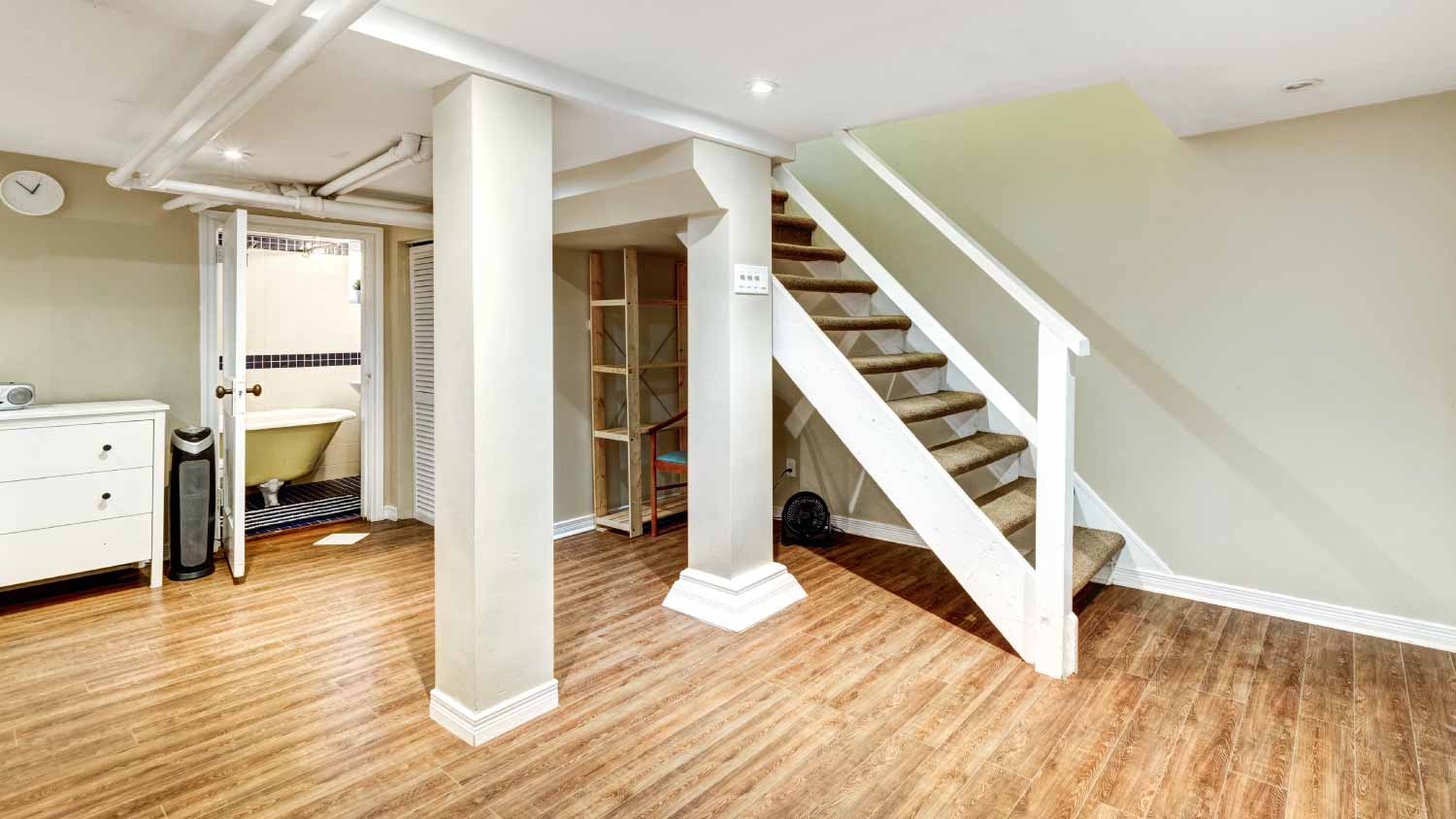
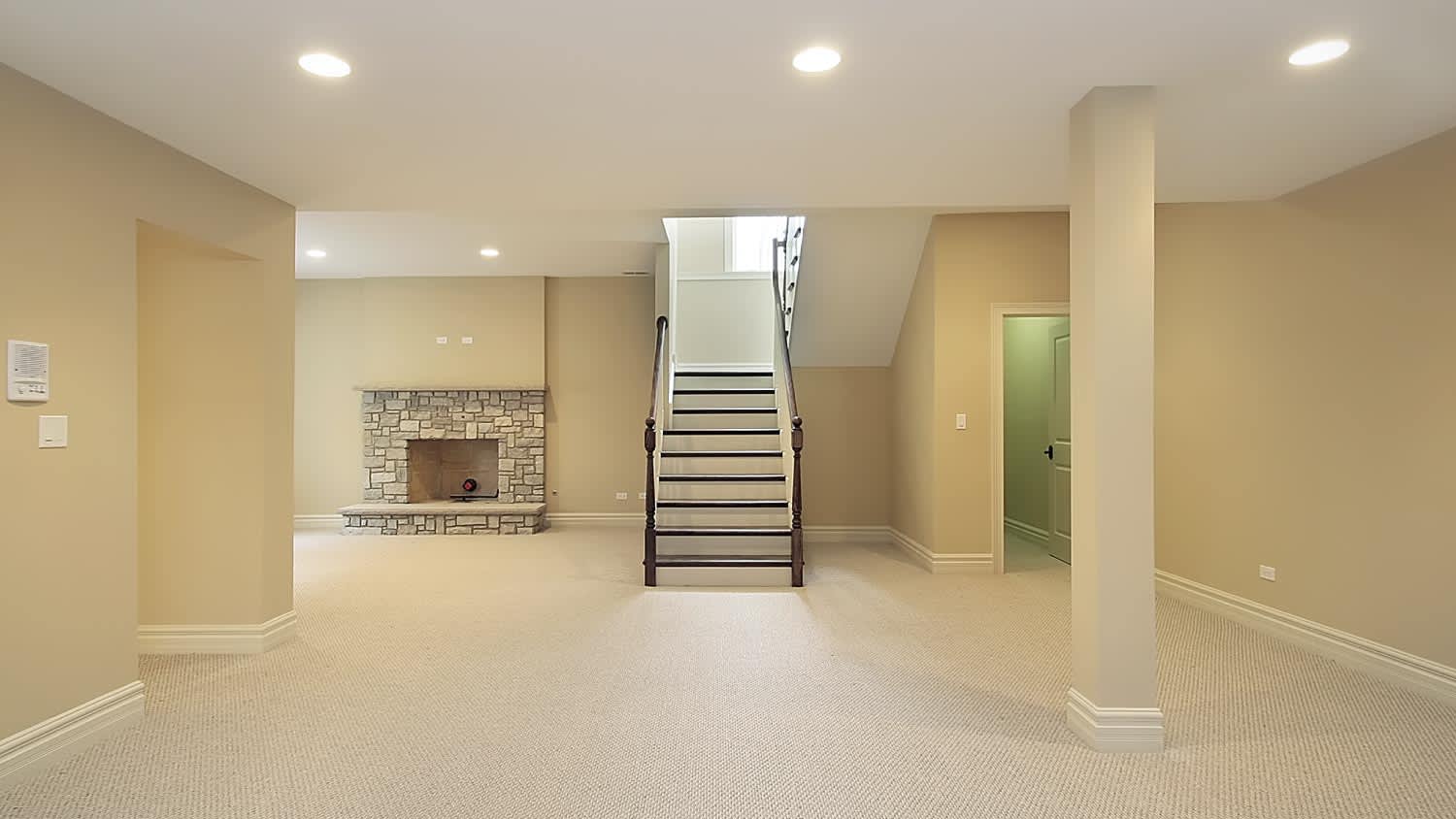
Physically, the most challenging part of finishing a basement is installing egress windows or doors when the space is below ground level. Mentally, the hardest part may be envisioning the project and planning around load-bearing and mechanical obstacles.
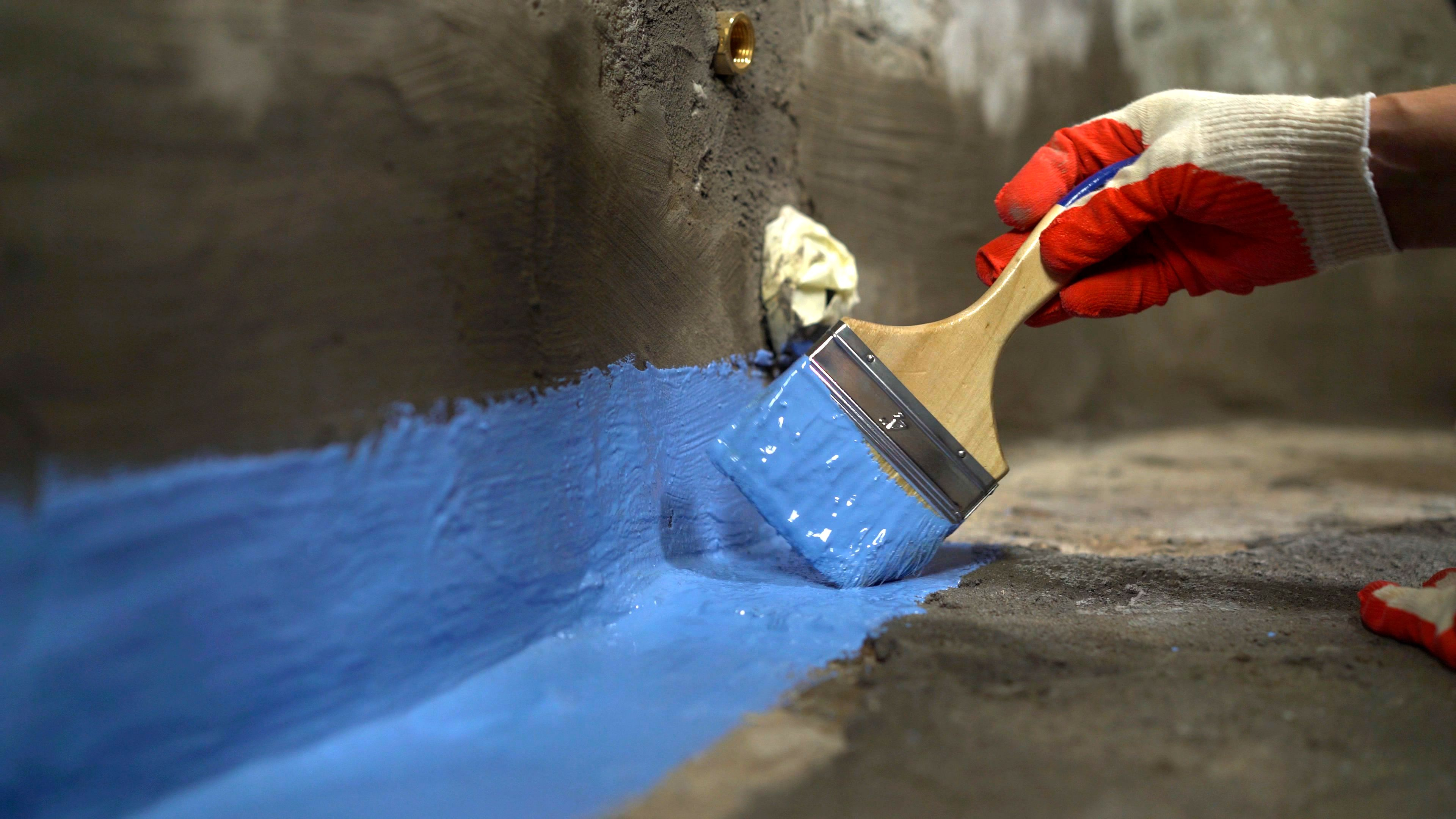
Yes, you can finish a basement that leaks, as long as you address the leak first. Before finishing a basement, you’ll need to repair any cracks in the walls and waterproof the basement to prevent future leaks. It’s much harder to clean up a water leak from a finished basement than an unfinished one, so preemptively addressing any leaking areas prevents expensive repairs in the future.
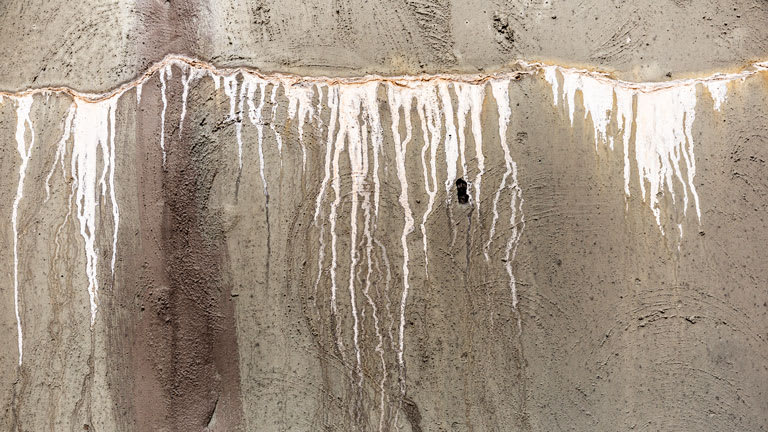
Due to the nature of basements, some level of waterproofing is necessary to prevent water from seeping in and causing damage. Some definitive signs that your basement needs waterproofing measures or needs existing waterproofing measures need to be updated include:
Water in your basement, including damp walls or puddles on the floor
Mold spots in your basement
Musty smells or odors
Warped doors or walls
Cracks in walls
Insect issues, such as cockroaches and termites
While both a channel drain and a French drain serve a similar purpose, a French drain is designed to prevent groundwater from causing flooding issues. This type of drain system goes underneath the soil and is completely surrounded by soil and rock. A channel drain, also called a trench drain, removes surface water before it ever enters the ground—hence the concrete and above-ground installation method.
In some cases, operating a snake can damage your drain and pipes. This depends on the overall condition of your pipes and how gently you operate the auger. For instance, older galvanized pipes covered in zinc are susceptible to scratches when using a drain snake. Additionally, it’s common for newbies to apply too much force when extending the snake, leading to scratches and related damage. You can also crack the porcelain with an electric auger if you’re snaking a toilet drain. If you’re using a manual snake or auger, the risk is minimal.
The Columbus, NM homeowners’ guide to basement leak repair services
From average costs to expert advice, get all the answers you need to get your job done.
Plumbing leaks are never fun, but they’re worse when they happen inside your foundation. Use this guide to slab leak repair costs to learn what to expect.
Pipe leak repair costs depend on the location and severity of the leak, as well as the type of pipe being replaced. Use our guide to price out repair work.
A basement offers additional living or storage space, but if it leaks, it can become a significant headache. Learn how to fix a leaky basement and prevent water damage.
Can’t seem to get rid of the moisture and mold in your basement? Learn why basements tend to hold moisture and how to get rid of moisture in the basement.