


Top-rated radon detection and reduction specialists.

Best radon detection and reduction specialists near Salem, NJ

Enter your zip and get matched with up to 5 pros

Need a pro for your radon detection and reduction project in Salem, NJ?

Select your specific project to find the pro for you.

Top-Rated Radon detection and reduction specialists in Salem - Updated Nov 2026

Avatar for Insulation Geniuses
Insulation Geniuses
4.6(
9
)
Radon Gas - Testing

Serving Salem, NJ and surrounding areas

In business since 2016

Free estimates

Emergency services offered

"It was a pleasure to work with this company. Everyone was very efficient and professional. All aspects of the job were clearly stated, and all questions answered. You need them for your next job!!"
Another Happy Homeowner!
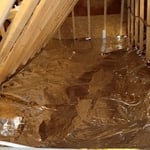
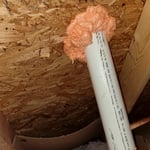
Aeroshield NASA Grade Insulation
Energy Star Attic Seal Process
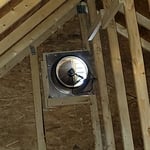
Gable Attic Fan - SOLAR POWERED!  Runs for FREE and 25 Year Warranty!
AeroShield Installed over Blown-In gives you the right protection forever with it's LIFETIME Warranty!

+37

Recommended by88%of homeowners
Radon Detection and Reduction FAQs, answered by experts

If your home has a sump pit, you can integrate it with a radon mitigation system. You can accomplish this by sealing the pump cover with an airtight lid that accommodates radon vent pipes and sump pump hoses. This allows the vent pipe to redirect the radon gas outside of your home.

The average radon mitigation system uses about 876 kWh of electricity per year, although the exact amount of electricity used will vary depending on the size of the radon fan. Once the system is installed, the annual increase to your energy bill could range from $30 to $300 per year, again depending on the size of the fan.

No level of radon is technically safe, but since it is present everywhere, complete avoidance is impossible. The average radon level in homes across the United States is 1.3 picocuries per liter (pCi/L). The Environmental Protection Agency (EPA) recommends taking preventative measures if your home's radon levels are between 2 and 4 pCi/L or higher.

Your radon mitigation system may be loud because it’s time to replace it. Any sounds are usually from the inline fan that helps create the vacuum and resulting airflow. If you hear a new, loud mechanical or humming noise from your radon fan, it might be time to replace it. Most fans used in radon mitigation systems last up to 10 years, but may need to be replaced sooner.

Radon enters your home when warm air begins to rise and exits through the roof, creating a vacuum that pulls cooler air from under the foundation. Part of that air is radon, which is an invisible, odorless gas that develops naturally when radioactive particles are deep within the ground. Those particles usually come from decaying matter in soil and rocks.

The Salem, NJ homeowners’ guide to radon detection and reduction services

From average costs to expert advice, get all the answers you need to get your job done.