


Top-rated drywall pros.

Get matched with top drywall pros in Saddle River, NJ

Enter your zip and get matched with up to 5 pros

Need a pro for your drywall service project in Saddle River, NJ?

Select your specific project to find the pro for you.

TRUSTED BY SADDLE RIVER, NJ HOMEOWNERS

  • Average homeowner rating star icon4.7
    Average homeowner rating
  • Verified reviews icon160
    Verified drywall services reviews

Find Drywall pros in Saddle River

Avatar for Rite-Way Home Improvements
Rite-Way Home Improvements
5.0(
49
)
Drywall - Repair

Serving Saddle River, NJ and surrounding areas

Approved

In business since 2020

Free estimates

Emergency services offered

"Very impressed with the care taken and quality of their work. They repaired water damage to my kitchen ceiling and now it looks brand new. Very courteous and professional. Would definitely hire them again."
Response time3 hrs
Response rate100%
230 neighbors recently requested a quote
Avatar for CSZ Construction
CSZ Construction
4.6(
69
)
Drywall - InstallDrywall - Install - For BusinessDrywall - Repair+1 more

Serving Saddle River, NJ and surrounding areas

Approved

In business since 1998

Free estimates

Emergency services offered

"I hired Cesar and his crew to gut and renovate multiple bedrooms a kitchen and 2 bathrooms. Cesar, Armondo and Benjamin were an absolute pleasure to work with. Their knowledge, expertise and craftmanship are top notch. Cesar is easy to work with and truly cares about making sure his customers are happy. Cesar has an uncanny knack for finding a solution to any problem he encounters. I found his pricing to be very fair and reasonable and I quickly learned I could trust Cesar. If you are looking to remodel, finish off a room or repair any part of your interior, Cesar and his team should be your first call."
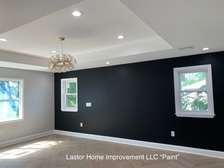
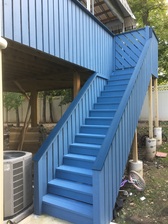
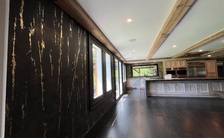
 ALL COLUMNS FINISH
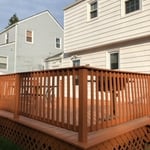
OLD DECK
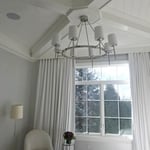
Livinroom
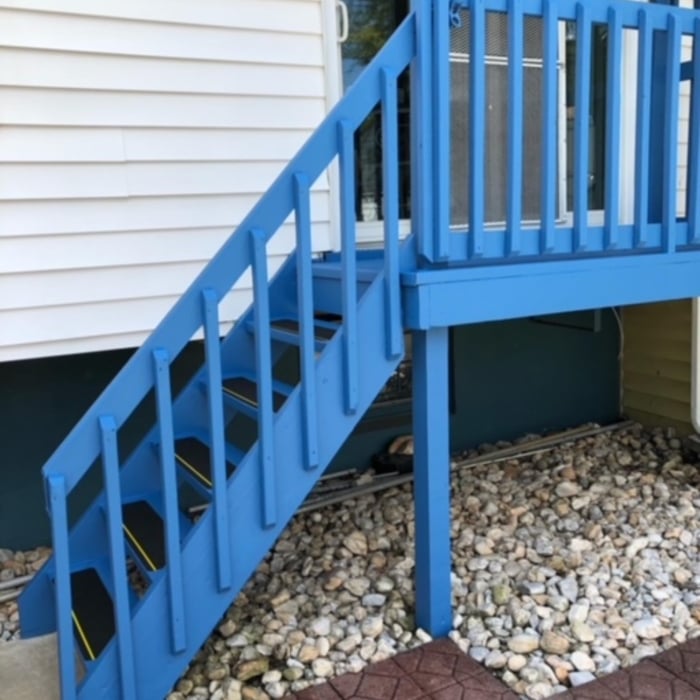
 PAINTING
PREPARING FOOTINGS

+168

Recommended by93%of homeowners
...
Showing 1-10 of 545
Drywall questions, answered by experts

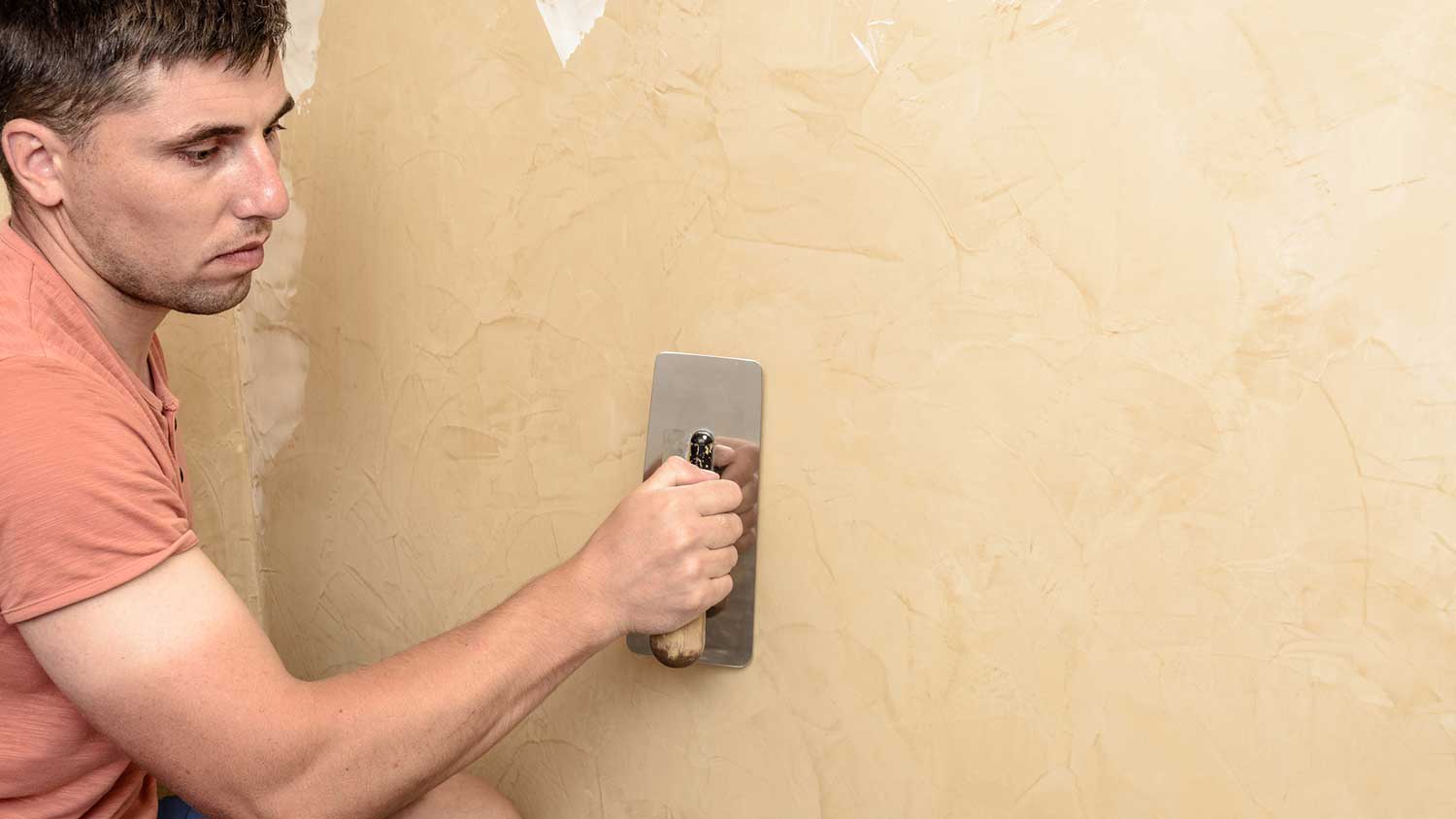
You can put drywall mud over paint to even out the surface or entirely resurface it. Sand the surface with 280-grit sandpaper, vacuum the debris and dust with a shop vac, and clean it with a slightly damp cloth. Allow the surface to dry. Apply drywall primer, especially if you’re skim-coating an entire wall. Apply the right type of drywall mud over the surface and smooth it with a trowel. Allow the layer to cure fully, then sand it before applying another layer or painting it.

A post-drywall inspection could uncover many problems that weren’t present during the pre-drywall inspection, including insufficient insulation, missing weather stripping, improperly installed plumbing and lighting fixtures, flooring damage, drywall damage, plumbing leaks, aesthetic issues, and more. Structural problems, which are often expensive to fix and are common reasons to walk away after a home inspection, are easier to see before the drywall goes up, but a post-drywall inspection may highlight minor issues with house settling and foundation problems.

The short answer is yes, a sagging plaster ceiling is dangerous. Sagging plaster on a wall is something you should fix immediately, but it isn’t a major concern. If the same type of sagging occurs on a ceiling, however, you could be in danger of your ceiling falling in large chunks. When plaster sags, it loses its strength and ability to hold itself up. The bonds that hold it together are strong, though, so if a sagging area falls, it will take large pieces down with it.

Although they are used for similar tasks, spackle and joint compound are not the same. Joint compound, also known as drywall mud, consists of limestone and gypsum and is primarily used for large-scale projects like taping and finishing seams on new drywall. Spackle is composed of gypsum and binding agents, making it a thicker compound best suited for small wall repairs like filling nail holes or cracks, as it dries quickly and is easy to sand. For small repairs, either product can be suitable. However, you can use joint compound for small jobs in place of spackle, but you cannot use spackle for large-scale taping and mudding projects.

When sanding drywall mud, you’re going to create a very fine dust that may contain silica. Silica dust contains crystalline silica, which can cause long-term illnesses for people who inhale it in significant quantities. Wear a mask while sanding drywall. Then dampen a drywall sponge to wipe the dust off the drywall, helping to reduce the amount of dust that may become airborne.

The Saddle River, NJ homeowners’ guide to drywall services

From average costs to expert advice, get all the answers you need to get your job done.