



Top-rated drywall pros.

Get matched with top drywall pros in Ramsey, NJ

Enter your zip and get matched with up to 5 pros

Need a pro for your drywall service project in Ramsey, NJ?

Select your specific project to find the pro for you.

TRUSTED BY RAMSEY, NJ HOMEOWNERS

  • Average homeowner rating star icon4.6
    Average homeowner rating
  • Verified reviews icon135
    Verified drywall services reviews

Find Drywall pros in Ramsey

Avatar for Rite-Way Home Improvements
Rite-Way Home Improvements
5.0(
49
)

Serving Ramsey, NJ and surrounding areas

Approved

In business since 2020

Free estimates

Emergency services offered

"Very impressed with the care taken and quality of their work. They repaired water damage to my kitchen ceiling and now it looks brand new. Very courteous and professional. Would definitely hire them again."
Response time3 hrs
Response rate100%
230 neighbors recently requested a quote
Avatar for CSZ Construction
CSZ Construction
4.6(
69
)

Serving Ramsey, NJ and surrounding areas

Approved

In business since 1998

Free estimates

Emergency services offered

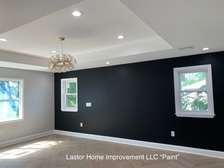
"We have had Cesar for many projects over the last 10 years. Bathrooms, bedrooms , roof, deck, shingle replacement, interior and exterior painting. I wouldn't use anyone else for my major and minor home repair."
 ALL COLUMNS FINISH
OLD DECK
Livinroom
 PAINTING
PREPARING FOOTINGS

+168

Recommended by93%of homeowners
Avatar for Overstate Roofing Services Inc.
Overstate Roofing Services Inc.
4.4(
59
)

Serving Ramsey, NJ and surrounding areas

Approved

In business since 2025

Free estimates

Emergency services offered

"I had an amazing experience with Overstate , we worked on a big drywall project after I had to remove my old popcorn ceilling . We ended up redoing a lot of drywall and insulation . I?m very happy with the end result and the price was very reasonable out of 3 quotes"
Roof replacement
Roof replacement
1940 neighbors recently requested a quote
Recommended by2%of homeowners
...
Showing 1-10 of 537
Drywall questions, answered by experts

The easiest way to tell if a wall is load bearing is to check if it’s an exterior wall or if it runs perpendicular to the joists above and below it (or parallel to beams). Exterior walls are almost always load-bearing, and walls that run under beams or parallel to them are also usually load-bearing. There are exceptions to these rules, and walls that don’t fit into these categories can still be load-bearing. If you’re unsure, hire a structural engineer to look at your home to assess whether or not the wall is structural.

Although they have similar applications, spackle and joint compound are not the same. Their primary differences lie in their composition, consistency, and ideal use cases.

Spackle is composed of gypsum and binding agents, making it thicker than joint compound. It dries quickly and is easy to sand, which makes it ideal for small wall repair projects like filling nail holes or patching minor damage.

Joint compound, also known as drywall mud, consists of limestone and gypsum. It is primarily used for large-scale projects, such as taping and finishing the seams on newly installed drywall. It tends to shrink more than spackle and can be more difficult to spread.

While both products can be used to fill small depressions and cracks, spackle cannot replace joint compound for taping and mudding new drywall. Conversely, you can often use joint compound for small patching jobs typically done with spackle.

Yes, taping inside corners is a critical step in the drywall installation process.  Properly taping inside corners is essential for achieving a professional look, and an installation that resists cracking and maintains its integrity over time. Taping the corners involves the application of a joint compound along the seam where two drywall pieces meet. This process provides reinforcement, conceals the seam, and prevents future gaps or cracks from developing.

Small patches can be DIY, but professionals handle large-scale repairs with seamless results.

You should stagger drywall sheets to help prevent cracking. The joints between drywall sheets are the weak spots, so if you install drywall with seams aligned, you’ll create weak lines that run across the length of the wall and extend from floor to ceiling. But when you stagger drywall, the solid sections of panels will support the joints. This can prevent seams from cracking or separating due to fluctuating temperature and humidity, vibrations from movement inside the home, and gravity.

The Ramsey, NJ homeowners’ guide to drywall services

From average costs to expert advice, get all the answers you need to get your job done.