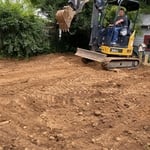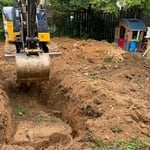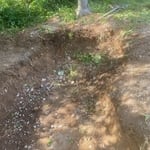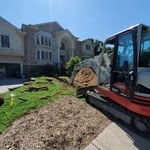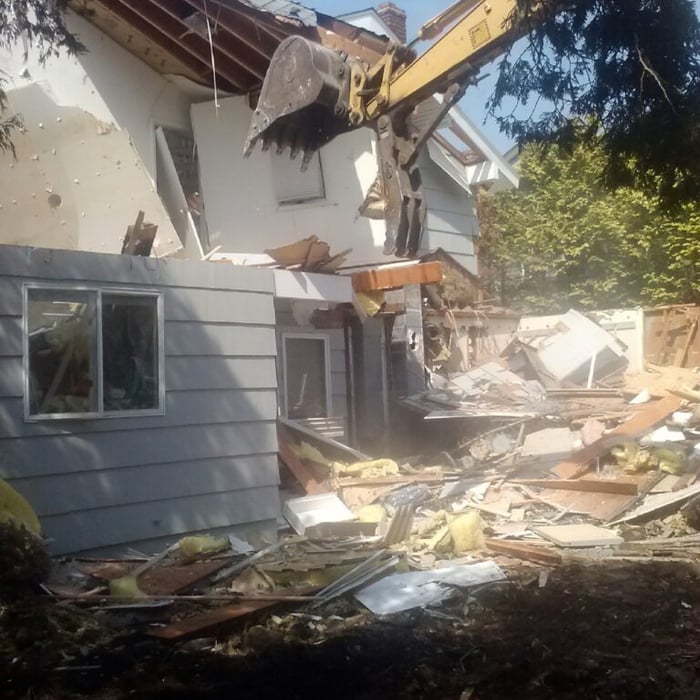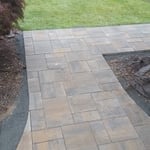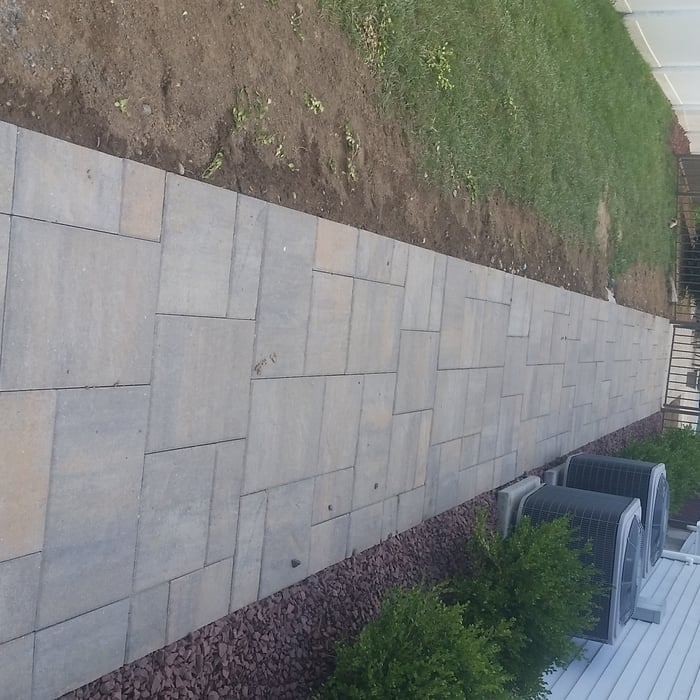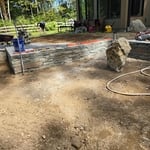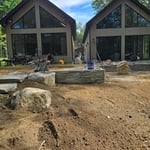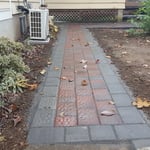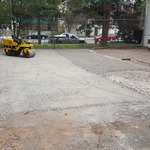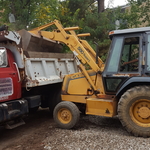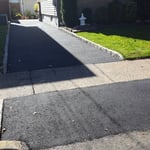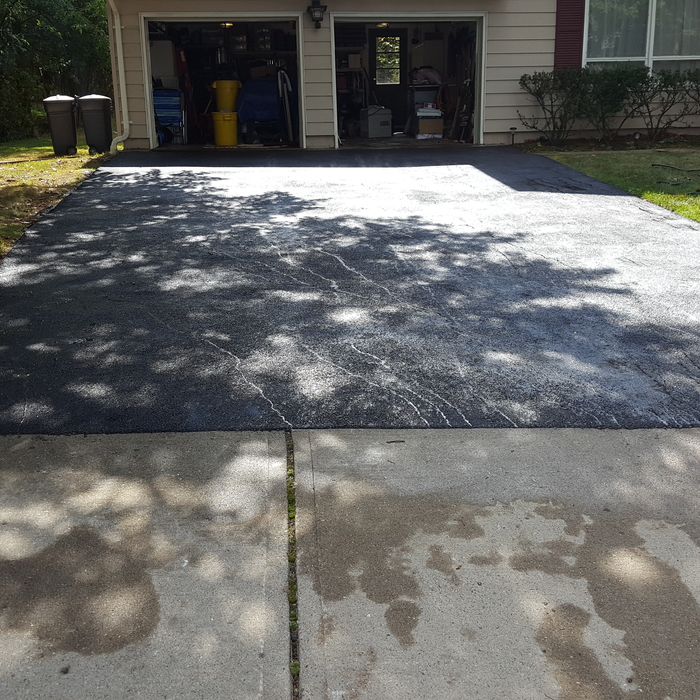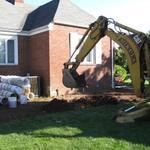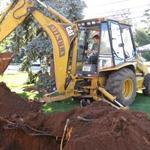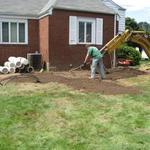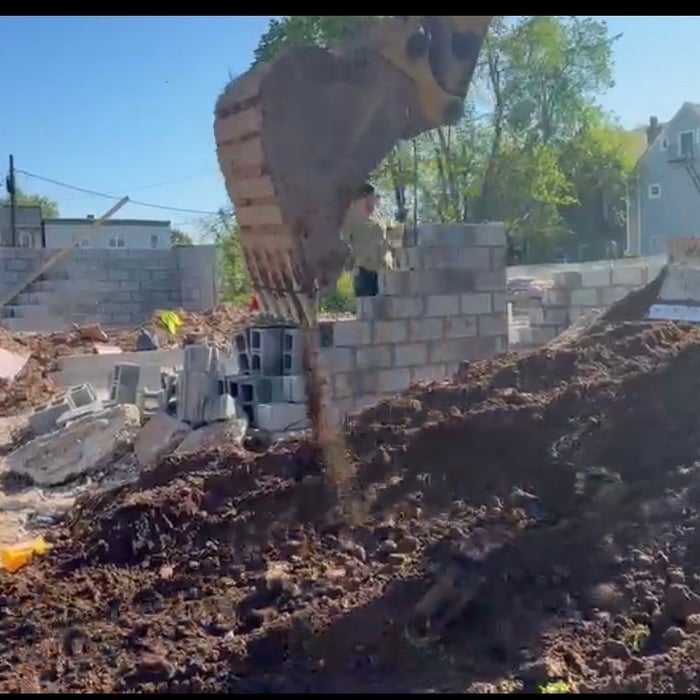



"A&M Excavating did a great job on our project. The crew was organized, efficient, and kept us updated the whole time. The site was left clean and ready for the next phase."
"I had many quote regarding some drainage issue in my driveway. I got a quote from Chris and was very reasonable and he knew exactly what was talking about. I decided to go with his company and was very satisfied. Thank you"
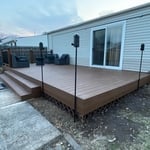
"Jonathan, Ernesto, and his Team did a great job renovating our stairs. As a first-time homebuyer, we wanted to renoâ our stairs and install metal railings. They acknowledged our concerns and answered our questions promptly. We love how our stairs and railings came out. 100% recommend these guys. I will contact them again for future projects."
"Kevin from Kearns Earthscapes came to my house the day after a significant rain storm. My basement was flooding out and he spent a good 1.5 hours assisting me. Not only did he provide me various solutions and walk me through all the options, BUT he also helped with some of the clean up (and removal of water)! I was very impressed. He undoubtably will get my business when I push forward with the repair works. I would definitely recommend."
"Very responsive, came right away to give me a quote. Started excavation right away with very experienced and friendly folks. Did everything perfectly. A real pleasure to deal with. I wish all other contractors were as good as Mikula! I highly recommend them."
Errors in site preparation can lead to structural failures or appear costly midway. Professionals ensure detailed, reliable home base development layouts.


Most residential basements are 8 to 10 feet deep. You can dig deeper depending on building codes, but it does become more difficult. You’ll likely need to install stronger foundation walls and additional supports to handle the increased load. Depending on the water table, you may also need a water management system. Clay soil can support a deeper foundation than sandy soil. A structural engineer will be able to tell you the maximum, feasible depth.
There is no standard depth for burying a septic tank; they are typically buried anywhere from 4 inches to 4 feet underground. The final depth depends on several factors, including the depth of your main sewer line, the height of the bedrock, soil type, local regulations, and the property's landscape. If you plan to grow grass or plants over the tank, a depth of at least 4 to 6 inches is recommended. Deeper tanks can be more difficult to locate, but a septic professional can help find it for you.
If you’re planning to dig on your property, you’ll need to check for underground utility lines. Call the national call-before-you-dig 811 number. Once connected to an operator, you can schedule a site visit to mark underground lines. This way, you won’t accidentally dig into pipes and can cause major (read: costly) issues.
Yes, most services include site leveling and foundation work. Confirm with your contractor for specifics.
The Roseland, NJ homeowners’ guide to excavation services
From average costs to expert advice, get all the answers you need to get your job done.
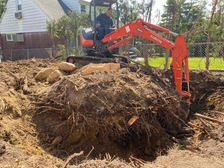
Excavation costs $1,500 to $6,300 for most residential projects—but it depends on factors like the size of the area. This guide will help you plan a budget.
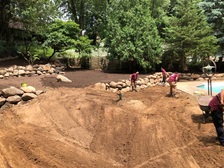
You can't have an in-ground pool without digging into the ground. How much does pool excavation cost, and can you take it on yourself? Our guide explains.