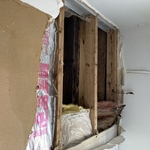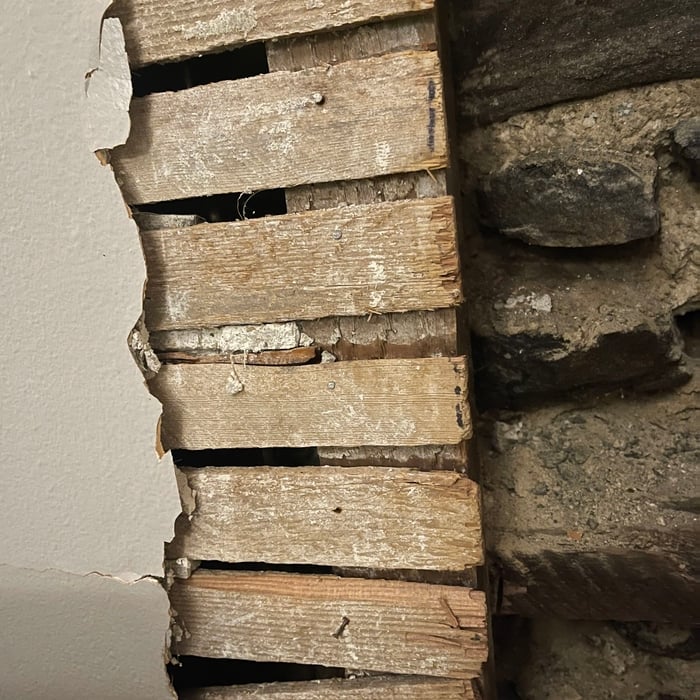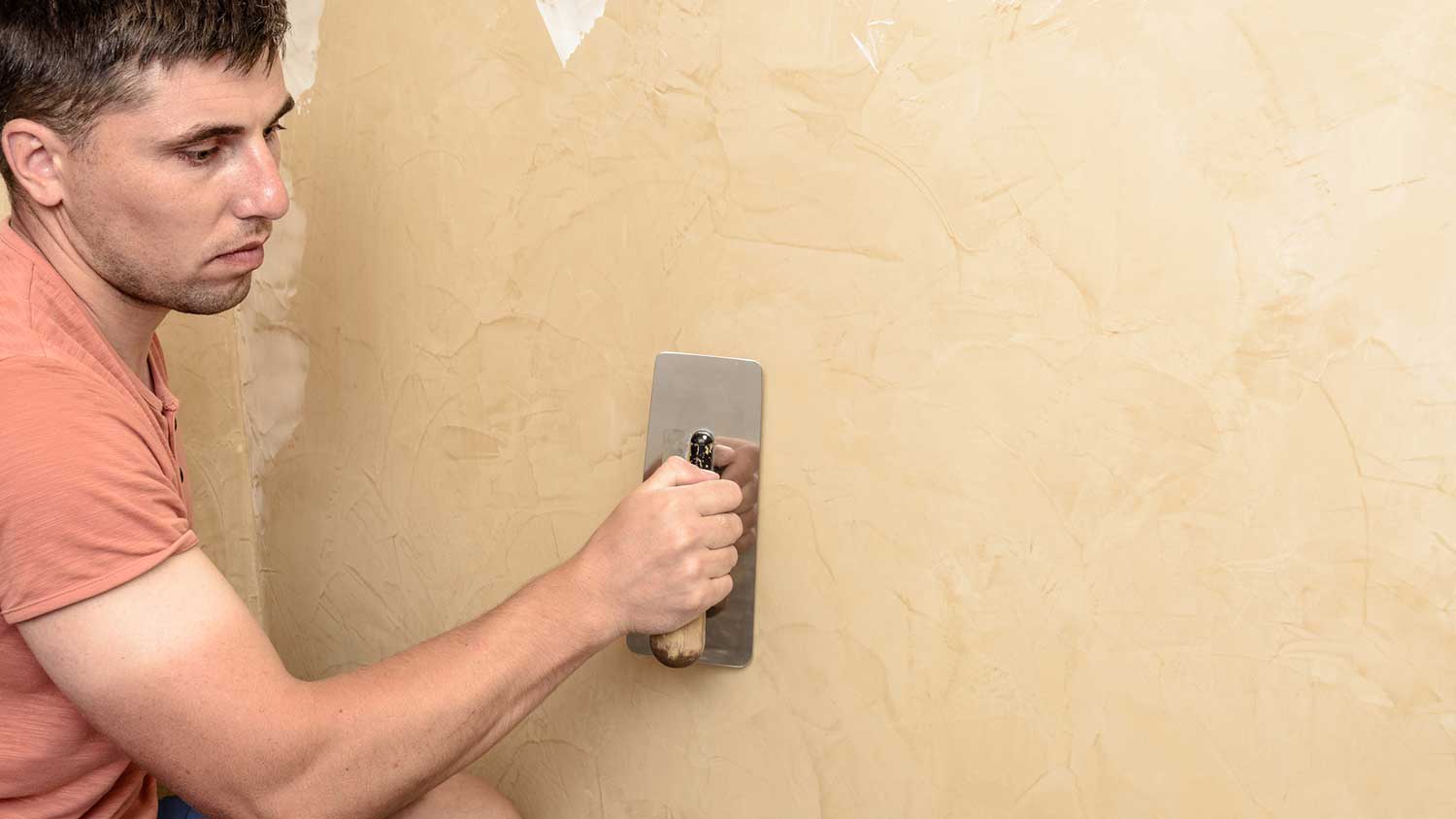







Top-rated drywall pros.

Get matched with top drywall pros in Paterson, NJ

Enter your zip and get matched with up to 5 pros

Need a pro for your drywall service project in Paterson, NJ?

Select your specific project to find the pro for you.

TRUSTED BY PATERSON, NJ HOMEOWNERS

  • Average homeowner rating star icon4.6
    Average homeowner rating
  • Verified reviews icon57
    Verified drywall services reviews

Find Drywall pros in Paterson

MNM Group Inc.
4.9(
161
)
Drywall - InstallDrywall - Install - For BusinessDrywall - Repair+1 more

Serving Paterson, NJ and surrounding areas

Approved

Super Service Award Winner

In business since 1986

Free estimates

Emergency services offered

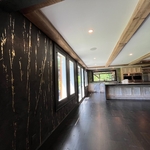
"MNM Group came in and did an absolutely fantastic job replacing 70 year old drywall in our kitchen. They were able to make the old walls which have studs which have bowed over the years perfectly smooth. Great mudding, hanging and edging around an old house. Biggest plus is they're up front with you on the estimates, great communications, respond to texts fast and arrive within minutes of when they say they will."
Additional Photos
Additional Photos
Additional Photos
Additional Photos
Additional Photos

+10

Response time8 hrs
Response rate100%
1 neighbors recently requested a quote
Avatar for Rite-Way Home Improvements
Rite-Way Home Improvements
5.0(
49
)
Drywall - Repair

Serving Paterson, NJ and surrounding areas

Approved

In business since 2020

Free estimates

Emergency services offered

"Very impressed with the care taken and quality of their work. They repaired water damage to my kitchen ceiling and now it looks brand new. Very courteous and professional. Would definitely hire them again."
Response time3 hrs
Response rate100%
241 neighbors recently requested a quote
Avatar for Monty Finishing Touch
Monty Finishing Touch
4.5(
42
)
Drywall - InstallDrywall - Install - For BusinessDrywall - Repair+1 more

Serving Paterson, NJ and surrounding areas

Approved

Super Service Award Winner

Free estimates

Emergency services offered

Credit card accepted

"Lamont responded very quickly to a crisis. The floor floor of my condo flooded and I needed drywall repair and painting. I called on a Thursday and a team was sent on Tuesday, which I thought was very quick and much appreciated! It would have been great for him to explain the process more (ie I did not realize that his team would not do the baseboards or replace the framing of the doors, etc.) but should this happen again, I’ll know what to ask for. Ultimately did a good job and I’m grateful for how quickly his team worked!"
Drywall Project
Drywall Project
Drywall Project
Drywall Project
Drywall Project

+185

Response time10 hrs
1 neighbors recently requested a quote
Recommended by72%of homeowners

...
Showing 1-10 of 747
Drywall questions, answered by experts

The best tool for cutting a hole in drywall is a drywall saw. Its serrated blade and ergonomic design make it efficient for both straight cuts and more intricate shapes, ensuring clean and precise results in various drywall cutting applications.

You should leave a gap between drywall sheets because they naturally expand and contract along with the building framing as temperature and humidity change. Most pro drywall installers leave a gap of about ⅛ inch between drywall sheets, allowing the sheets to expand, contract, and shift without cracking or becoming damaged. If you don’t leave enough gaps between slabs, the edges will press against each other when they expand, and the pressure can cause visible cracks.

Knowing what causes drywall damage can help stop it before it starts. Here are some of the most common causes of drywall damage: 

  • Water damage from roof leaks or leaky pipes. 

  • Small holes caused by doorknobs, minor accidents, and rodent infestations. 

  • Wall dents stemming from moving furniture and minor accidents. 

  • Wall cracks that form from a settling foundation or seismic activity. 

  • Nail pops from nails and screws in the walls. 

  • Large holes that are caused by accidents with heavy objects, children and pets, or sporting equipment.

Look for flaking paint or air bubbles that burst and then flake away. Paint will begin to flake after being exposed to minimal moisture or water, so it’s a good indicator of any water damage. If you notice your paint starting to flake, feel the plaster underneath to see if it is soft or damp.

Although they have similar applications, spackle and joint compound are not the same. Their primary differences lie in their composition, consistency, and ideal use cases.

Spackle is composed of gypsum and binding agents, making it thicker than joint compound. It dries quickly and is easy to sand, which makes it ideal for small wall repair projects like filling nail holes or patching minor damage.

Joint compound, also known as drywall mud, consists of limestone and gypsum. It is primarily used for large-scale projects, such as taping and finishing the seams on newly installed drywall. It tends to shrink more than spackle and can be more difficult to spread.

While both products can be used to fill small depressions and cracks, spackle cannot replace joint compound for taping and mudding new drywall. Conversely, you can often use joint compound for small patching jobs typically done with spackle.

The Paterson, NJ homeowners’ guide to drywall services

From average costs to expert advice, get all the answers you need to get your job done.