


Top-rated drywall pros.

Get matched with top drywall pros in Garfield, NJ

Enter your zip and get matched with up to 5 pros

Need a pro for your drywall service project in Garfield, NJ?

Select your specific project to find the pro for you.

TRUSTED BY GARFIELD, NJ HOMEOWNERS

  • Average homeowner rating star icon4.8
    Average homeowner rating
  • Verified reviews icon182
    Verified drywall services reviews

Find Drywall pros in Garfield

Avatar for The Start Point Home Improvements, Inc.
The Start Point Home Improvements, Inc.
4.6(
29
)
Drywall - InstallDrywall - Repair

Serving Garfield, NJ and surrounding areas

Approved

In business since 1996

Free estimates

Emergency services offered

"Jorge and his brother were extremely professional and did great work after being hired to fix cracks in my ceiling. They were punctual, extremely clean throughout the project and did great work. I’d recommend them for any project"
Response time5 hrs
Recommended by77%of homeowners
Avatar for DDP Construction, LLC
DDP Construction, LLC
4.5(
21
)
Drywall - InstallDrywall - Install - For BusinessDrywall - Repair - For Business

Serving Garfield, NJ and surrounding areas

Approved

In business since 2014

Free estimates

Warranties offered

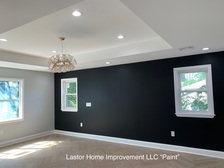
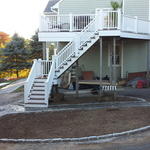
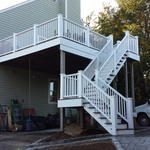
"This company did an excellent job remodeling an attic apartment for me. I relied on Dariusz to just "get it done" and he took care of everything. I simply had to pick out some flooring, cabinets and some appliances. He did everything else. His guys worked quickly and efficiently. I could not have been more pleased with the final result. I thought the labor charges were reasonable. Frankly, I expected to pay a lot more. I would use them again in a heartbeat."
JD Residence
JD Residence
JD Residence
JD Residence
JD Residence

+20

Response time40 mins
Recommended by100%of homeowners
...
Showing 1-10 of 732
Drywall questions, answered by experts

Plastering and skimming are two different techniques for finishing walls. Plastering involves applying a thick layer of a plaster mixture—typically containing gypsum, lime, cement, sand, and water—to create a new surface. This process often requires multiple coats and is used for repairing significant damage or creating decorative textures. Skimming, on the other hand, is a technique that involves applying a thin layer of drywall compound or joint compound over an existing surface to smooth it out, covering minor imperfections, small cracks, or uneven textures for a polished look. Plastering is generally more costly and labor-intensive than skimming. Although some people use the terms interchangeably, they refer to different processes and materials.

Deciding whether to repair or replace drywall can be tricky, but your top considerations should be the extent of the damage and what caused the damage. For instance, if you need to repair a small hole caused by a doorknob that hit the wall, you can safely patch it without a second thought. However, if you have significant drywall damage caused by water damage, it’s best to thoroughly remove the drywall to inspect and repair the pipes behind it before replacing it.

Venetian plaster is a highly durable wall finish that becomes a rock-like substance once dried, making it last longer than most other wall finishes. Its lifespan can range from decades to centuries, potentially lasting a lifetime. Key factors influencing its longevity include the quality of the initial application, whether it's properly sealed against moisture, and how the wall is maintained and treated (e.g., how often it is touched or bumped). Due to its mineral content, it can also develop a patina over time.

You can put certain types of plaster over other types, but doing so isn't always the best idea. For example, putting a coat of gypsum over lime plaster is possible, but doing so will limit the lime plaster's breathability and potentially affect its performance.

Since cement plaster tends to leave a textured surface, no matter how much you smooth it, some people prefer to use gypsum plaster as a topcoat over cement plaster, creating a smoother surface.

The best way to make long, straight cuts is to use a utility knife and a T-square to score the sheet, snap along the score, and then finish the cut by cutting through the paper on the opposite side with the utility knife. If you’re making small cuts, curved cuts, or cutouts for electrical boxes or light fixtures, you can use a manual jab saw to keep costs down, but an electric spiral saw or oscillating multi-tool will get the cleanest, fastest cuts possible.

The Garfield, NJ homeowners’ guide to drywall services

From average costs to expert advice, get all the answers you need to get your job done.