


Top-rated excavation pros.

Best excavation pros near Frenchtown, NJ

Enter your zip and get matched with up to 5 pros

Need a pro for your excavation project in Frenchtown, NJ?

Select your specific project to find the pro for you.

TRUSTED BY FRENCHTOWN, NJ HOMEOWNERS

  • Average homeowner rating star icon4.8
    Average homeowner rating
  • Verified reviews icon20
    Verified excavation services reviews

Top-Rated Excavation pros in Frenchtown - Updated Nov 2026

Avatar for Long Hill Contracting, LLC
Long Hill Contracting, LLC
4.9(
28
)
Building Site - Preparation and ClearingBuilding Site - Preparation and Clearing - For Business

Serving Frenchtown, NJ and surrounding areas

Approved

In business since 2017

Free estimates

Emergency services offered

"I meet with 5 excavators about clearing brush and putting a wood fence on my horse property. I have a nationally know show stable with Olympic caliber horses. The fields and fences have to be safe and beautiful. Ours were not , but Dave came in gave us ther reasonable and for us affordable estimate and had a real sense of quiet confidence as to how long the job would take, the smartest way to do the job and what the finished project would look like."
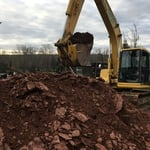
Excavation of contaminated soil
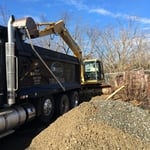
Loading truck for disposal of contaminated soil
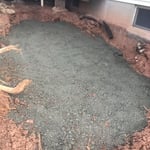
Backfilling excavation with certified clean
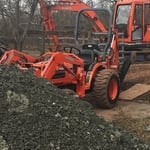
Placement of clean material
Remediation complete

+45

Response time10 hrs
Recommended by100%of homeowners
BSAN Excavation, LLC
New to Angi
Excavation - Major Grading or ReslopingBuilding Site - Preparation and ClearingLandscape - Minor Grading or Resloping

Serving Frenchtown, NJ and surrounding areas

Approved

In business since 2024

Free estimates

Credit card accepted

We are committed to excellence in every aspect of our business. We uphold a standard of integrity bound by fairness, honesty, and personal responsibility. Our distinction is the quality of service we bring to our customers. Accurate knowledge of our trade combined with ability is what makes us true professionals. Above all, we are watchful of our customers' interests, and make their concerns the basis of our business.

Response time1 day
Response rate100%
1 neighbors recently requested a quote
...
Showing 1-10 of 103
Excavating FAQs, answered by experts

Trenches are typically 12 to 24 inches deep and 8 inches wide. However, the required depth depends on the specific project and local ordinances. For example, a French drain may need to be 18 inches deep, while a water pipe might require a depth of 24 inches and a drainage pipe 36 inches. Your city or county may have specific regulations, so it's wise to consult with an excavation professional to determine the correct depth for your project.

You should dig 3 to 6 inches deep for plastic edging. Dig as wide as you need to fit your plastic edging into it—2 inches is usually sufficient.

Prior to excavation, you should prepare the dig site and call 311 before you sign anything.

To get your site ready for excavation, you should move anything in the area that isn’t affixed to the land. You can save money on the excavation by removing hardscaping, including walkways, decks, concrete patios, and paver patios.

Before you carry out any digging, you should call 311 to confirm that there are no utility lines running through your excavation site. Skipping this step could lead to severe injury and property damage if your excavator hits a water, sewage, or gas line.

There are several methods to hollow out a tree stump, and the best one depends on your tools, experience, and priorities. Common methods include using a chisel and hammer, a chainsaw, or burning.

  • Chisel and Hammer: This is often considered the easiest approach for those with limited tools or experience, though it is the most time-consuming.

  • Chainsaw: Using a chainsaw is the fastest method, but it comes with significant safety risks, especially for inexperienced users.

  • Burning: This can be an effective method, but it is not recommended unless you can first drill holes into the stump. Without holes, the stump will be difficult to light and may not burn completely through.

A power drill with at least a ⅜-inch diameter bit can make the job quicker and easier, regardless of the primary method. While you can use a chisel or chainsaw without a drill, it will require more time and effort. Always wear protective goggles and thick gloves, as splinters are an inevitable risk.

There are many ways to cut through roots when digging, especially if your trencher doesn’t seem to be removing the roots. First, use a shovel to expose the roots. Then, use gardening shears to clear out smaller roots or a reciprocating saw to remove larger plant roots. If you plan on keeping the plant, avoid cutting any roots over 2 inches thick.

The Frenchtown, NJ homeowners’ guide to excavation services

From average costs to expert advice, get all the answers you need to get your job done.