Top-rated excavation pros.

Best excavation pros near Lambertville, NJ

Enter your zip and get matched with up to 5 pros

Need a pro for your excavation project in Lambertville, NJ?

Select your specific project to find the pro for you.

TRUSTED BY LAMBERTVILLE, NJ HOMEOWNERS

  • Average homeowner rating star icon4.2
    Average homeowner rating
  • Verified reviews icon21
    Verified excavation services reviews

Top-Rated Excavation pros in Lambertville - Updated Nov 2026

Avatar for HENDRICKSON EXCAVATING
HENDRICKSON EXCAVATING
5.0(
42
)
Building Site - Preparation and ClearingBuilding Site - Preparation and Clearing - For BusinessExcavation - Major Grading or Resloping+2 more

Serving Lambertville, NJ and surrounding areas

Approved

In business since 1980

Free estimates

Emergency services offered

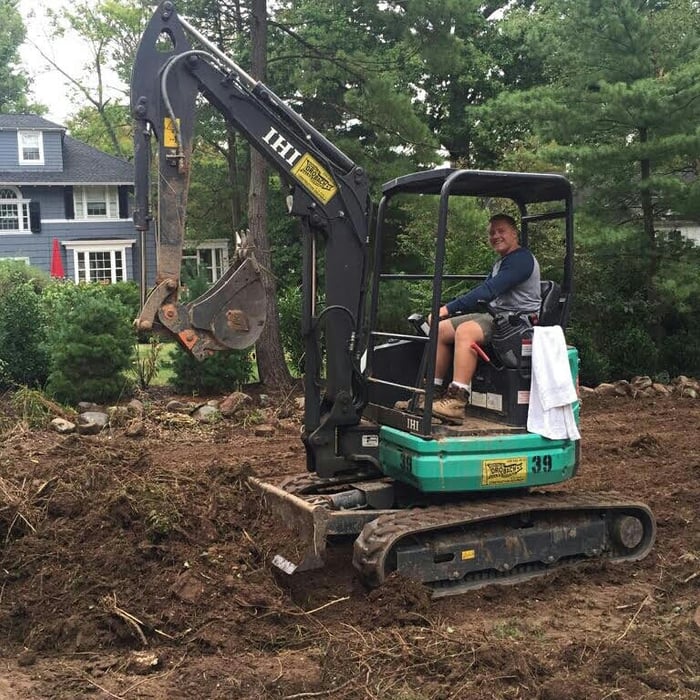
"Mark Hendrickson returned my call promptly, and came to my house that afternoon to look over the site and to give me an estimate and a time frame. On the day of the job, he arrived right on time and had made arrangements with another company to have my septic pumped out, prior to the repair work. Even though this was a relatively small job, Mark and his son who works with him, were professional and polite through the whole process. The cost was $300 for the actual repair and digging and $300 to have the septic pumped out. I would not hesitate to use Mark Hendrickson Excavating again, they were great to work with!"
Response time1 day
1 neighbors recently requested a quote
Recommended by100%of homeowners

Avatar for Long Hill Contracting, LLC
Long Hill Contracting, LLC
4.9(
28
)
Building Site - Preparation and ClearingBuilding Site - Preparation and Clearing - For Business

Serving Lambertville, NJ and surrounding areas

Approved

In business since 2017

Free estimates

Emergency services offered

"If anyone is looking to get grading and land level I recommend that you use Long Hill Contracting. Dave, who is the owner comes out to your home and does a walk thru. He asks questions on what you are looking to get down. He then present vision of your project with you. The projects turnaround time was very quick. He is extremely professional, project pricing is fair/reasonable and he goes out of his way to work within your budget. Thank you Dave!"
Excavation of contaminated soil
Loading truck for disposal of contaminated soil
Backfilling excavation with certified clean
Placement of clean material
Remediation complete

+45

Response time10 hrs
Recommended by100%of homeowners

...
Showing 1-10 of 104
Excavating FAQs, answered by experts

Digging out a basement takes anywhere from a few days to a few months. Most projects take at least two to five weeks, but it could take several months if you encounter obstacles. This project takes longer if you need to brace or raise your home before the excavation. Digging out a basement in new construction can take as little as three days.

Depth is not a qualifying component of evacuation. Any human-made cut, cavity, or depression in the earth’s surface is considered excavation. The hole from excavation can be any size, shape, or depth. Excavation is used to create foundations, reservoirs, drainage ditches, and roads. Long, narrow excavations are called trenches and are often used for underground utilities.

Hard soil could be a sign of overly dry dirt, either from poor drainage or drought. It's important to test the nutrient levels, density, and drainage capacity of your soil to see if it's absorbing water properly. Begin by adding a light layer of water and observing how long the soil retains moisture. If you experience a good deal of runoff, you may need to aerate your lawn, apply a wetting agent, or hire a professional for a closer look.

Call 811 to locate and mark the gas lines at least three days before digging. In many areas, you can dig within 18 inches of the lines, though in some locations, the distance may be further. Check local regulations, as you may need a utility company representative onsite when digging. Document your calls to 811 and precautions taken to avoid gas lines. A homeowner can be held liable for hitting a gas line in some cases, but contacting the proper authorities and following all guidelines can offer protection.

The best type of soil to build on is a mixture of sand and clay, known as loam soil. Loam soil has the best combination of these soil types to build a foundation on. The clay particles help with water retention, so it won’t erode like sandy soil might, and the sandy particles help with drainage, so you won’t see unsafe soil expansion or have an increased risk of leaks from water sitting against your foundation.

The Lambertville, NJ homeowners’ guide to excavation services

From average costs to expert advice, get all the answers you need to get your job done.