

Top-rated excavation pros.

Get matched with top excavation pros in Hampton, NJ

Enter your zip and get matched with up to 5 pros

Need a pro for your excavation project in Hampton, NJ?

Select your specific project to find the pro for you.

TRUSTED BY HAMPTON, NJ HOMEOWNERS

  • Average homeowner rating star icon4.7
    Average homeowner rating
  • Verified reviews icon33
    Verified excavation services reviews

Find Excavation pros in Hampton

Avatar for Long Hill Contracting, LLC
Long Hill Contracting, LLC
4.9(
28
)
Building Site - Preparation and ClearingBuilding Site - Preparation and Clearing - For Business

Serving Hampton, NJ and surrounding areas

Approved

In business since 2017

Free estimates

Emergency services offered

"We had the worst weather possible for clearing trees, excavating, installing drainage, and prepping for a barn build on two and half acres, but Dave stuck with it and delivered the project as we had discussed. He provided updates regularly, and communicated well when issues arose by providing options that helped to stay on budget."
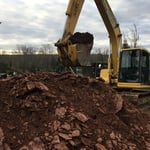
Excavation of contaminated soil
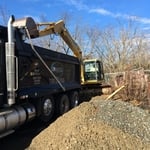
Loading truck for disposal of contaminated soil
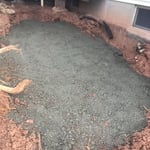
Backfilling excavation with certified clean
Placement of clean material
Remediation complete

+45

Response time10 hrs
Recommended by100%of homeowners
Avatar for G1 Excavation LLC
G1 Excavation LLC
5.0(
1
)
Building Site - Preparation and ClearingBuilding Site - Preparation and Clearing - For BusinessExcavation - Major Grading or Resloping+1 more

Serving Hampton, NJ and surrounding areas

Approved

In business since 2023

Free estimates

Emergency services offered

Based in Titusville, NJ, we provide expert excavating, underground utility, demolition, grading, site work, drainage, septic, pond installation, land clearing, forestry mulching, brush mowing, tree removal, milling & paving, gravel driveway installation & repair, dump truck, and snow removal. Serving Princeton, Hopewell Township, Lambertville, and surrounding central New Jersey towns, we deliver safe, efficient, and reliable property improvement and site preparation services for residential and commercial clients.

BSAN Excavation, LLC
New to Angi
Building Site - Preparation and ClearingLandscape - Minor Grading or ReslopingExcavation - Major Grading or Resloping

Serving Hampton, NJ and surrounding areas

Approved

In business since 2024

Free estimates

Credit card accepted

We are committed to excellence in every aspect of our business. We uphold a standard of integrity bound by fairness, honesty, and personal responsibility. Our distinction is the quality of service we bring to our customers. Accurate knowledge of our trade combined with ability is what makes us true professionals. Above all, we are watchful of our customers' interests, and make their concerns the basis of our business.

Response time1 day
Response rate100%
3 neighbors recently requested a quote
...
Showing 1-10 of 111
Excavating questions, answered by experts

The digging depth will depend on the size of the trencher you use. Even smaller units can dig up to 4 feet deep, which is plenty for a DIY job. However, much larger trenchers can reach a depth of 18 feet and are better used by a team of pro contractors, not a single DIYer. As with all home improvement projects, use the right tool for the job and proceed with caution.

There is no standard depth for burying a septic tank; they are typically buried anywhere from 4 inches to 4 feet underground. The final depth depends on several factors, including the depth of your main sewer line, the height of the bedrock, soil type, local regulations, and the property's landscape. If you plan to grow grass or plants over the tank, a depth of at least 4 to 6 inches is recommended. Deeper tanks can be more difficult to locate, but a septic professional can help find it for you.

If you’re planning to dig on your property, you’ll need to check for underground utility lines. Call the national call-before-you-dig 811 number. Once connected to an operator, you can schedule a site visit to mark underground lines. This way, you won’t accidentally dig into pipes and can cause major (read: costly) issues.

Hard soil could be a sign of overly dry dirt, either from poor drainage or drought. It's important to test the nutrient levels, density, and drainage capacity of your soil to see if it's absorbing water properly. Begin by adding a light layer of water and observing how long the soil retains moisture. If you experience a good deal of runoff, you may need to aerate your lawn, apply a wetting agent, or hire a professional for a closer look.

Septic drain lines (or leach lines) are typically buried between 18 and 36 inches underground, and should be at least 6 inches below the surface. These pipes are perforated and surrounded by filtering materials like sand or gravel. Burying the lines at this depth helps minimize odors and allows bacteria and other biological processes in the soil to effectively treat the wastewater. Burying lines too close to the surface can cause issues unless the soil is very compact and stable.

The Hampton, NJ homeowners’ guide to excavation services

From average costs to expert advice, get all the answers you need to get your job done.