









Top-rated electricians.

Get matched with top electricians in Corbin City, NJ

Enter your zip and get matched with up to 5 pros

Need a pro for your electrical service project in Corbin City, NJ?

Select your specific project to find the pro for you.

TRUSTED BY CORBIN CITY, NJ HOMEOWNERS

  • Average homeowner rating star icon4.5
    Average homeowner rating
  • Verified reviews icon68
    Verified electrical services reviews
Electrical questions, answered by experts

According to the National Electrical Code® (NEC®), the electrical code for kitchen outlets states that electrical outlets in a kitchen should be installed no more than 48 inches apart. This ensures that a receptacle is no further away than 24 inches from any place on the countertop. Countertops wider than 12 inches need an outlet on the wall above the countertop.

A piggyback circuit breaker, also known as a tandem or double-stuff breaker, combines two separate circuits into a single slot in a breaker panel. This design allows adding more circuits without a larger panel, making it a space-saving solution. Each breaker in the piggyback unit operates independently, protecting two circuits in one standard breaker slot. This is especially useful in older panels with limited space for additional breakers.

The size of the microwave you choose may change this answer, but for standard over-the-range microwaves, 120 volts and a three-prong grounded outlet is needed for your device.

While circuit breakers are designed to be reset after tripping, there isn't a strict countdown to when they will fail. The primary danger lies in a breaker tripping multiple times in a short period without allowing the components to cool down. Theoretically, a standard breaker might handle around 50 trips caused by simple overloading. However, this number can be much lower in practice. For instance, a high-current fault could damage a breaker to the point that it needs replacement after only two resets. Repeatedly resetting a breaker that trips frequently exacerbates the underlying problem by causing the electrical components, wires, and the breaker itself to overheat. This can lead to permanent damage, cause the breaker to trip unnecessarily in the future, and increase the risk of an electrical fire. If a breaker trips every few minutes, you should leave it in the 'off' position and call a qualified electrician for an inspection.

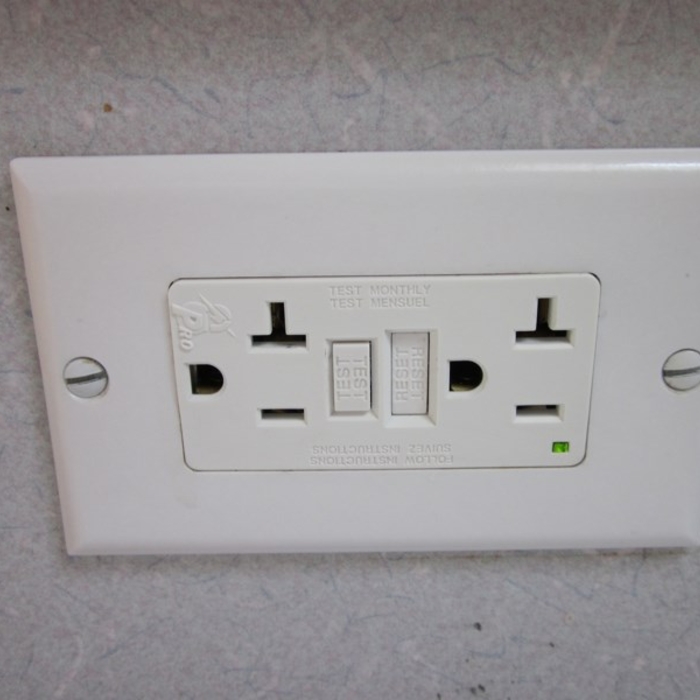
A standard three-prong electrical outlet typically lasts for about 15 years with normal use and should be replaced accordingly. GFCI outlets may have a longer lifespan of 15 to 25 years. While some outlets can last longer if used infrequently, they can also fail prematurely. Reasons for early failure include poor wiring, an overloaded circuit, improper grounding or installation, or loose plugs. Signs that an outlet is failing include flickering lights, overheating, a discolored or melted faceplate, plugs that fall out easily, or frequently tripping circuit breakers. It is essential to address faulty outlets promptly to avoid safety hazards, especially in homes older than 15 years.

The Corbin City, NJ homeowners’ guide to electrical services

From average costs to expert advice, get all the answers you need to get your job done.