


Top-rated drywall pros.

Get matched with top drywall pros in Wilton, NH

Enter your zip and get matched with up to 5 pros

Need a pro for your drywall service project in Wilton, NH?

Select your specific project to find the pro for you.

TRUSTED BY WILTON, NH HOMEOWNERS

  • Average homeowner rating star icon4.4
    Average homeowner rating
  • Verified reviews icon63
    Verified drywall services reviews

Find Drywall pros in Wilton

Avatar for Fine Kerf Carpentry
Fine Kerf Carpentry
5.0(
13
)
Drywall - Repair

Serving Wilton, NH and surrounding areas

Approved

In business since 2020

Credit card accepted

Customers say: True professional

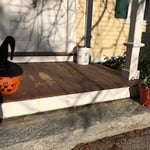
"Tim was great and the project went great. Had the deck repaired, power washed and re-sealed. Great job would use him again for other projects."
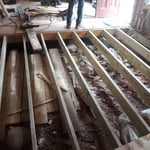
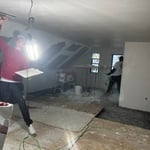
floor demoed
before
Frame up
before
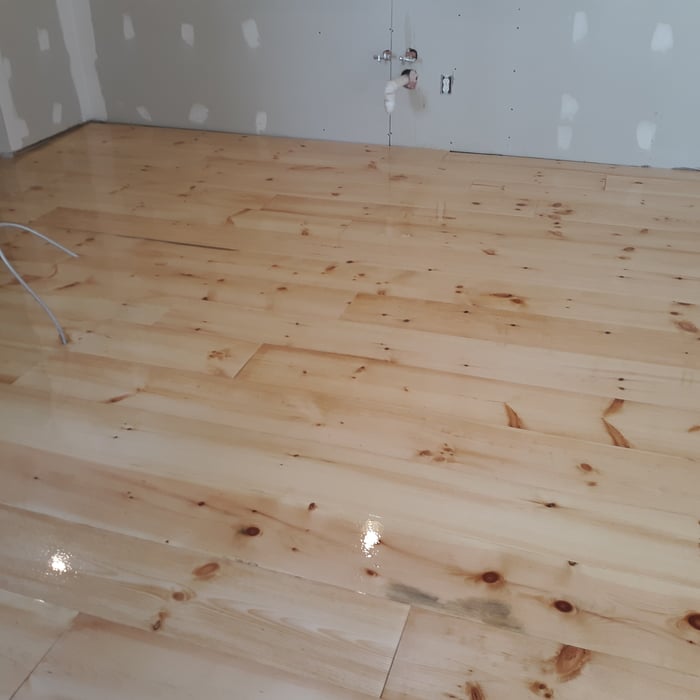
Wide pine flooring

+11

Response time2 days
4 neighbors recently requested a quote
Recommended by100%of homeowners
Avatar for ApexBuilds
ApexBuilds
4.0(
4
)
Drywall - Install

Serving Wilton, NH and surrounding areas

Approved

In business since 2020

Free estimates

Emergency services offered

"They did a fantastic job with my driveway. They managed to expand it so it can park all my cars and so I can pull in and out easily. I highly recommend them for everyone who wants their project to be done as soon as possible because they have great availability."
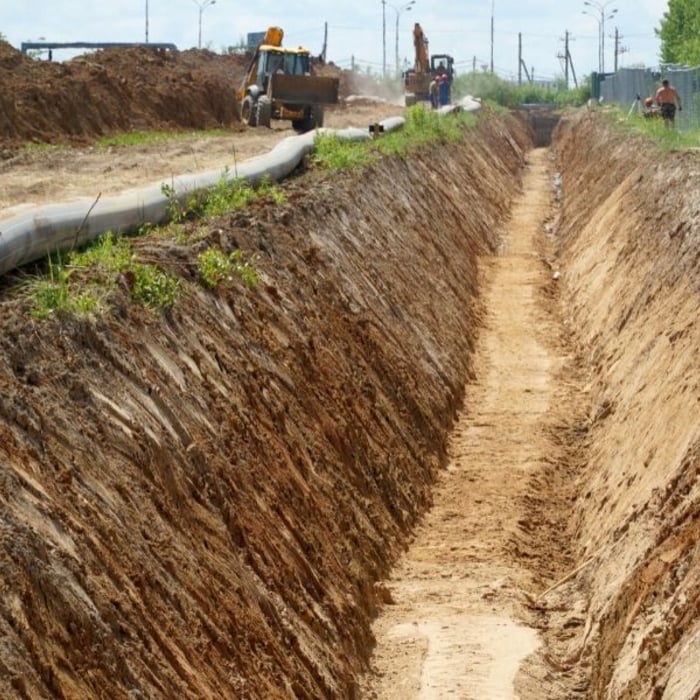
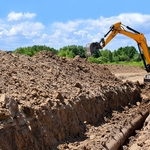
TRENCH
land clearing
land clearing
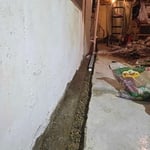
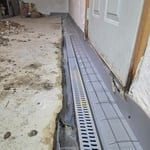
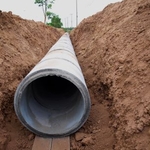
drainage trench
drainage trench

+94

Response time1 day
Response rate100%
27 neighbors recently requested a quote
...
Showing 1-10 of 315
Drywall questions, answered by experts

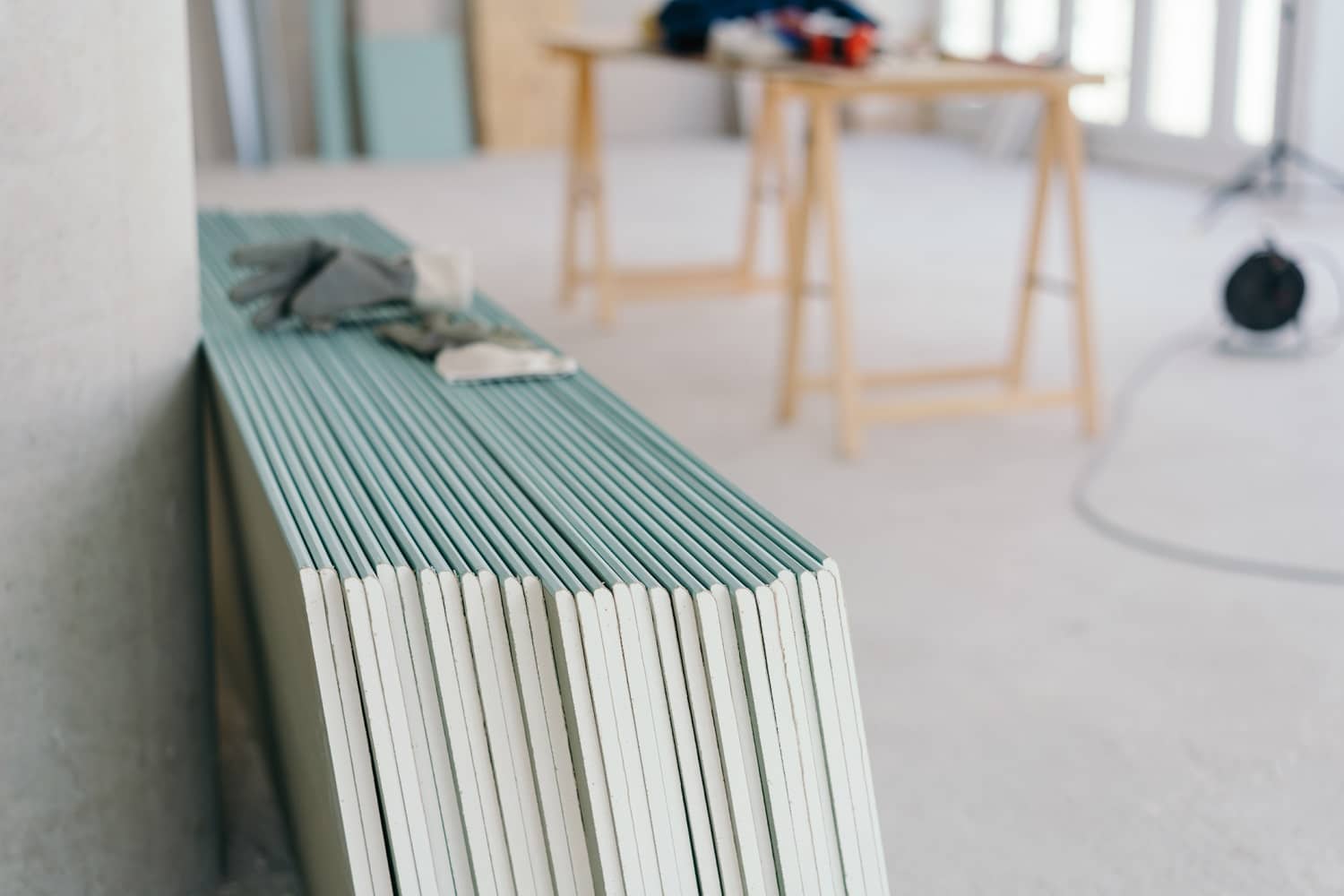
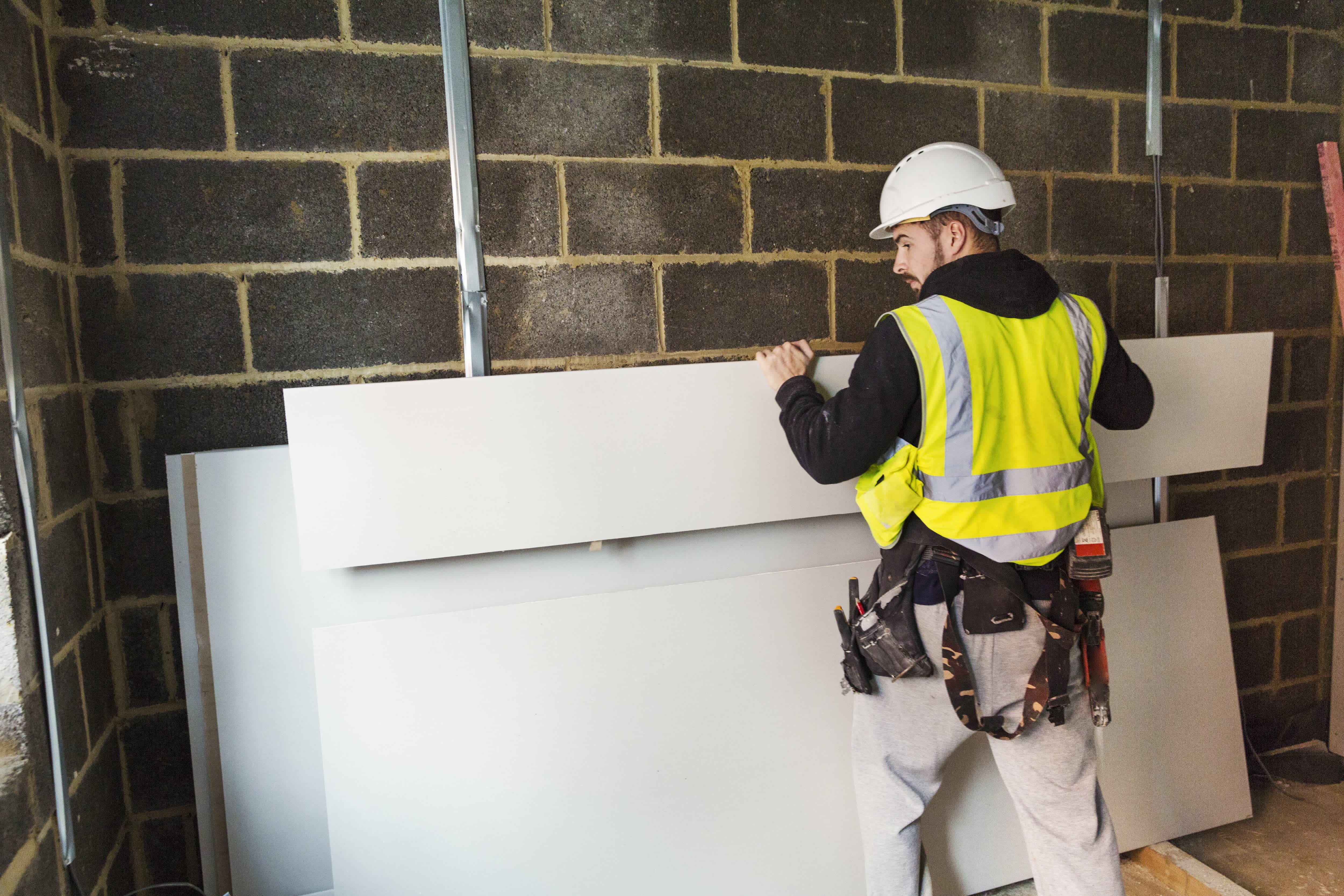
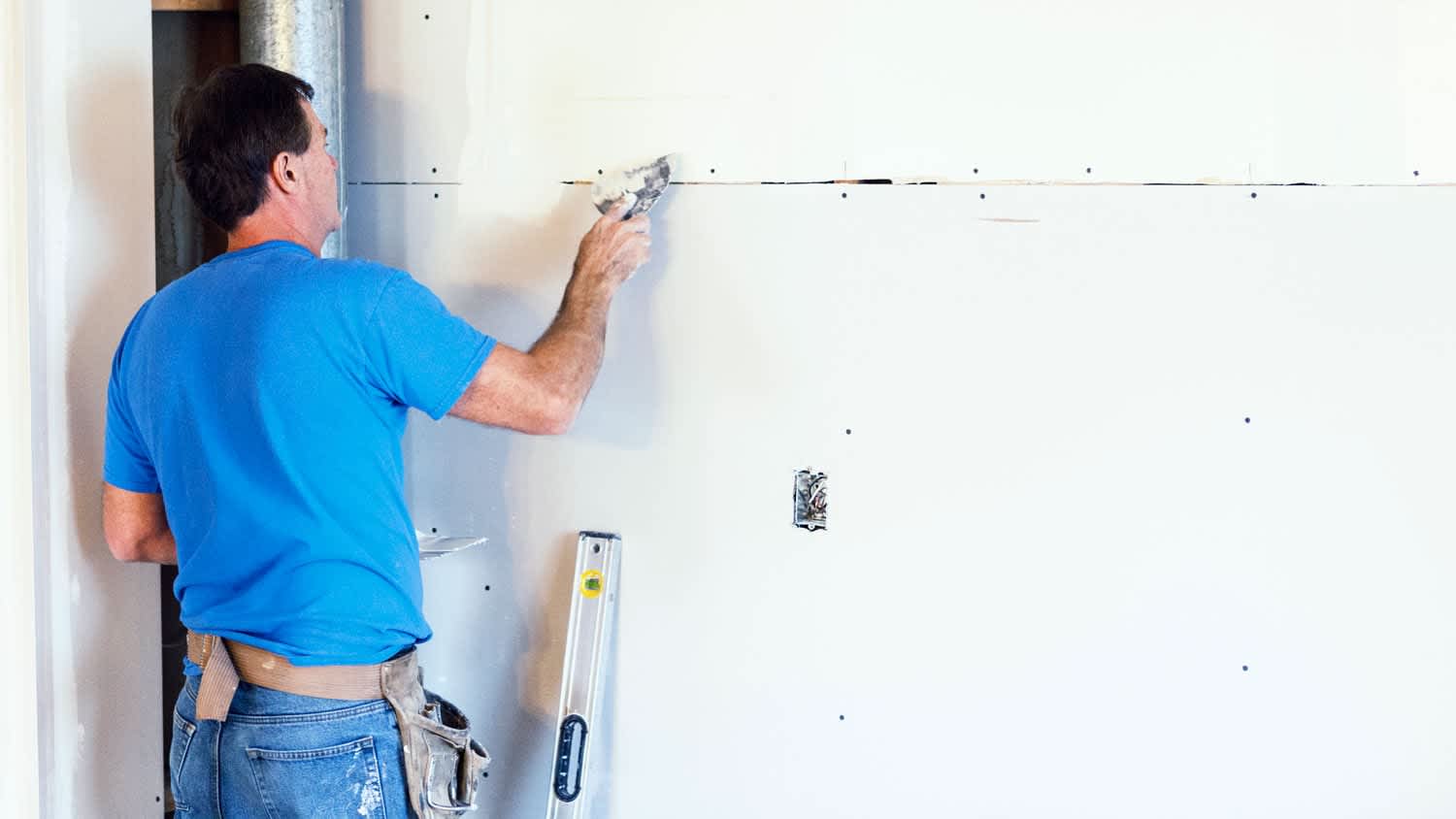
How you hang the drywall can affect the finishing process. It's often easier to finish horizontal drywall panels, as the seams run across the wall rather than up and down. Standard drywall panels are 48 inches wide, so the seam is easy to reach without bending down or stretching your arms.

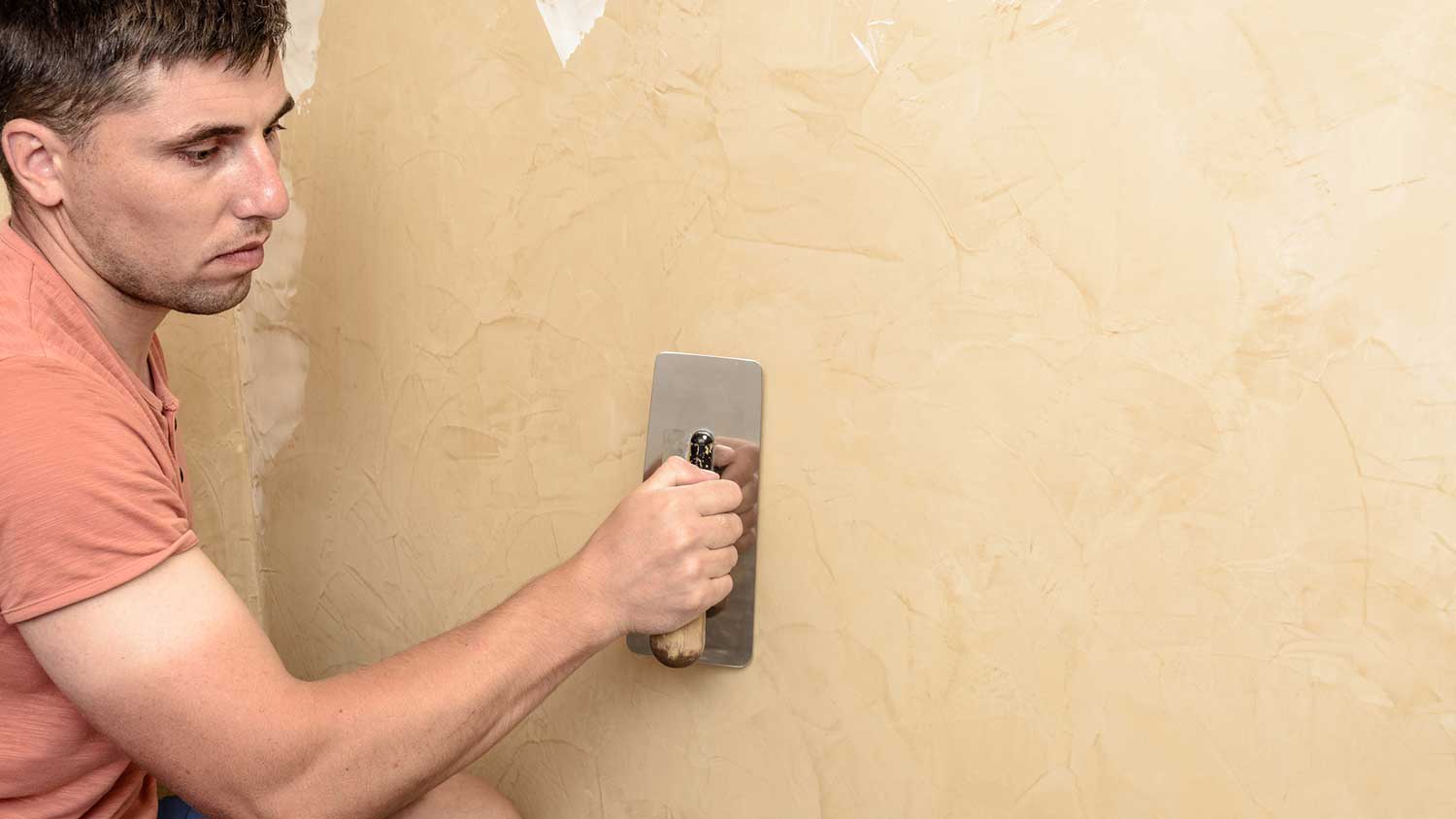
Both plaster and drywall are durable wall finishes, but they differ significantly in installation, cost, performance, and aesthetics.

Installation & Cost: Drywall installation is faster and more affordable, typically costing $1.50 to $3 per square foot. It uses premade sheets, making it a more accessible DIY project. Plastering is a labor-intensive craft that requires specialized skills, pushing costs to $2 to $10 per square foot. It involves applying a wet paste over a lath framework.

Durability & Performance: Plaster is generally more durable, longer-lasting, and provides superior soundproofing. It is also a better insulator, which can help reduce energy costs. Drywall is easier to remove for future renovations.
Aesthetics: Drywall provides a smooth, uniform surface ready for paint or texture. Plaster offers a high-end, naturally textured look that can hide imperfections and is often preferred for achieving a classic or historic aesthetic.

Which is better? The choice depends on your priorities. Drywall is ideal for those prioritizing a lower upfront cost, faster installation, and DIY potential. Plaster is the better option for a higher-end project where durability, soundproofing, and a unique, premium finish are more important than the initial cost.

Yes, you can mount a TV on plaster walls—as long as you attach it to the studs. Alternatively, you can use toggle bolts, molly bolts, or another type of hardware that’s strong enough to support a TV. 

If you aren’t comfortable with this type of project, you can hire a pro. The cost of mounting a TV to a plaster wall ranges from $25 to $600 (or more), depending on the TV’s weight, size, and other factors.

Knowing what causes drywall damage can help stop it before it starts. Here are some of the most common causes of drywall damage: 

  • Water damage from roof leaks or leaky pipes. 

  • Small holes caused by doorknobs, minor accidents, and rodent infestations. 

  • Wall dents stemming from moving furniture and minor accidents. 

  • Wall cracks that form from a settling foundation or seismic activity. 

  • Nail pops from nails and screws in the walls. 

  • Large holes that are caused by accidents with heavy objects, children and pets, or sporting equipment.

While fumigation chemicals cannot pass through solid objects, they will seep into any openings in walls, doors, or other closed spaces. This allows them to get into tight places where pests may be hiding and causing damage, like termites ruining the foundation of your home. It also means that your home needs to ventilate for 48 hours before returning to ensure that no harmful chemicals remain in your space. 

The Wilton, NH homeowners’ guide to drywall services

From average costs to expert advice, get all the answers you need to get your job done.