

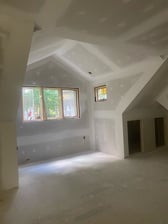
Top-rated drywall pros.

Get matched with top drywall pros in Peterborough, NH

Enter your zip and get matched with up to 5 pros

Need a pro for your drywall service project in Peterborough, NH?

Select your specific project to find the pro for you.

TRUSTED BY PETERBOROUGH, NH HOMEOWNERS

  • Average homeowner rating star icon5
    Average homeowner rating
  • Verified reviews icon12
    Verified drywall services reviews

Find Drywall pros in Peterborough

Avatar for Hernandez FR Construction, LLC
Hernandez FR Construction, LLC
4.8(
5
)
Drywall - RepairDrywall - InstallDrywall - Install - For Business+1 more

Serving Peterborough, NH and surrounding areas

Approved

In business since 2021

Free estimates

Warranties offered

"They were the only company that called immediately. Daniel and his Team very prompt, professional and started the job immediately as stated. Every other landscaping company to date have been the complete opposite. I look forward to having them year round."
Response time1 day
3 neighbors recently requested a quote
Recommended by100%of homeowners
Avatar for ApexBuilds
ApexBuilds
4.0(
4
)
Drywall - Install

Serving Peterborough, NH and surrounding areas

Approved

In business since 2020

Free estimates

Emergency services offered

"They did a fantastic job with my driveway. They managed to expand it so it can park all my cars and so I can pull in and out easily. I highly recommend them for everyone who wants their project to be done as soon as possible because they have great availability."
TRENCH
land clearing
land clearing
drainage trench
drainage trench

+94

Response time1 day
Response rate100%
28 neighbors recently requested a quote
...
Showing 1-10 of 178
Drywall questions, answered by experts

Most repairs take 1-3 days, depending on drying times for joint compound and paint touch-ups.

Most drywall used for interior walls of homes is 1/2-inch thick. This size strikes a balance of being easy to handle and hang while being thick enough for the durability needed on interior wall applications.

While it’s most common to sand plaster dry, it is possible to wet-sand plaster, too. Doing so can reduce the amount of plaster dust released into the air and make it easier to work in smaller, more delicate areas (such as around wall trim). However, some people find that wet sanding leads to more imperfections, which is why larger walls are more often dry sanded to ensure an even finish.

Yes, professionals often repair minor wall openings made for insulation injection to restore the surface.

Although they have similar applications, spackle and joint compound are not the same. Their primary differences lie in their composition, consistency, and ideal use cases.

Spackle is composed of gypsum and binding agents, making it thicker than joint compound. It dries quickly and is easy to sand, which makes it ideal for small wall repair projects like filling nail holes or patching minor damage.

Joint compound, also known as drywall mud, consists of limestone and gypsum. It is primarily used for large-scale projects, such as taping and finishing the seams on newly installed drywall. It tends to shrink more than spackle and can be more difficult to spread.

While both products can be used to fill small depressions and cracks, spackle cannot replace joint compound for taping and mudding new drywall. Conversely, you can often use joint compound for small patching jobs typically done with spackle.

The Peterborough, NH homeowners’ guide to drywall services

From average costs to expert advice, get all the answers you need to get your job done.