


Top-rated generator install pros.

Best generator install pros near Stratham, NH

Enter your zip and get matched with up to 5 pros

Need a pro for your generator install project in Stratham, NH?

Select your specific project to find the pro for you.

TRUSTED BY STRATHAM, NH HOMEOWNERS

  • Average homeowner rating star icon4.4
    Average homeowner rating
  • Verified reviews icon24
    Verified generator installs reviews

Top-Rated Generator install pros in Stratham - Updated Nov 2026

Avatar for Loyal Lab Electric & Generators
Loyal Lab Electric & Generators
5.0(
5
)
Fixed Generator - InstallPortable Generator - InstallFixed Generator - Repair

Serving Stratham, NH and surrounding areas

Approved

In business since 2025

Free estimates

Emergency services offered

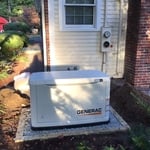
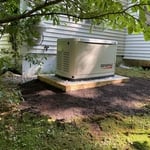
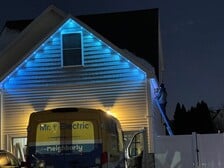
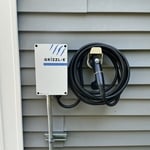
Loyal Lab Electric & Generators is a locally owned electrical contractor serving Dover, Portsmouth, Rochester, and the NH Seacoast from our base in Somersworth, NH. Owner and NH Master Electrician Eric Hope has been in the trade since 2008 and founded this company in 2018. \n\nWe are an authorized Generac dealer with certified service technician's on staff, specializing in whole-home generator installation, electrical panel upgrades, EV charger installation, and electrical repairs. We serve residential customers across the NH Seacoast and southern Maine. NH Master Electrician License 13956. \n\nEvery job we complete donates to The Rusty Fund, supporting local dog rescues through our partnership with Pope Memorial Humane Society in Dover.

Past Projects
Past Projects
Past Projects
Past Projects
Past Projects

+13

20 neighbors recently requested a quote
Avatar for Moses Electric Inc
Moses Electric Inc
5.0(
11
)
Fixed Generator - InstallFixed Generator - RepairGenerator - Install+4 more

Serving Stratham, NH and surrounding areas

Approved

In business since 2011

Emergency services offered

Customers say: True professional

"Scott was amazing ! He is professional, punctual, and precise in his work! He has done both outdoor and indoor electrical installations and we know that he is a master electrician that we can trust and count on to perform outstanding work. We are thrilled to have him as a professional that we can depend to do a marvelous job! We recommend him unconditionally!"
Additional Photos
Additional Photos
Additional Photos
Additional Photos
Additional Photos

+1

Response time5 hrs
Response rate100%
9 neighbors recently requested a quote
...
Showing 1-10 of 97
Generator Install FAQs, answered by experts

Potential benefits of using a natural gas generator include reducing your carbon footprint, lower likelihood of carbon monoxide exposure, budget-friendly operating costs, and low-maintenance, continuous fuel supply. Some possible drawbacks, though, include higher initial installation costs, dependency on a natural gas supply, and installation complexity. Keep in mind that pros and cons will vary based on the type and brand of natural gas generator. 

Energy output depends on turbine size, average wind speed at your site, and system efficiency. A 5 kW turbine in a good wind location can generate 8,000 to 12,000 kilowatt-hours per year, which may cover a large portion of an average home’s needs. Accurate output estimates require a professional wind assessment and a review of your household’s energy usage patterns.

Whole-house generators can run continuously for extended periods, even for weeks at a time (around 400 to 500 hours), as long as they have a sufficient fuel supply. However, this type of extensive use will increase wear and tear and can shorten the generator's overall lifespan. During long periods of operation, it's important to check and refill the engine oil as needed, potentially as frequently as daily depending on the model. If your generator uses a fuel tank, ensure it is kept full to prevent unexpected shutdowns.

Generators are safe to use as long as they are installed and operated correctly according to the manufacturer's recommendations. The most critical safety tips are to never use a portable or fuel-powered generator inside an enclosed space due to the risk of lethal carbon monoxide poisoning; always operate it outdoors where fumes can dissipate away from your home. Additionally, never attempt to connect a generator to your home’s electrical panel yourself—hire a professional to ensure the setup meets safety standards. Finally, avoid overloading the generator by not connecting more appliances than it is rated for, as this can damage your equipment or cause a fire.

To determine the right size generator for your house, you should calculate the total wattage of the appliances and devices you want to power during an outage. List all essential items, note their start-up wattages, and add them together.

Here are some typical wattage requirements for common appliances:

  • Refrigerator: 600 watts

  • Large dehumidifier: 700 watts

  • Large window air conditioner: 1,400 watts

  • Water heater: 3,000 to 4,500 watts

  • Electric furnace: 5,000 to 25,000 watts

A 7,500-watt generator might be sufficient for essentials like a refrigerator, freezer, well pump, and lighting circuits. However, for high-demand items like a water heater or furnace, a whole-home generator is a better choice. A portable generator may be enough if you only need to power a few critical items.

While home square footage can offer a rough estimate, it is not always a reliable indicator. For reference, here are some typical generator sizes based on square footage:

  • 1,000 sq ft: 6–9 kW

  • 1,500 sq ft: 7–10 kW

  • 2,000 sq ft: 10–14 kW

  • 2,500 sq ft: 12–16 kW

  • 3,000 sq ft: 16–20 kW+

For the most accurate sizing, consult a professional who can calculate your home's peak and average power consumption and recommend the optimal generator.

The Stratham, NH homeowners’ guide to generator installs

From average costs to expert advice, get all the answers you need to get your job done.