



Top-rated tree service pros.

Get matched with top tree service pros in Salisbury, NH

Enter your zip and get matched with up to 5 pros

Need a pro for your tree service project in Salisbury, NH?

Select your specific project to find the pro for you.

TRUSTED BY SALISBURY, NH HOMEOWNERS

  • Average homeowner rating star icon4.8
    Average homeowner rating
  • Verified reviews icon94
    Verified tree services reviews

Find Tree service pros in Salisbury

Yager Transportation & Excavation
New to Angi
Tree Stump - Remove

Serving Salisbury, NH and surrounding areas

Approved

In business since 1997

Free estimates

Offers commercial services

We are dedicated to providing our clients with the very best in excavation and building site services. We specialize in residential and commercial services and take pride in the attention to detail put into each of the projects we're involved with. We're known for our quality work and the integrity of our business. We look forward to building long-term relationships with our clients, and guarantee your satisfaction.

...
Showing 1-10 of 99
Tree Service questions, answered by experts

The lifespan of a bird's nest depends on the species. The building process can take from two days to three weeks. Once built, the nesting period for baby birds can last from two to ten weeks before they leave the nest. While most young birds are ready in two to six weeks, some predatory species may need up to two and a half months. Some species nest four to five times per year, so a nest could remain in use for several months. For specific information about a particular nest's longevity, it is best to consult a wildlife professional.

While the fastest way to kill a tree is to simply cut it down, there are several other methods to choose from. You should hire a professional tree removal service to cut down a tree to ensure your personal and property safety. Some slower but effective options include treating or grinding the tree stump or using a basal bark treatment. 

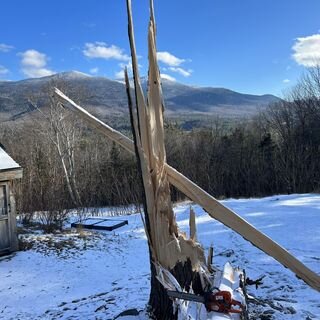
A tree can split because of high winds, a change in temperature, or from an infestation or tree disease. All of these factors can overlap, making a single cause difficult to pinpoint. While winter storms are some of the most common causes for a tree to split, it can also happen because of termites or rot.

In most ways, palm trees are incredibly low-maintenance. They don’t need a ton of water—which is why they’re so beloved in desert regions—and they basically prune themselves. But they do need an ample supply of sunlight and to be in soil that will allow for proper drainage so that their roots don’t become waterlogged and at risk of developing illnesses.

If the plant begins to wilt, develop spots, or change color, these could all be signs that your palm tree has a disease. But a few basic treatments, like pruning and applying fungicide, will usually be more than enough to return it to perfect health.

Yes, it’s okay to trim low branches on a tree, also known as limbing up or raising the crown. Essentially, you’ll trim the lower third of the tree (trunk) and leave the upper two-thirds of the tree (crown). Arborists recommend trimming 20% of a tree’s leaves per season for two to three seasons. Trimming low branches allows light to flow through the tree, increasing circulation and making the tree stronger and healthier.

The Salisbury, NH homeowners’ guide to tree services

From average costs to expert advice, get all the answers you need to get your job done.