Top-rated tree service pros.

Get matched with top tree service pros in Sanbornton, NH

Enter your zip and get matched with up to 5 pros

Need a pro for your tree service project in Sanbornton, NH?

Select your specific project to find the pro for you.

TRUSTED BY SANBORNTON, NH HOMEOWNERS

  • Average homeowner rating star icon4.7
    Average homeowner rating
  • Verified reviews icon144
    Verified tree services reviews

Find Tree service pros in Sanbornton

Max Development, LLC
4.9(
19
)
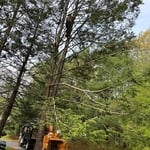
Tree Removal

Serving Sanbornton, NH and surrounding areas

Approved

In business since 2005

Free estimates

Emergency services offered

"First to return call and visit for quote. Extremely reasonable rates. Worked quickly and safely. Very professional and thorough cutting of 13 large trees and independently pointed out some dead trees that could have caused problems and removed them also. Super clean up of site after cutting. Excellent communication throughout. Will hire again in the future. Highly recommend John Max."
Response time2 days
1 neighbors recently requested a quote
Recommended by94%of homeowners
Avatar for Tomahawk Excavation
Tomahawk Excavation
4.5(
2
)
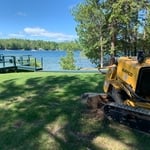
Tree Stump - Remove

Serving Sanbornton, NH and surrounding areas

Approved

Free estimates

Emergency services offered

Small jobs welcome

"The owner is a first responder like myself, I couldnâ t find anyone to clear my land but with his busy schedule he was able to fit me in very fast, very affordable pricing, and extremely professional. I plan on using him for my future lots as well."
Underground utilities
1 neighbors recently requested a quote
Recommended by100%of homeowners
...
Showing 1-10 of 77
Tree Service questions, answered by experts

Generally, you’ll want to prune back the trunk by 1 to 2 feet each year to promote bushy growth. Doing so concentrates vegetative buds closer to the bottom of the tree, where you can easily harvest fruit. For side shoots that are a year old, leave at least six leaves. 

Never remove more than 30% of a tree’s foliage during pruning—even if your tree is really overgrown. Removing this much foliage at a time could kill your tree.

Dying trees and even dead trees can spread diseases to other living trees. There are many different types of tree diseases, so it’s essential to address the issue as soon as possible to prevent the disease from spreading to other healthy trees. If the tree cannot be saved and is infected, you need to have it removed to protect the other trees on your property.

For safety reasons, leaning trees are best removed by a professional, as they may often tear away from the hinge, causing you to lose control over where the tree falls. If you choose to cut down a tree leaning slightly, avoid cutting off root protrusions before you start. Make your hinge a little longer than usual by cutting it deeper (up to 30% of the diameter) and applying a wedge into the felling cut on the side the tree is leaning. Stand away from the direction the tree leans while making your felling cut.

In most cases, leaving tree roots underground is not a problem if the stump has been removed or ground below the soil. However, some larger roots may decompose, leaving dents in your soil. Additionally, some aggressive trees, including willows, oaks, elms, maples, and poplars may grow back from roots. Large aggressive trees with established root systems are more likely to grow back.

Yes, healthy and well-placed large trees can boost property value by an average of 3% to 15%. They improve curb appeal, offer energy savings through shade and wind protection, and are often considered by appraisers during home valuation. On the flip side, removing dead or hazardous trees can also increase value by eliminating safety risks. For the biggest return, choose low-maintenance, native species that thrive in your climate.

The Sanbornton, NH homeowners’ guide to tree services

From average costs to expert advice, get all the answers you need to get your job done.