



Top-rated tree service pros.

Get matched with top tree service pros in Franklin, NH

Enter your zip and get matched with up to 5 pros

Need a pro for your tree service project in Franklin, NH?

Select your specific project to find the pro for you.

TRUSTED BY FRANKLIN, NH HOMEOWNERS

  • Average homeowner rating star icon4.8
    Average homeowner rating
  • Verified reviews icon60
    Verified tree services reviews

Find Tree service pros in Franklin

Yager Transportation & Excavation
New to Angi
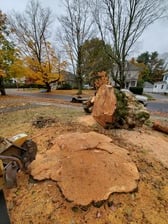
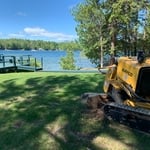
Tree Stump - Remove

Serving Franklin, NH and surrounding areas

Approved

In business since 1997

Free estimates

Offers commercial services

We are dedicated to providing our clients with the very best in excavation and building site services. We specialize in residential and commercial services and take pride in the attention to detail put into each of the projects we're involved with. We're known for our quality work and the integrity of our business. We look forward to building long-term relationships with our clients, and guarantee your satisfaction.

...
Showing 1-10 of 80
Tree Service questions, answered by experts

No. Most of the time, suckers are only a sign that the tree is experiencing stress. However, they can also be the canary in the coal mine, letting you know that something else is stressing your tree. If you have lots of suckers on your tree, calling in an arborist or a tree care expert is always a good call to determine the cause and develop a solution that de-stresses your tree.

Some trees will bounce back just fine, and others will struggle and possibly die. Evergreens, for instance, have a very difficult time recovering after droughts and usually die after periods of extreme dryness. Usually, you’ll have to just wait and see—if the drought occurs in wintertime, it’s possible that your tree will recover during the gentler springtime.

If a tree stump is removed properly, the chances of a tree growing back are low. However, if a tree has a robust root system, roots can sometimes sprout and someday grow into a tree. The chance of regrowth will depend on several factors such as the type of tree, soil quality, and strength of the root system. In general, it is not recommended to plant a tree where a stump was removed.

The best time to transplant a tree is when it is dormant. For many trees, this means either in the fall after the leaves have dropped (around October or November) or in early spring before new growth begins (around March). The ideal timing can depend on the type of tree. Deciduous trees do well when moved in early spring or fall, while evergreens are best transplanted in early spring or late summer. For example, pine trees are best moved in early fall, but maples prefer late fall. Avoid transplanting in winter, as the frozen or hard, cold soil poses a significant risk to the roots and prevents the tree from acclimating properly.

In most cases, leaving tree roots underground is not a problem if the stump has been removed or ground below the soil. However, some larger roots may decompose, leaving dents in your soil. Additionally, some aggressive trees, including willows, oaks, elms, maples, and poplars may grow back from roots. Large aggressive trees with established root systems are more likely to grow back.

The Franklin, NH homeowners’ guide to tree services

From average costs to expert advice, get all the answers you need to get your job done.