





Top-rated excavation pros.

Best excavation pros near York, NE

Enter your zip and get matched with up to 5 pros

Need a pro for your excavation project in York, NE?

Select your specific project to find the pro for you.

Top-Rated Excavation pros in York - Updated Nov 2026

Avatar for Fieldcrest Outdoor Solutions
Fieldcrest Outdoor Solutions
New to Angi
Landscape - Minor Grading or Resloping

Serving York, NE and surrounding areas

Approved

Emergency services offered

Warranties offered

Small jobs welcome

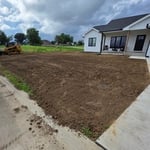
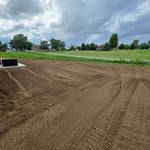
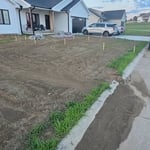
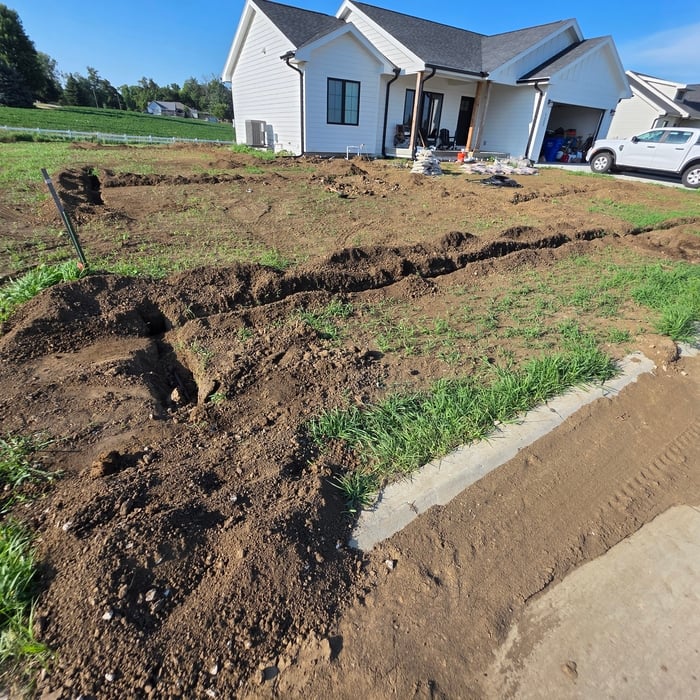
Fieldcrest Outdoor Solutions provides professional irrigation, lawn installation, and outdoor improvement services built on precision, reliability, and clean workmanship. We design and install high‑quality sprinkler systems, drainage solutions, landscape borders, and rock beds that are engineered to perform and made to last. Every project is planned with accuracy, from trenching and head layout to backflow integration and system testing, ensuring homeowners get efficient coverage, dependable water flow, and a yard that looks intentional and well‑finished.We focus on doing the job right the first time with clear communication, honest expectations, and contractor‑level quality. \n\nWhether it’s a full irrigation system, new lawn installation, or detailed landscape work, Fieldcrest delivers durable results and a clean, professional finish every time.

Backflow Preventer
Grade Correction
Grade Corrections
Irrigation Planning
Trench Work

+1

Clifton Land Leveling and Excavation
New to Angi
Building Site - Preparation and ClearingExcavation - Major Grading or ReslopingExcavation - Major Grading or Resloping - For Business+1 more

Serving York, NE and surrounding areas

In business since 2017

Free estimates

Credit card accepted

Clifton Land Leveling and Excavation is committed to excellence in every aspect of our business. We uphold a standard of integrity bound by fairness, honesty and personal responsibility. Our distinction is the quality of service we bring to our customers. Accurate knowledge of our trade combined with ability is what makes us true professionals. Above all, we are watchful of our customers interests, and make their concerns the basis of our business.

Showing 1-10 of 12
Excavating FAQs, answered by experts

Digging a bush up by the roots is the most natural DIY method for removing a bush stump. Start by identifying the shrub type and revealing its roots. Cut the shrub to its base and loosen the soil, ensuring no utility lines are nearby. Optionally, treat the base with herbicide, then dig around the roots and cut a circle around the shrub using various tools. Dig a trench, cut the base of the root ball, and finally fill the hole to prevent regrowth. This thorough process ensures complete removal without damaging surrounding areas.

Call 811 to locate and mark the gas lines at least three days before digging. In many areas, you can dig within 18 inches of the lines, though in some locations, the distance may be further. Check local regulations, as you may need a utility company representative onsite when digging. Document your calls to 811 and precautions taken to avoid gas lines. A homeowner can be held liable for hitting a gas line in some cases, but contacting the proper authorities and following all guidelines can offer protection.

Yes, trenchers can go through gravel. Gravel is made up of smaller, softer rocks that certain trenchers are able to cut through. Just be sure to use a rock wheel trencher or chain trencher, both of which are made to cut through rocky landscapes and gravel pathways without dulling the teeth or chain.

There is no standard depth for burying a septic tank; they are typically buried anywhere from 4 inches to 4 feet underground. The final depth depends on several factors, including the depth of your main sewer line, the height of the bedrock, soil type, local regulations, and the property's landscape. If you plan to grow grass or plants over the tank, a depth of at least 4 to 6 inches is recommended. Deeper tanks can be more difficult to locate, but a septic professional can help find it for you.

The best method for digging a trench depends on the scope of the project. For a short, shallow trench (less than 2 feet deep) in light, soft soil, digging by hand may be sufficient. However, digging by hand is labor-intensive, so consider the effort required. A machine trencher is the better option for longer trenches (over 100 feet), deeper ones, or when dealing with difficult soil conditions, such as rocky or hard ground, or obstructions like tree roots. A machine can save significant time and energy in these situations.

The York, NE homeowners’ guide to excavation services

From average costs to expert advice, get all the answers you need to get your job done.