



Top-rated fencing pros.

Get matched with top fencing pros in Syracuse, NE

Enter your zip and get matched with up to 5 pros

Need a pro for your fencing service project in Syracuse, NE?

Select your specific project to find the pro for you.

Find Fencing pros in Syracuse

BK Outdoors
5.0(
2
)
Barbed Wire Fence - InstallBarbed Wire Fence - RepairChain Link Fence - Install+7 more

Serving Syracuse, NE and surrounding areas

In business since 2020

Free estimates

Emergency services offered

"Kent Lorenzen, the owner of Elite Fencing, did an outstanding job.  An example of his professionalism that pleased me was his promptness in responding to my initial request for an estimate. He was willing to work with me in order to design the type of fence that I wanted.  He shared multiple examples via email with me and answered all my questions promptly.  I loved the design that I selected and was so pleased because I had other fence companies tell me it wouldn't work.  Once the design was determined the remaining process went smoothly with excellent communication. I always knew when they would be arriving and exactly what would be done.


The only problem encountered was a delay on the delivery of materials which was not the fault of Elite Fencing; however, when the final bill arrived, he had given me a discount because of the delay.  The quality of the work was excellent, the gates installed are beautifully designed with quality hardware, the cleanup was thorough, and the total project was completed exactly as I wanted.  I am completely satisfied with the appearance of the fence and also with the courtesy displayed by his employees.  Professionalism, integrity, and pride are clearly evident in the work that he did for me.
"
Recommended by100%of homeowners
Showing 1-10 of 47
Fencing questions, answered by experts

You’ve likely been considering lots of wood fence ideas for your yard. There are many reasons why people choose split rail fences time and again. For one, they’re one of the most wallet-friendly fencing options, especially since you don’t need to use much hardware and setting the posts doesn’t require concrete or foam. So if you have a large property and want to fence it in, your best bet may be a split rail fence.

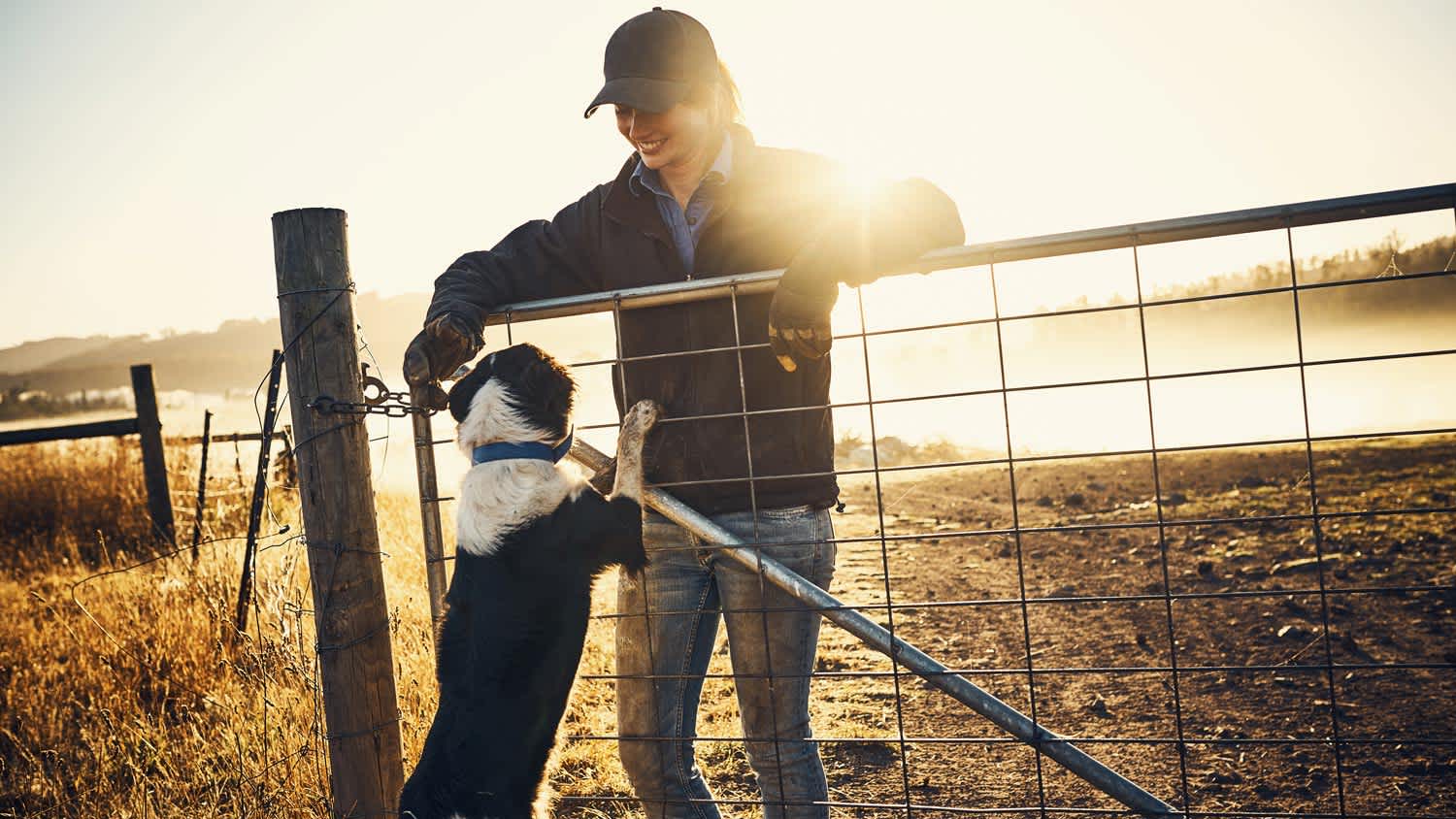
Many types of farm fencing can work well for your farm, but it depends on the type of animal you need to contain and the size of your property. If you want something quick and temporary, go with a metal T-post fence. If you need something that will last forever, go with a synthetic fence made of composite material or PVC. Electric and barbed wire fences are often chosen for docile livestock, like pigs and cows. 

The lifespan of a fence can range from 5 to 50 years, depending heavily on the material, local climate, and how well it is maintained. For example, a wooden fence might last 7 to 15 years, while a vinyl fence typically lasts 20 to 30 years. Metal, composite, and glass fences have some of the longest lifespans. Proper maintenance, such as regular cleaning, inspections, and staining or sealing for wood, is key to extending the life of any fence material. Vinyl and composite are durable options that don't require sealing.

Whether you need a permit to build or install a fence depends on several factors, including your location, the fence's height, its placement in your yard, and the materials used. In many cities and highly populated areas, a permit is required, especially for fences taller than 6 feet. Conversely, rural areas may have fewer restrictions. Typically, backyard privacy fences 6 feet or shorter do not require a permit, while front yard fences often have a lower height limit, sometimes as low as 3.5 feet. There can also be exceptions for properties in mixed residential-commercial zones. It's best to check with your local building inspection or zoning department to understand the specific requirements, height restrictions, and location rules for your area. A professional fence installer can help you navigate this process and often secure the necessary permits for you, though this may extend the project timeline.

The bottom strand should sit between 12 to 15 inches from the ground. If you have a problem with small critters, you can aim for 8 inches. Three-strand fences should be 16 to 19 inches apart, four-strand fences should be 10 to 12 inches apart, and five-strand fences should be 8 and 10 inches apart.

The Syracuse, NE homeowners’ guide to fencing services

From average costs to expert advice, get all the answers you need to get your job done.