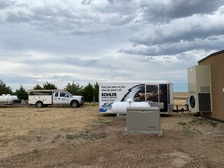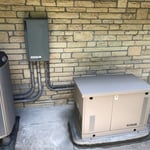



Top-rated generator install pros.

Best generator install pros near Ralston, NE

Enter your zip and get matched with up to 5 pros

Need a pro for your generator install project in Ralston, NE?

Select your specific project to find the pro for you.

Top-Rated Generator install pros in Ralston - Updated Nov 2026

Avatar for JP Electric, Inc.
JP Electric, Inc.
5.0(
21
)
Fixed Generator - InstallGenerator - Install - For Business

Serving Ralston, NE and surrounding areas

In business since 2004

Free estimates

Emergency services offered

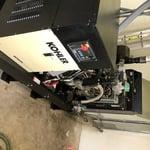
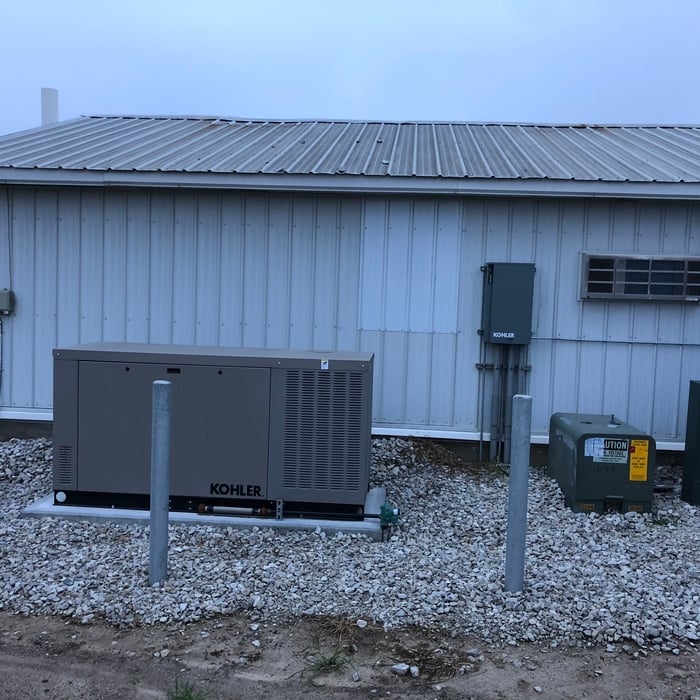
"JP Electric installed a Kohler generator for us and they did an excellent job! They were on time and on budget. The generator looks and works great and we could not be happier. HIGHLY RECOMMEND JP ELECTRIC!!!!!"
Kohler 48RCL
KOHLER 20RESD
KOHLER 20RESC
KOHLER 60KW industrial
Kohler 48RCL

+22

Response time1 day
Response rate89%
Recommended by95%of homeowners
Sendgraff Enterprises, LLC
5.0(
3
)
Fixed Generator - InstallFixed Generator - RepairPortable Generator - Install

Serving Ralston, NE and surrounding areas

In business since 2014

Free estimates

Emergency services offered

We take great pride in our experience, expertise, quality, and customer service that we provide to meet the consumer's needs. It is our mission to provide excellent workmanship and complete customer satisfaction from start to completion of a project. In order to understand the needs and expectations of our customers, we take great care to work and communicate with every customer in a professional manner. Our reputation is based on service, safety, and quality, regardless of how large or small the job.

Recommended by100%of homeowners
Showing 1-10 of 26
Generator Install FAQs, answered by experts

It is safe to run a generator continuously, but you must follow safety protocols to ensure personal and home safety. Read the manufacturer’s instructions for specific recommendations, but the general recommendation is to turn generators off overnight or when you’re away from the house. Overworked generators can pose a fire hazard and if your generator is not in a well-ventilated area, running it continuously could lead to carbon monoxide poisoning.

Sizing a generator is a careful process that requires calculating the electrical load of your entire house. You have to take into account every device you want to use and their wattage requirements, plus the wattage needed to start them, and look for a generator that can safely run all that at around 80% capacity.

In more practical terms, a small home can run on a 10,000-watt generator (and if you only want to power a few key appliances, much less than that). A mid-sized home may need something between 15,000 and 22,000 watts. Larger homes require 25,000 watts or more. 

Portable generators provide backup power for essential appliances during outages and are easy to relocate.

The amount of time a standby generator can run continuously is around 3,000 hours on average. However, standby generators can generally run indefinitely as long as they have a continuous fuel supply. Generators hooked up to a home’s natural gas supply are the best option for extended usage, as these won’t rely on a finite fuel supply based on how much you have in storage. Generators running on liquid propane or diesel won’t last as long, as these require fuel storage and regular refueling to stay running.

To determine the right size generator for your house, you should calculate the total wattage of the appliances and devices you want to power during an outage. List all essential items, note their start-up wattages, and add them together.

Here are some typical wattage requirements for common appliances:

  • Refrigerator: 600 watts

  • Large dehumidifier: 700 watts

  • Large window air conditioner: 1,400 watts

  • Water heater: 3,000 to 4,500 watts

  • Electric furnace: 5,000 to 25,000 watts

A 7,500-watt generator might be sufficient for essentials like a refrigerator, freezer, well pump, and lighting circuits. However, for high-demand items like a water heater or furnace, a whole-home generator is a better choice. A portable generator may be enough if you only need to power a few critical items.

While home square footage can offer a rough estimate, it is not always a reliable indicator. For reference, here are some typical generator sizes based on square footage:

  • 1,000 sq ft: 6–9 kW

  • 1,500 sq ft: 7–10 kW

  • 2,000 sq ft: 10–14 kW

  • 2,500 sq ft: 12–16 kW

  • 3,000 sq ft: 16–20 kW+

For the most accurate sizing, consult a professional who can calculate your home's peak and average power consumption and recommend the optimal generator.

The Ralston, NE homeowners’ guide to generator installs

From average costs to expert advice, get all the answers you need to get your job done.