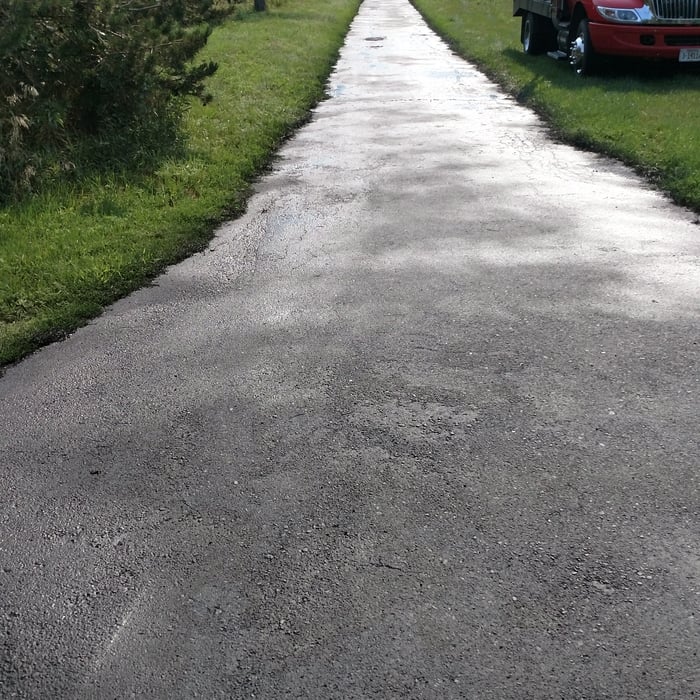
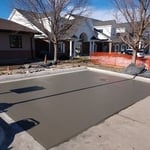
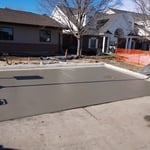
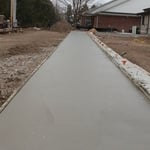
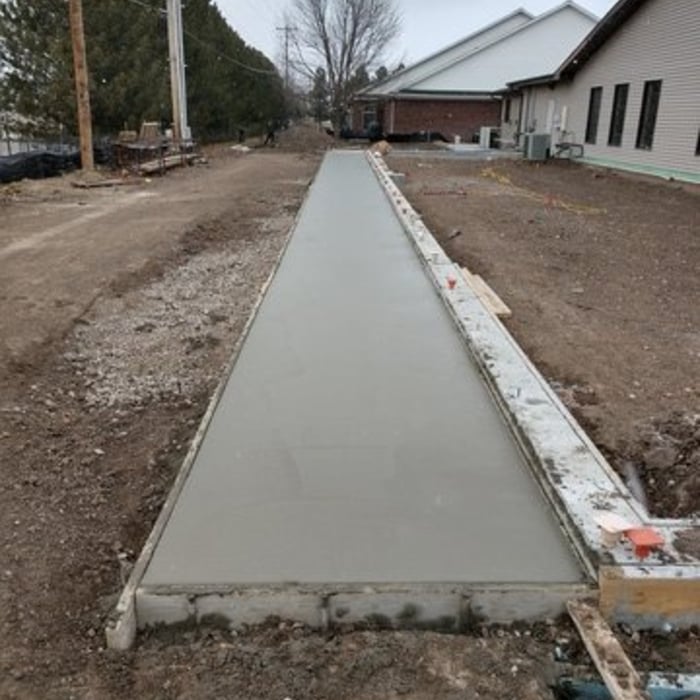
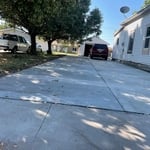
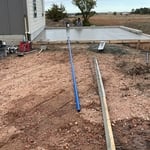
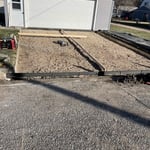
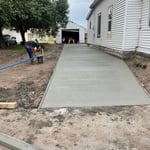
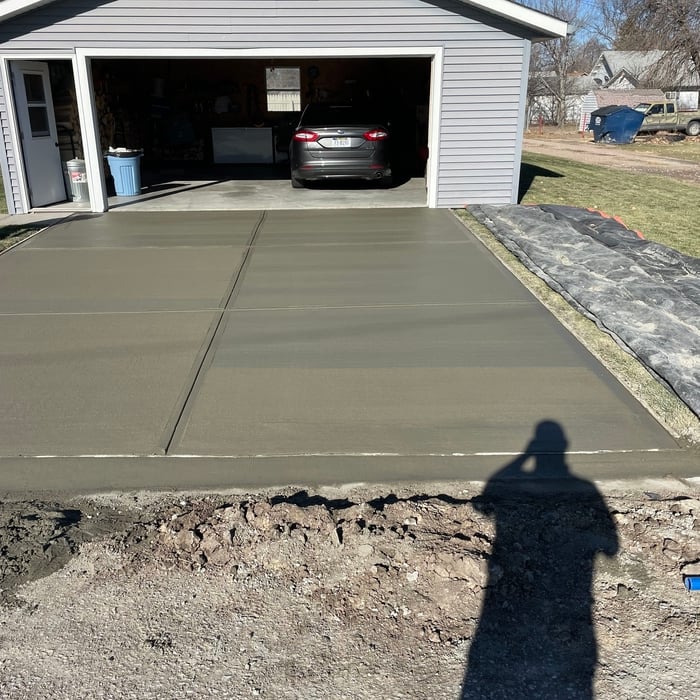
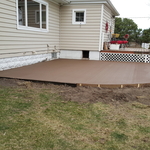
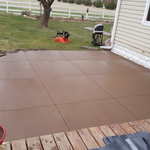
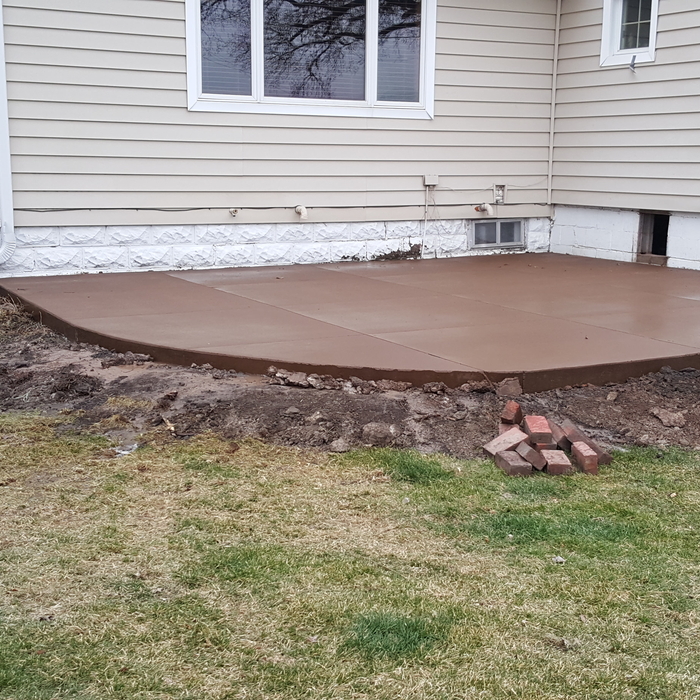
With 15 years of experience, Rhino Rock proudly serves the Lexington area. We specialize in all things related to concrete. We do patios, driveways, walkways, foundations, retaining walls and anything else you can think of. We pride ourselves on attention to detail and customer satisfaction. Call today!
"He did such an awesome job and did exactly what I asked. He even double checked all of his work and it was great. I will definitely be calling him again."
At Randy's Ag Contractors Service, we are your premier choice for concrete needs. We have provided high quality work and friendly customer service for years. Call today!
We at Midwest Plaster & Construction specialize in high quality, affordable home and business fixes and updates. We love what we do and take pride in the quality of our work. To work with the best, please give us a call and let us earn your business. You will be happy you did!
At Lawhorne Construction We have several years of experience and with our expert customer service, you can rest assured that all of your climate needs will be taken care of right away. Give us a call to set up your free estimate now. We look forward to hearing from you today
Randy Carey Concrete Construction, Inc. is excited to serve Nebraska's concrete needs! With decades of experience, owner Randy Carey knows the ins and outs of concrete. Call today for a free estimate on your next project!
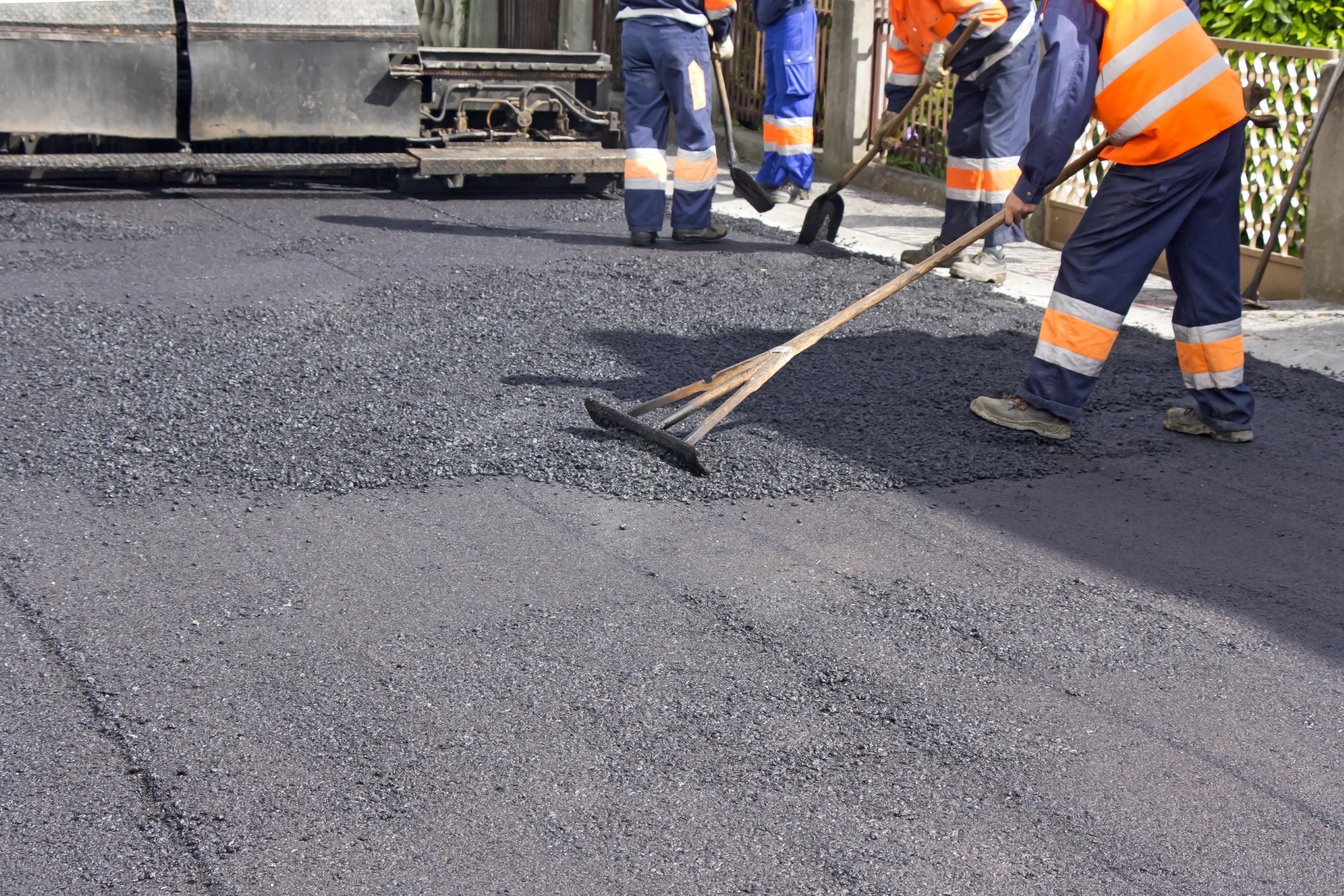
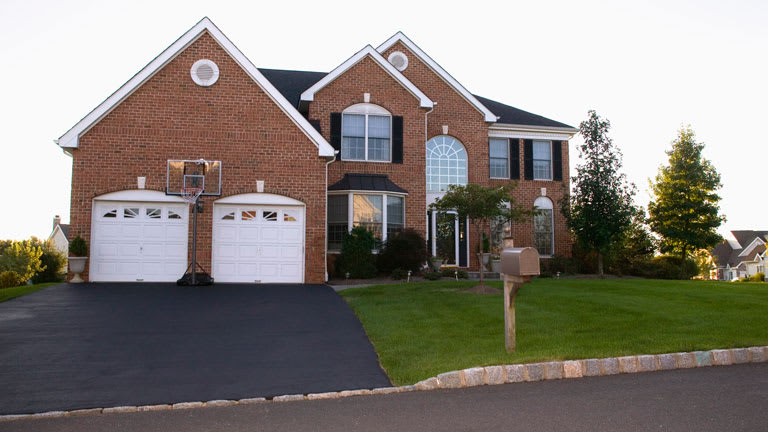
Asphalt driveways are affordable and able to withstand sub-zero temperatures. The asphalt surface makes it easy to plow snow, and it has excellent traction for slippery winter days. Another benefit: it absorbs heat from the sun and can then help to melt snow and ice more quickly than other surfaces.
When hiring an asphalt paving contractor to install your driveway, ask as many questions up front as possible. Here are a few questions to ask a prospective driveway contractor:
How many years of experience do you have?
Are you licensed, bonded, and insured?
Do you have worker’s compensation?
Do you use subcontractors on your projects?
Do you clean up after the job is done?
Who is responsible for any damage to lawn or landscaping?
Do you provide a guarantee or warranty on your work?
Do you give free estimates?
What is the timeline for completion?
How do you handle change orders?
Can you provide at least three references?
Can I see some of the work you’ve done?
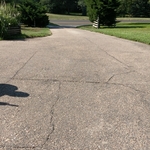
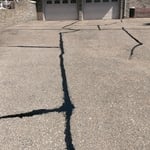
Whether you should resurface or replace your asphalt driveway heavily depends on its condition. If the foundation is solid and the damage is minor, resurfacing is your best bet because it’s more affordable and faster than replacing the driveway. But if your driveway has foundational problems and/or severe damage, like large, deep cracks and potholes, then it makes more sense to replace it.
Asphalt edging secures the sides of your driveway to prevent crumbling and cracking over time. Most driveways have edges with a 45-degree grading. This helps transfer some of the stress from the asphalt to the ground underneath. If your driveway doesn’t have proper edging, the pressure from your car may break down the edges over time.
Cobblestone is just one of many driveway materials. Other, more economical, albeit less elaborate options include concrete, asphalt, and gravel.
If you want a material that most closely resembles cobblestone, your best option is bricks or pavers. Both cost anywhere from $10 to $50 per square foot and can be laid in all kinds of patterns. Depending on the type of paver you choose, you can also get a good bang for your buck by investing in durable natural stone.
The Overton, NE homeowners’ guide to asphalt driveway services
From average costs to expert advice, get all the answers you need to get your job done.
Adding a new asphalt driveway to your home can boost its overall appearance and give homeowners a nice ROI down the line. But how long do asphalt driveways last, and what can you do to maximize their lifespans? Read this guide to find out.