"He was able to quickly diagnose that the water leak from the water heater was a result of a ruptured tank, resulting in the need to replace the entire water heater."
"Not good. The water leaks had caused black mold that had to be repaired. When repairs were completed 3 months later, the valves still leaked from the stem when turned on. It was past 60 days so I had to pay another $100 service fee to have the water leaks fixed. He tightened the packing and quoted $350 to replace the valves. Sheesh."
Here at W.A.M. Dirtworks, we are an owner operated company. We take the utmost pride in the quality of work we provide. We understand that the future of our business depends upon our reputation, that is why customer service is by far our highest priority. Please call today to schedule a no obligation estimate!
Whether you need a permit or license for a water softener installation depends on your location, as requirements vary significantly. Some municipalities require the installer to hold a plumbing license, some mandate a permit and an inspection, and others require both. In some areas, no special permit or license is needed at all.
To determine the rules in your area, you can contact your local building department or consult a local water softener installer or plumber. Often, only certified professionals are authorized to pull the necessary permits, and they will typically handle the entire permitting process for you. Regardless of local laws, it is always recommended to hire a licensed professional to ensure the system is sized and installed correctly. You can use Angi’s state licensing tool to check an installer’s license status.
The average cost to install a water softener, including the system and labor, is approximately $1,500. However, the total price can range widely from $600 to $6,000. For some complete systems, the cost may be between $800 and $2,500. Labor for the installation typically costs between $150 and $1,000.
The final price is influenced by several factors, including:
System type, capacity, and complexity
Home size and household water demands
Water hardness levels
Accessibility of the installation site and the extent of plumbing work required
Whether new electrical work is needed
The professional hired and any local permit costs
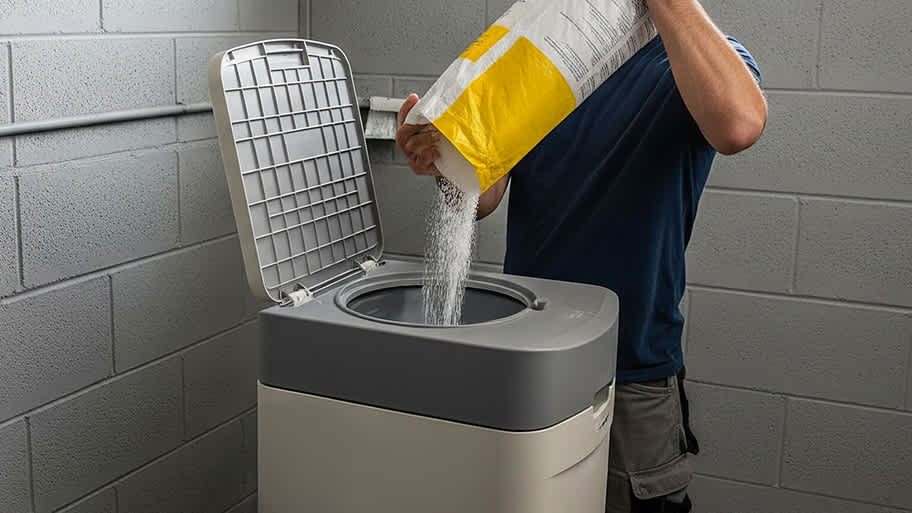
Experts recommend that you put two to four bags of potassium chloride in your water softener every month. This amount depends on how much is in the bag (40 pounds is most common) and what your water softener manufacturer recommends. For more specific advice, talk to a water softener pro in your area and read the manual that came with your system.
Softener systems extend appliance life spans, improve skin and hair health, and reduce pipe buildup by removing minerals like calcium and magnesium.
The most effective way to fix hard water in your shower is by installing a whole-home water softening system. This system treats water as it enters your home, removing the minerals that cause hardness before they can reach your shower or any other fixtures. While this is the most comprehensive solution, other methods are often temporary fixes. For a more affordable and shower-specific option, you can install a water-softening showerhead or a shower filter. However, these filters are generally less effective and may not remove all the contaminants that lead to limescale and hard water stains. By implementing a water softening solution, you can expect a reduction in mineral deposits and enjoy the benefits of cleaner-feeling hair and skin.
The Mullen, NE homeowners’ guide to water softener services
From average costs to expert advice, get all the answers you need to get your job done.
Water softeners work to remove unwanted minerals from hard water through a filtration and recharge cycle. Keep reading to learn how a water softener works.
There are four common softener alternatives available on the market today. We compare and contrast each one to help you find your best-fit solution in this blog.
Water softeners rid your home of hard minerals and, well, soften your water. Even better, the regeneration process is an automatic cycle that works when you’re least likely to use it.