We provide residential and commercial solar power options, and provide support services for industry partner companies. We offer no cost consultations and $0 down financing. Please contact our office for a consultation at (931)922-8258.
"The Tech came out and due to the parts shortage he was not able to replace the front panel so Choice warranty gave me a voucher to replace it. I'm very pleased with their services. All I paid was the service fee."
"The last was a rental company that we have and we used them for an air conditioning and heating system. It was Bototach Mechanical. It’s been a good program for us. They’re very responsive. I don’t know what the thought process was. My husband said, well let’s try these guys and so we did. We have an older home and it’s proved to be a very good deal. The quality has been pretty good, so I would give them an A for the quality. I will give you one helpful hint though. If the company decides they want to replace an appliance, you need to call them and negotiate with them because you can upgrade, but you need to talk to them in person not just do it over the internet."
Yes, you can connect an inverter directly to your solar panels without solar battery storage if your home is connected to the power grid. However, most pros don’t recommend a direct connection because solar panels don’t put out steady voltage. It’s always best to install a charge controller between your solar panel and your inverter to regulate the flow of energy and ensure a stable power supply.
In most states, solar installers need to be licensed and insured as solar professionals, although some states don’t have specific requirements for installers. You can use our state licensing tool to check if an installer you’re considering hiring holds the proper licensing. No matter where you live, a member of your solar panel installation company must be a certified electrician to connect your panels to your home and the electric grid.
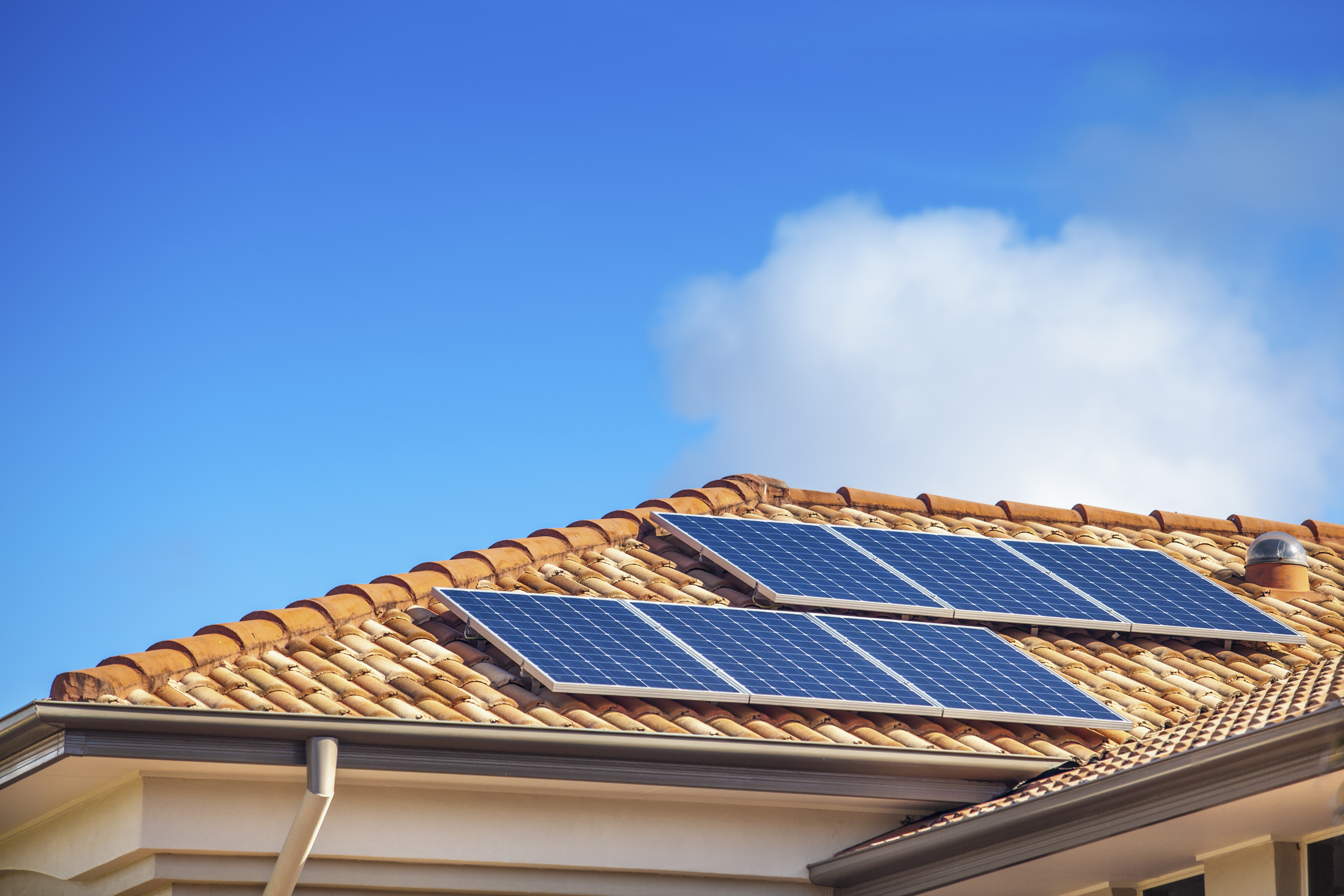
As long as your solar panels are properly installed without damage to your roof, they will not shorten the roof’s life span. Solar panels can act as a cover or barrier to your roof and help block external elements, such as debris, heat, and UV rays. Reduced exposure to the weather can extend your roof’s life.
It’s possible that installing solar panels can lead to mold on the roof. The panels themselves are not the issue. Problems caused by improper installation—such as roof leaks and mounts that aren’t sealed properly—can cause mold. Another potential cause of mold is debris accumulation under panels, which can trap moisture. If you live somewhere with extreme snow, rain, or hail, your home could be more prone to mold.
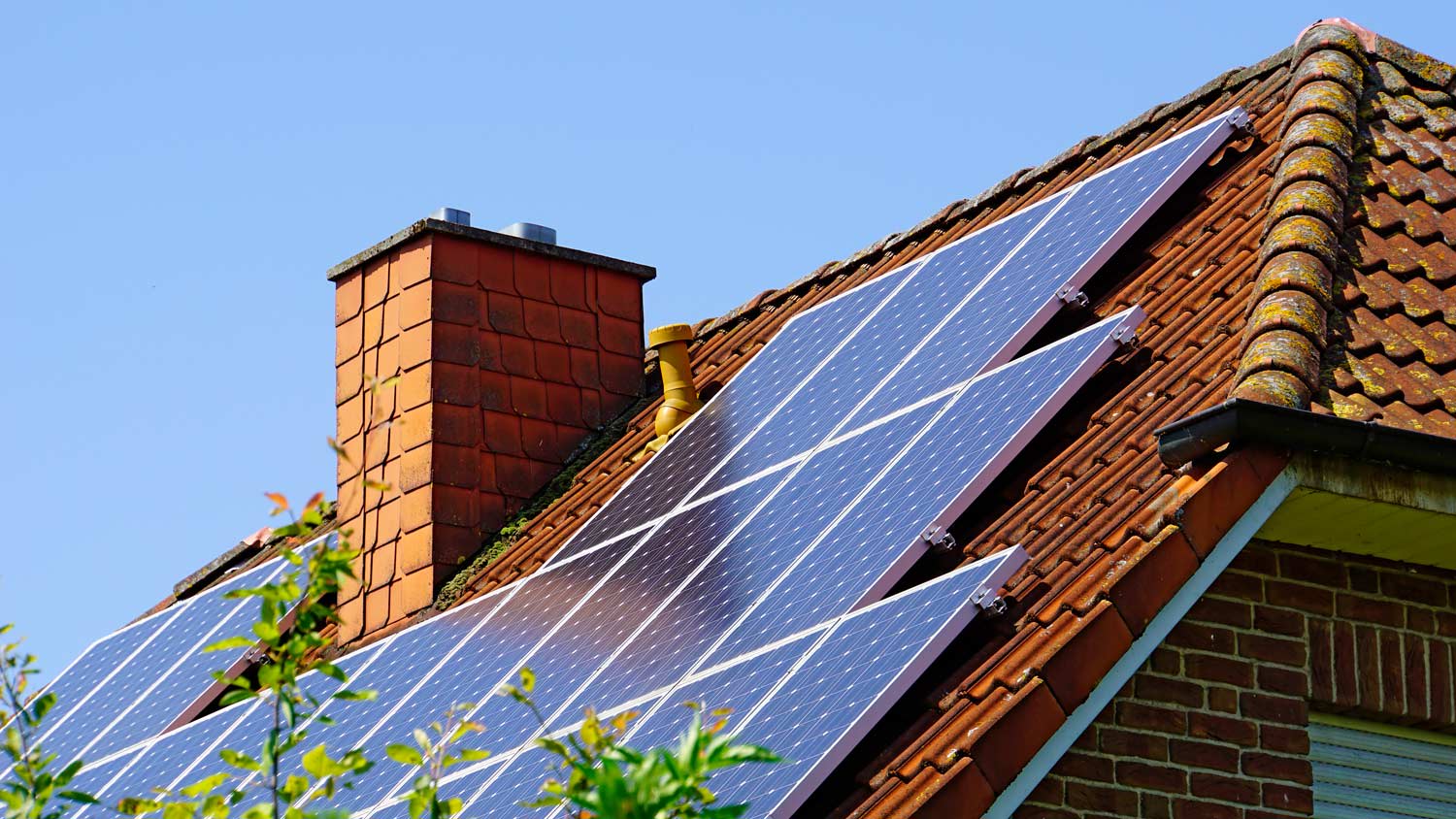
The best solar-panel mounting system will depend on your property layout, but you’ll typically want to try for south-facing panels to get the most sun. Roof mounting and wall mounting are both popular, but if your well setup is far away from buildings and other structures you can also set up a freestanding aluminum frame to mount your panels.
The Mullen, NE homeowners’ guide to solar panel services
From average costs to expert advice, get all the answers you need to get your job done.
Find out how much it costs to remove solar panels, including average prices, key cost factors, and tips to save money on your solar panel removal project.
Discover solar panel maintenance costs, including average prices, cost factors, and tips to save, empowering you to keep your solar system running efficiently.
There are three types of solar panels: monocrystalline, polycrystalline, and thin-film. Before choosing one for your home, here are the pros and cons of each.
If you’re making the switch to solar energy, you’ll want to know the difference between solar panels versus solar shingles. Here are the pros and cons of each.