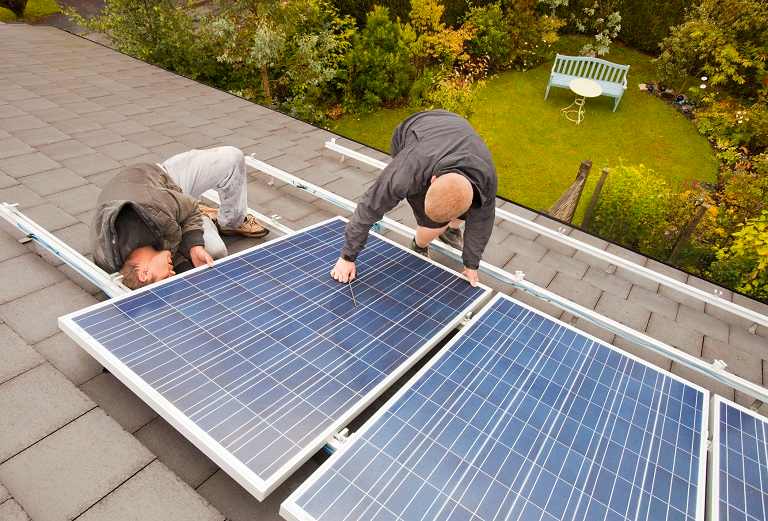
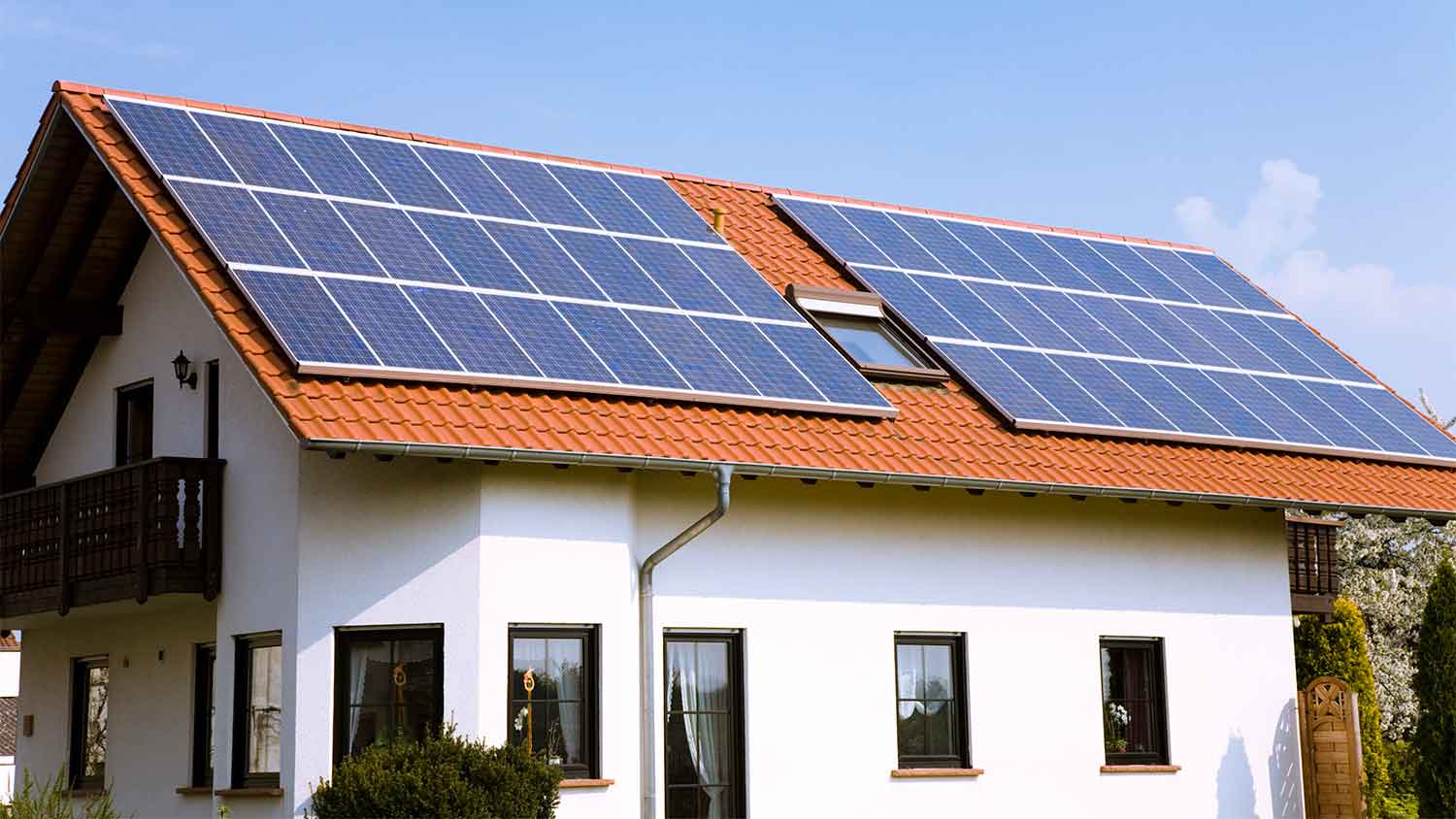
"Gabe came over, showed us what our house would look like with solar panels, and quoted us then and there. He made everything easy and understandable, and the crew was quick and professional. Great workers! Great business!"
We provide residential and commercial solar power options, and provide support services for industry partner companies. We offer no cost consultations and $0 down financing. Please contact our office for a consultation at (931)922-8258.
"1st technician came out said he had to order parts and then never came back. 1 week later sears repair came and replaced defrost panel said it was fixed. I called two days later to say it still was not working. They said I had to pay 2nd service call, even though policy says if recurring for 30 days wouldn’t have to pay. Third technician said it was compressor and it couldn’t be fixed. So, now it been 2 1/2 weeks and still no working fridge. Now they offer only 600.00$ towards replacement and to get similar fridge it cost me 1200.00."
"In 90% of the time, they were able to get a contractor to my house the same day and get my problem solved. The other 10% were next day! Can't recommend them enough!"
Owner and operator, Ryan Dietz, takes great pride in his professionalism and satisfaction of his customers. He has over 20 years experience, as well as an eye for detail and completes every job to perfection! For fast, reliable and efficient service, give us a call today.
Solar roofing shingles may qualify for significant federal tax incentives through programs like the Residential Clean Energy Credit, which offers up to 30% of installation costs through 2032. State and local governments often provide additional credits, and utility companies may offer further rebates or net metering programs, depending on the state. Just look into the qualification requirements beforehand because installation, documentation, and technical standards can impact eligibility. Consult the current guidelines and a tax professional to maximize available benefits.
In most cases, solar panels are covered by homeowners insurance because they are considered a permanently attached part of the home, and you may not need additional coverage. However, it is essential to read the fine print of your specific policy to understand the extent of the coverage, as some policies might only cover certain types of damage, such as hail. Always check with your insurance provider before installing solar panels to ensure your policy provides adequate coverage for your investment.
Yes, you have to get on the roof to cut a hole for solar tubing. It's not possible to complete the job from inside your house by simply cutting through the ceiling. So if you want to go the DIY route, remember to use safe ladder practices. If you’re not comfortable climbing on your roof to install solar tubes, hire a pro who has the tools and expertise to do the job safely.
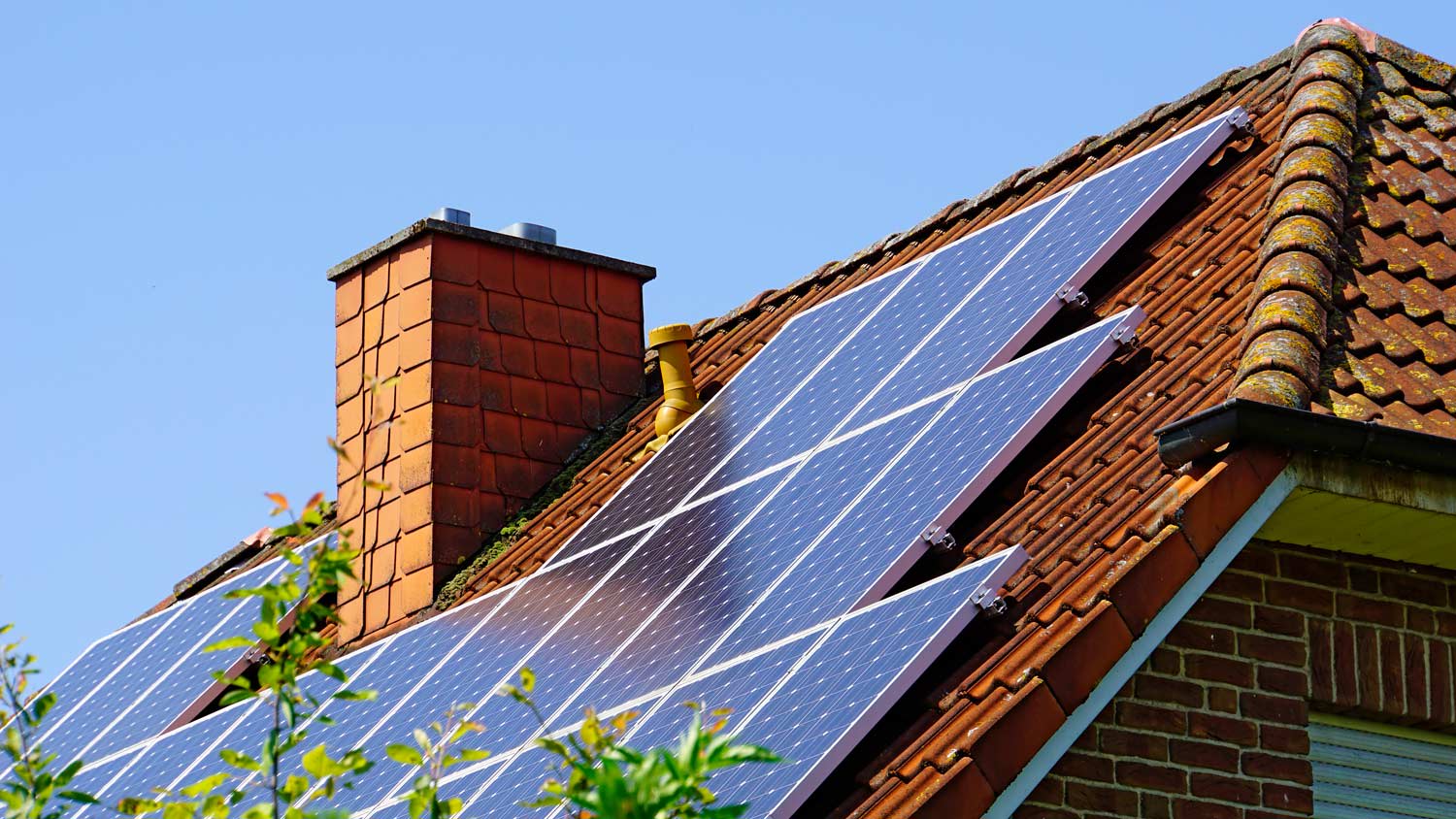
You can install solar panels on a flat or pitched roof, but keep in mind that they will need to rest at a 30- to 50-degree tilt for optimal sun absorption. It costs more to install solar panels on a flat roof because you will need to install a framing system and likely hire a structural engineer. If your roof has a pitch of more than 40 degrees, it may not be a good candidate for solar panels.
You’ll need to make sure you have a big enough solar panel to meet your well pump’s power demands, but you can use solar power to fully operate your well pump. It’s also a good idea to have battery storage to hold the solar power so you can still use your well pump after dark.
The Sargent, NE homeowners’ guide to solar panel services
From average costs to expert advice, get all the answers you need to get your job done.
There are a few factors to consider when it comes to solar panel repair costs. This guide breaks down the prices of solar panel removal, repair, and replacement.
Find out how much it costs to remove solar panels, including average prices, key cost factors, and tips to save money on your solar panel removal project.
Residential solar panel dimensions can vary slightly from brand to brand, but this guide can help you understand the basics and choose the best option.
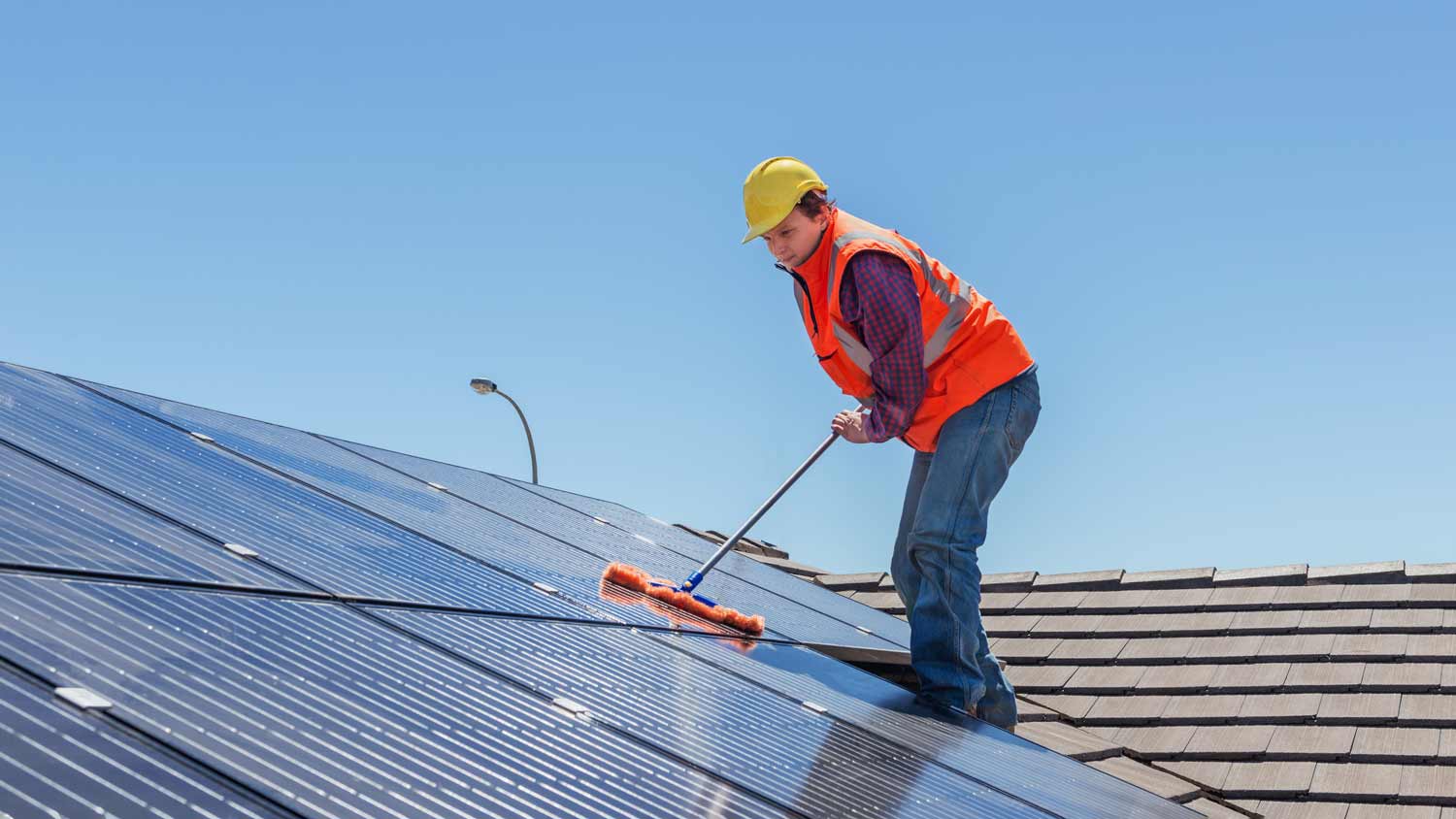
Solar panels are low-maintenance but occasionally require some elbow grease. This guide will help you learn how often solar panel maintenance is required.