





Top-rated mold testing and remediation specialists.

Get matched with top mold testing and remediation specialists in Mitchell, NE

Enter your zip and get matched with up to 5 pros

Need a pro for your mold testing and remediation project in Mitchell, NE?

Select your specific project to find the pro for you.

Find Mold testing and remediation specialists in Mitchell

Avatar for American Home Shield – Home Warranty
American Home Shield – Home Warranty
3.5(
5,688
)
Dry-rot, Water or Pest Damage - Major Repair

Serving Mitchell, NE and surrounding areas

In business since 1971

Credit card accepted

"AHS is ok. They cover repairs of most everything under the roof of your house. The companies that contract with them are not always the best. You call AHS with the issue, they send a fax to the repair company and give you the contact info. If they don't contact you within 24 hours, you call them. Sometimes they answer, sometimes they don't. When they arrive (usually three days or so later), they service the item. if it has issues within the 90 days, you call AHS again, they are sent out with no charge. If the serviceman decides the unit is unrepairable, AHS will allow you to choose a replacement from their listing (usually not as good as what you have) they will install and remove your old item, or give you wholesale amount to buy and install your own. Prices vary on what you want covered and what you want the copay to be, plus where you live. For me it is 49.99 per month with a 75.00 time of service order. You can have more than one item serviced at the same time under the same fee. If you have a SEAR product the repair guys are great. Not that wild about the other ones they send out. But it is a big savings compared to calling someone on your own. The cost of service is only the 75.00 copay."
Additional Photos
Additional Photos
Additional Photos
Additional Photos
Additional Photos

+2

Recommended by65%of homeowners
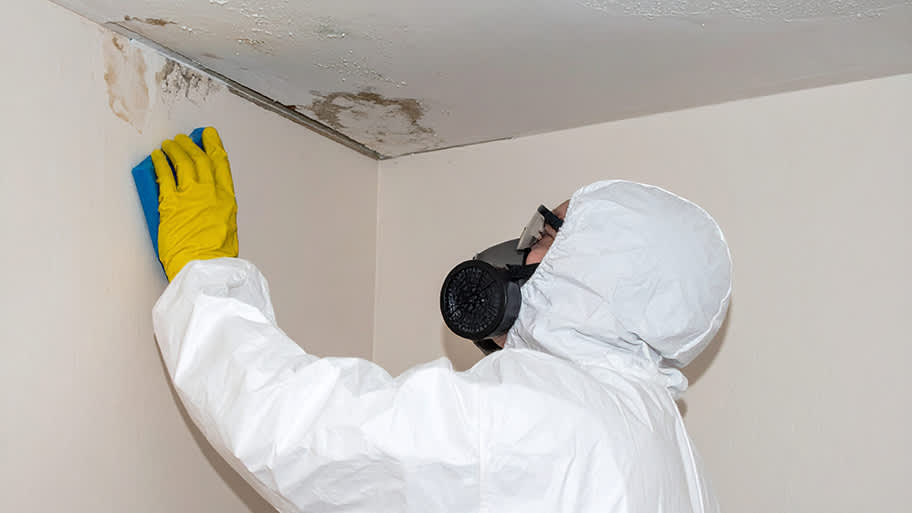
Mold Testing and Remediation questions, answered by experts

According to the EPA, mold grows within 24 to 48 hours if left untreated after a water leak. So unless you notice the leak and stop it right away, you only have a day or so before mold is a real concern. If you don’t notice the leak, it can take about three weeks for the mold spores to become visible. That means you’ve likely had an active mold infection for a few weeks by the time you notice discoloration.

Mold loves a moist environment, so the best way to keep it from returning is to keep your machine as dry as possible. Take laundry out of the machine as soon as you can after a cycle finishes. If your laundry room is humid, consider using a dehumidifier or at least running a fan to increase airflow.

It's also a good idea to leave the washing machine door open when it's not in use, to improve airflow and keep the interior dry.

Painting over mold is not an effective solution and can actually make the problem worse. Instead, it traps moisture, which allows mold to grow and spread beneath the surface. Mold must be completely removed before painting to ensure the problem doesn’t recur. If mold is painted over, it may eventually seep through the new layer of paint, causing discoloration and peeling.

Drywall can be toxic to the environment and to humans in some cases. As drywall breaks down in a landfill and comes in contact with other organic chemicals, it can create hydrogen sulfide gas or leach into the groundwater. Additionally, the CDC recommends methods for controlling the inhalation of drywall dust when handled. While the common ingredients of drywall—gypsum, silica, and mica—are naturally occurring, they can cause irritation in some humans.

The primary difference is that black mold (Stachybotrys chartarum) is considered toxic and more dangerous than regular mold. It can produce harmful chemicals called mycotoxins, which may lead to severe health issues like respiratory problems, skin irritation, headaches, and other long-term complications. While regular mold is rarely toxic, it can still cause allergic reactions and respiratory irritation. Visually, black mold often appears dark—green, gray, brown, or black—with a fuzzy texture, whereas regular mold can be almost any color. Black mold is less common and typically grows in areas with severe water damage. Regardless of the type, you should not ignore any mold infestation in your home.

The Mitchell, NE homeowners’ guide to mold testing and remediation services

From average costs to expert advice, get all the answers you need to get your job done.