



Circle B Mobile Welding LLC
Chain Link Fence - Install
Serving Indianola, NE and surrounding areas
Approved
Offers commercial services
"Hard working, had me going soon."
5 neighbors recently requested a quote

*The Angi rating for Fencing Service companies in Indianola, NE is a rating based on verified reviews from our community of homeowners who have used these pros to meet their Fencing Service needs.
*The HomeAdvisor rating for Fencing Service companies in Indianola, NE is a rating based on verified reviews from our community of homeowners who have used these pros to meet their Fencing Service needs.
Last update on May 17, 2025
Serving Indianola, NE and surrounding areas
Approved
Offers commercial services
"Hard working, had me going soon."
Serving Indianola, NE and surrounding areas
Approved
In business since 2018
Free estimates
Credit card accepted
"It was fast service, well done, answered all of my questions and gave me a lot of ideas with me."
Serving Indianola, NE and surrounding areas
In business since 2005
Free estimates
Emergency services offered
"It went very well. They got it done in a timely manner and everything was great. I would definitely use them again in the future."
Serving Indianola, NE and surrounding areas
In business since 2006
Credit card accepted
"Perfect! It came out what I wanted it to be. No issues or anything."

+40
Serving Indianola, NE and surrounding areas
In business since 2024
Free estimates
Offers commercial services
"Very pleased with overall experience. Very respectful and professional and on time got the job done quick."
Serving Indianola, NE and surrounding areas
In business since 2019
Free estimates
Credit card accepted
"Was very easy to communicate with."

Serving Indianola, NE and surrounding areas
In business since 1989
Free estimates
Emergency services offered
"I only use James when I need some work done to my house. He responds fast, gets the work done quicker than just about anyone else I've ever used and seems very concerned with leaving his customers happy."


Serving Indianola, NE and surrounding areas
In business since 2022
Free estimates
Credit card accepted
Thank you for visiting JG Build & Remodel! We are your locally owned and operated general contractor based in McCook, NE. We service residential clients throughout Red Willow County and the surrounding areas. Contact us now for your free estimate--we look forward to working with you soon!
Serving Indianola, NE and surrounding areas
In business since 2018
Free estimates
"The work was good. He took his time. No surprises. Real good customer service."

Serving Indianola, NE and surrounding areas
In business since 2014
Free estimates
"Very good customer service . They take there time and do it right"
From average costs to expert advice, get all the answers you need to get your job done.
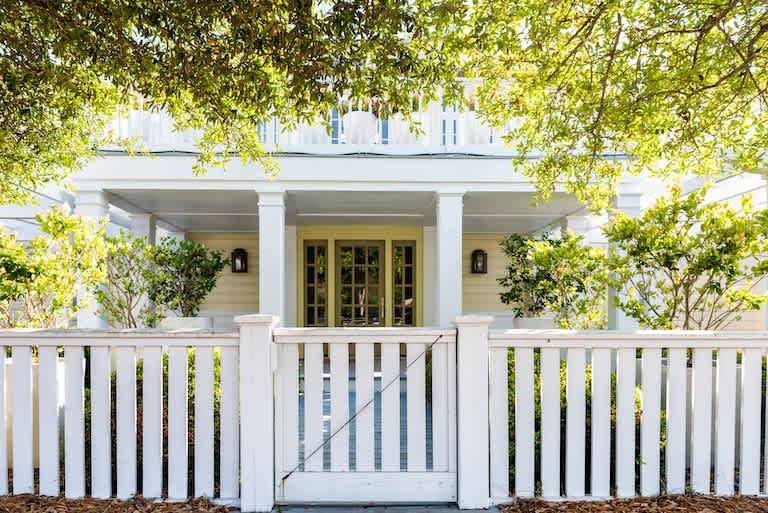
A new fence adds privacy, improves safety, and even boosts curb appeal. But how much does fence installation cost? Find out in this guide.
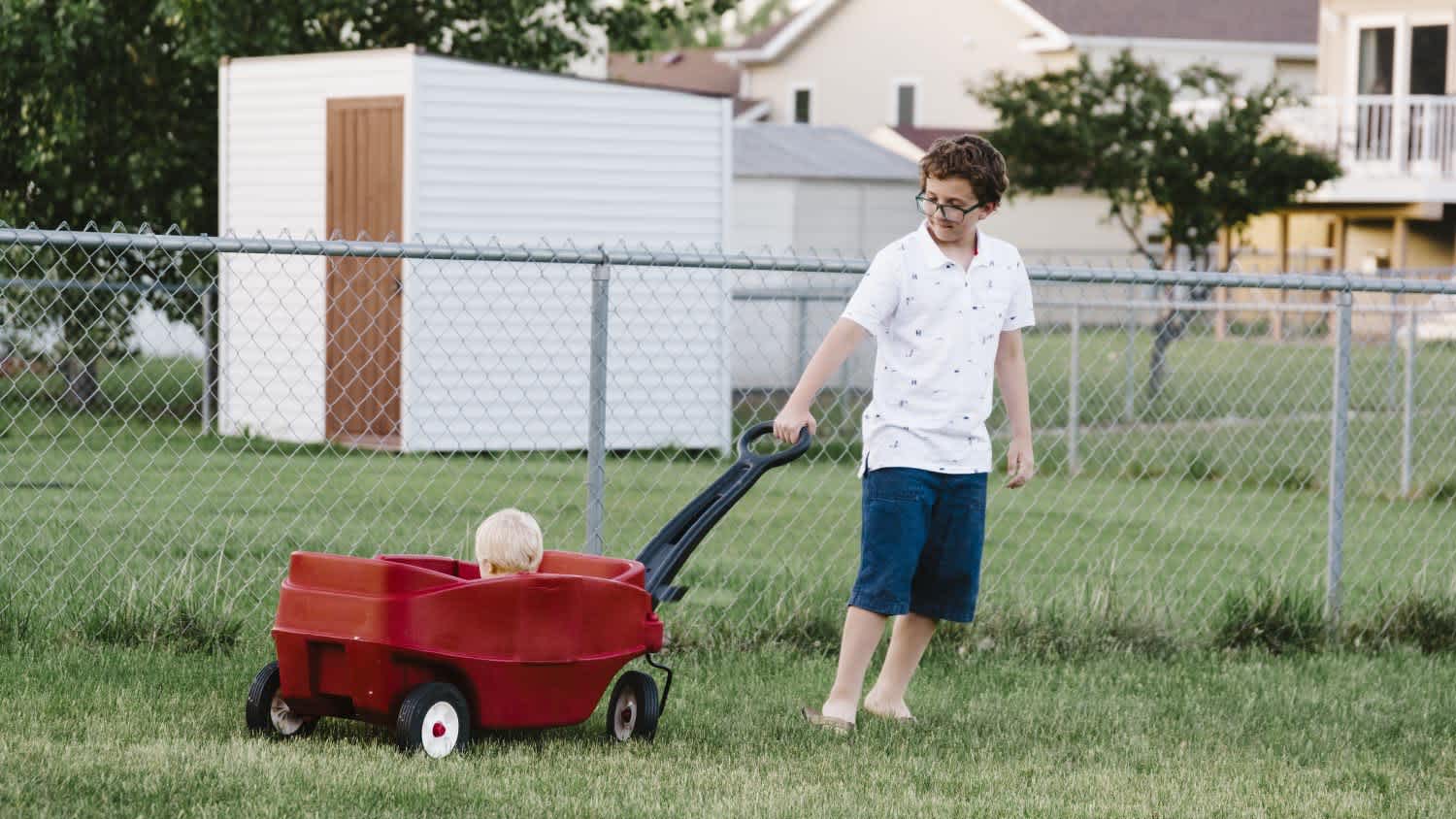
Chain-link fences are among the most affordable options available. Use this chain link fence cost guide to see what your fence installation will total.
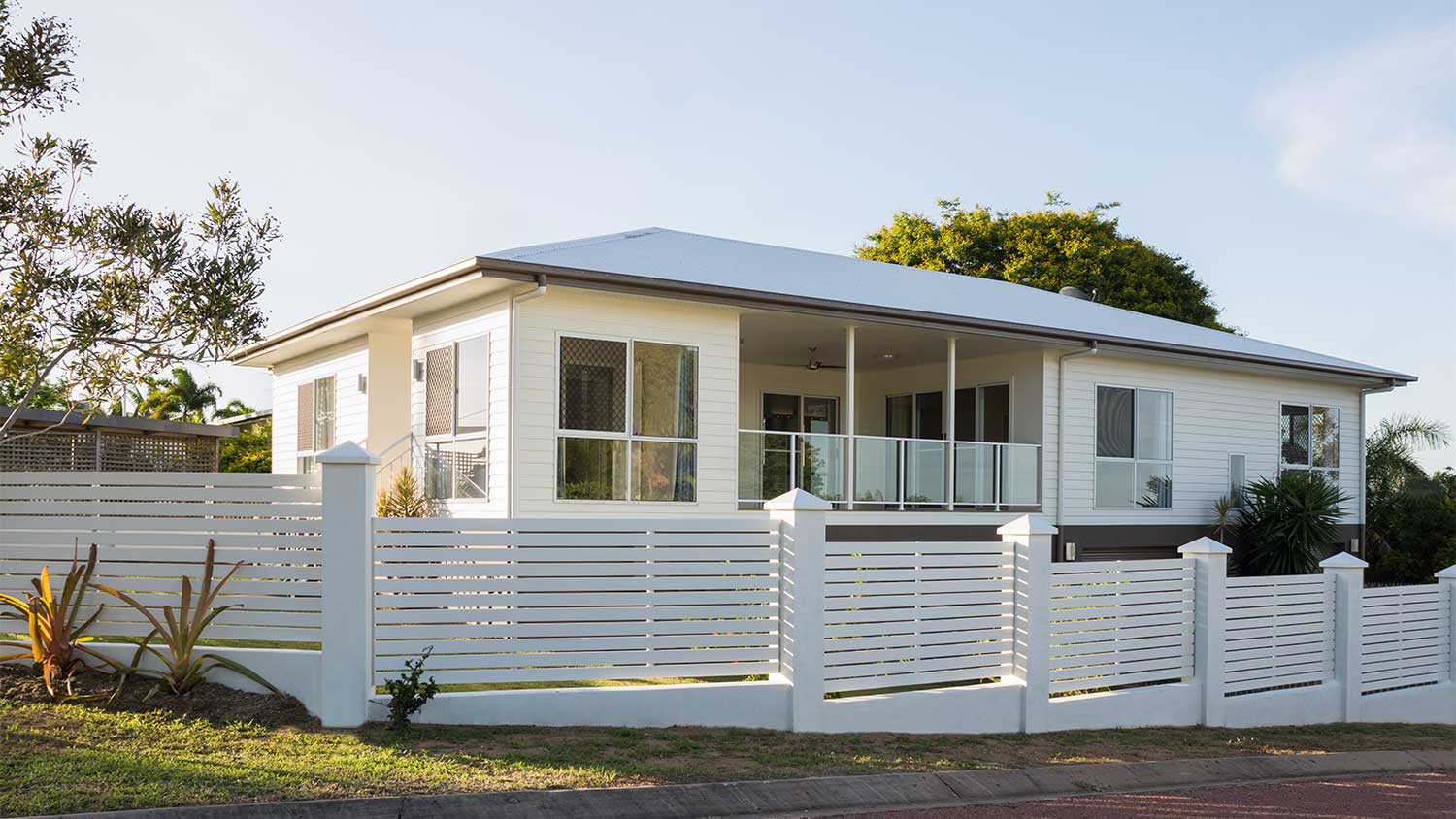
Fence repair costs depend on the extent of damage, your fence's material, and how much of the fence you need to fix. Explore all the price factors in this guide.

Fences make great neighbors. Here's how to choose the right types of fences for privacy and security in your yard.

There are a lot of different types of farm fencing. Find the one that’s right for your property with our handy guide.
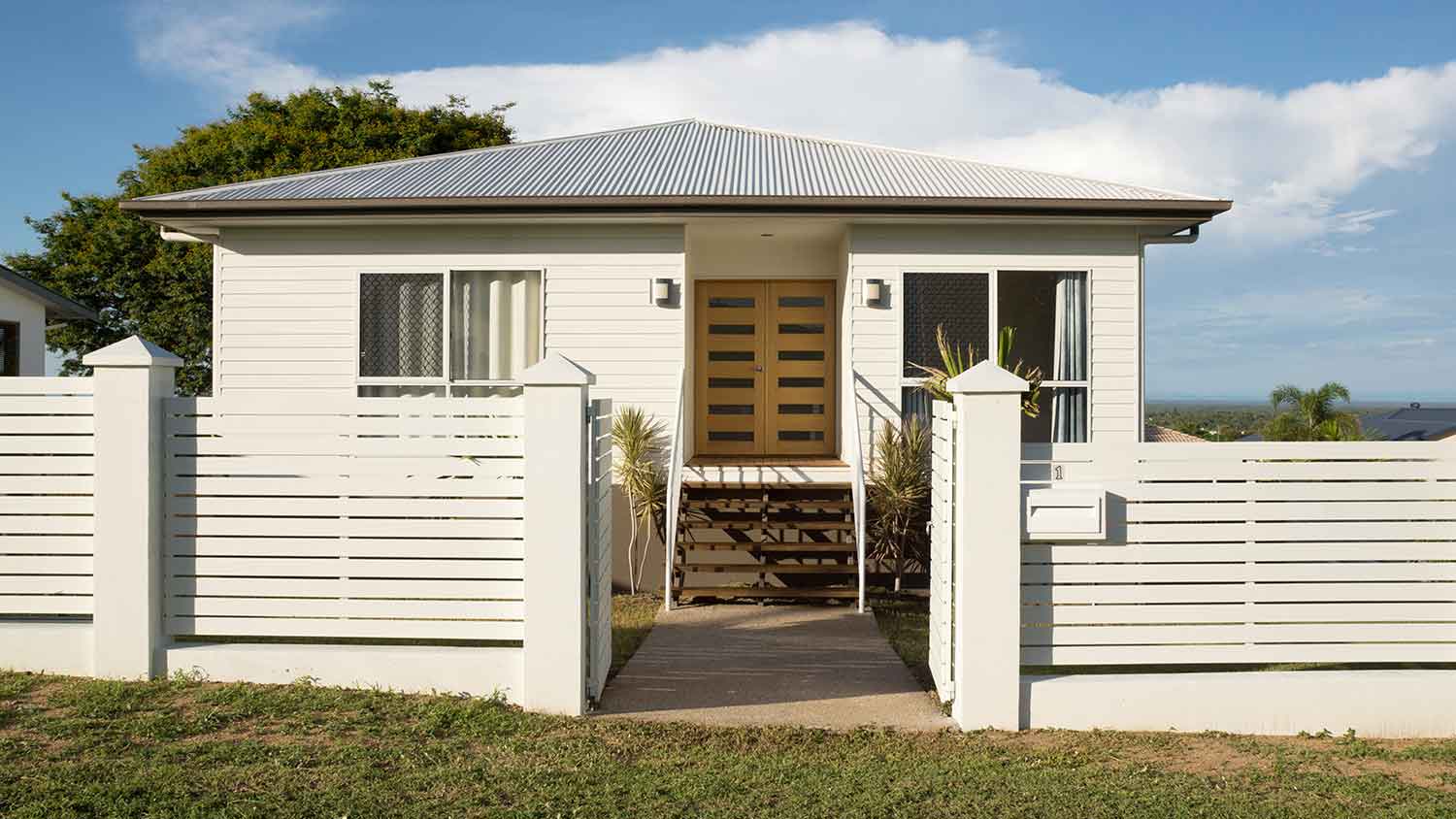
Looking for a way to increase privacy at home without taking on extra chores? Learn about the best low-maintenance fence options.