






Top-rated bird control service pros.

Get matched with top bird control service pros in Homer, NE

Enter your zip and get matched with up to 5 pros

Need a pro for your bird control service project in Homer, NE?

Select your specific project to find the pro for you.

Find Bird control service pros in Homer

Bird Control questions, answered by experts

If a wild animal enters your yard, prioritize safety for yourself and the animal. Remember to avoid direct contact and always keep a safe distance. Contact local authorities or a wildlife rehabilitation center if the animal is hurt or in distress. Both sources should be able to guide you on how to proceed and send help if needed. Please wait for the animal to leave naturally for non-threatening situations, as many will. To deter future visits, implement measures like securing trash cans, sealing entry points, and removing potential food sources.

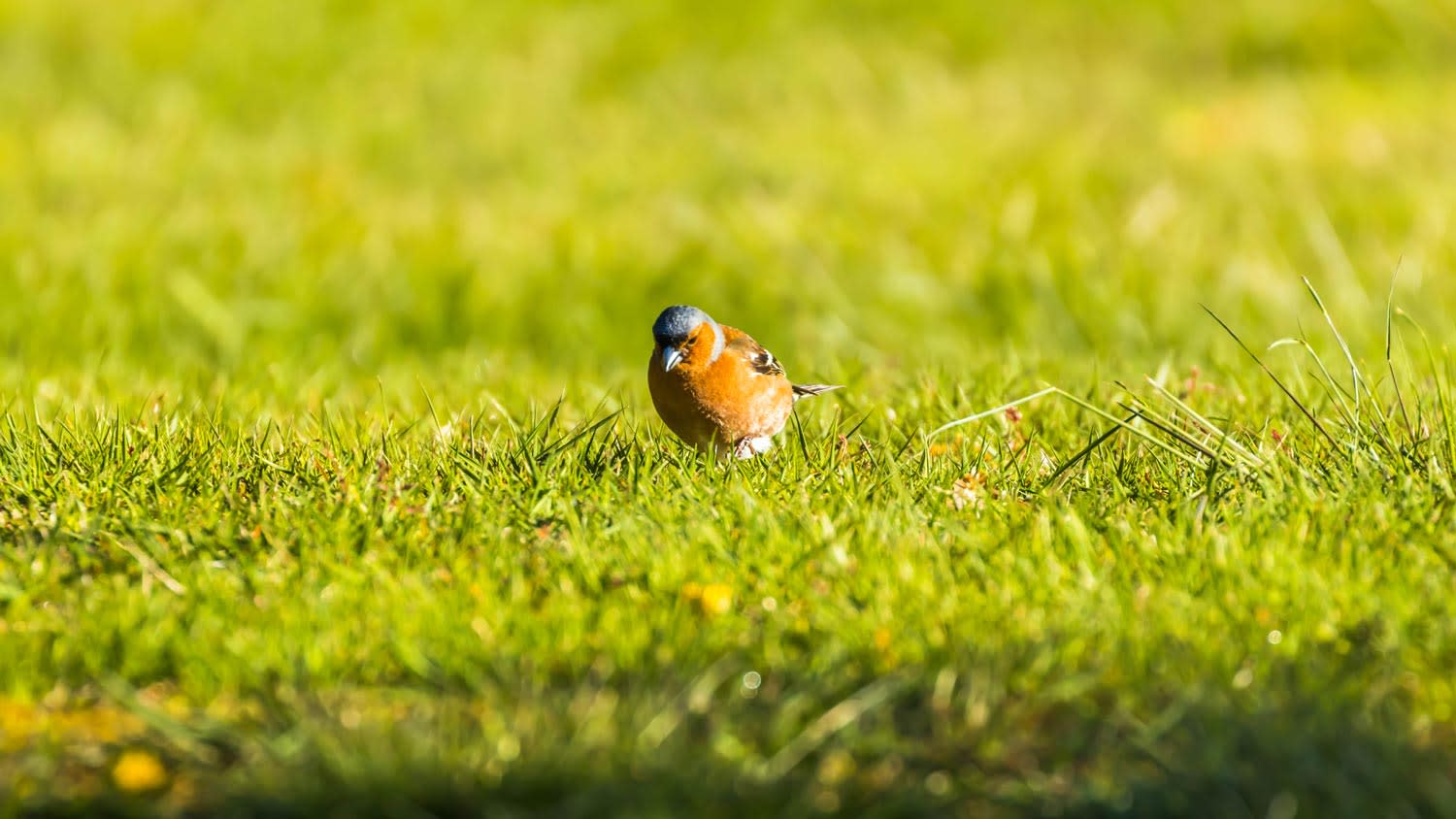
Birds eat grass seed for one simple reason—it’s delicious! The seeds are rich in nutrients such as carbohydrates, proteins, and fats. Seeds are also high in energy, so humans eat trail mix loaded with seeds and nuts for long-distance activities. Grass seed, when unprotected, is also exceptionally easy to access.

Pest control timelines depend on what services are being provided, size and type of infestation, and size of your home. Some inspections can take an hour or more, while preventative treatments only take 30 minutes to complete. Basic spaying for a problem like roaches or termites can take about an hour for small homes, but much longer for large properties and infestations. Consult your pest control pro for a time estimate based on your situation.

Natural swimming pools are designed to deter pests, including mosquitoes. While any body of water can potentially attract pests, the natural filtration system keeps the water clean and constantly moving. Mosquitoes specifically are attracted to standing water, so the continuously circulating water in a natural pool makes it an inhospitable environment for them.

When woodpeckers start banging on your walls or roof, they are probably looking for insects to eat, storing nuts for winter, drilling a hole to make a nest, or communicating with other birds to establish territory or find a mate.

The size of the hole can help determine the reason for the pecking. Small irregular holes are a result of insect hunts. Acorn holes are more consistently sized and often fitted with a nut in the middle. Nest holes are large and have rounded edges. If the bird is pecking to mark its territory or attract a mate, it may leave dents rather than holes, and the noise will stop when the mating season starts in spring.

The Homer, NE homeowners’ guide to bird control services

From average costs to expert advice, get all the answers you need to get your job done.