




Top-rated basement waterproofing pros.

Best basement waterproofing pros near Homer, NE

Enter your zip and get matched with up to 5 pros

Top-Rated Basement waterproofing pros in Homer - Updated Nov 2026

Avatar for Groundworks
Groundworks
5.0(
66
)
Foundation, Basement or Crawlspace - Waterproofing / EncapsulationBasement Drainage Channels - InstallBasement Drainage Channels - Repair

Serving Homer, NE and surrounding areas

Approved (Corporate)

Super Service Award Winner

In business since 2000

Free estimates

Warranties offered

"Groundworksâ listened to our input and throughly evaluated the requirements to support the basement walls and prevent water from coming in. They were on time and communicated clearly and timely. The Foreman did an evaluation and recommended a couple changes to the plan that I agreed with and weâ re beneficial. The 3 workers knew what they were doing and worked hard. I appreciate the manner they communicated and they were very friendly. Overall, they did a great job!"
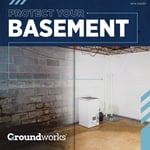
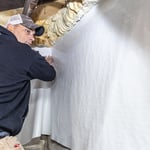
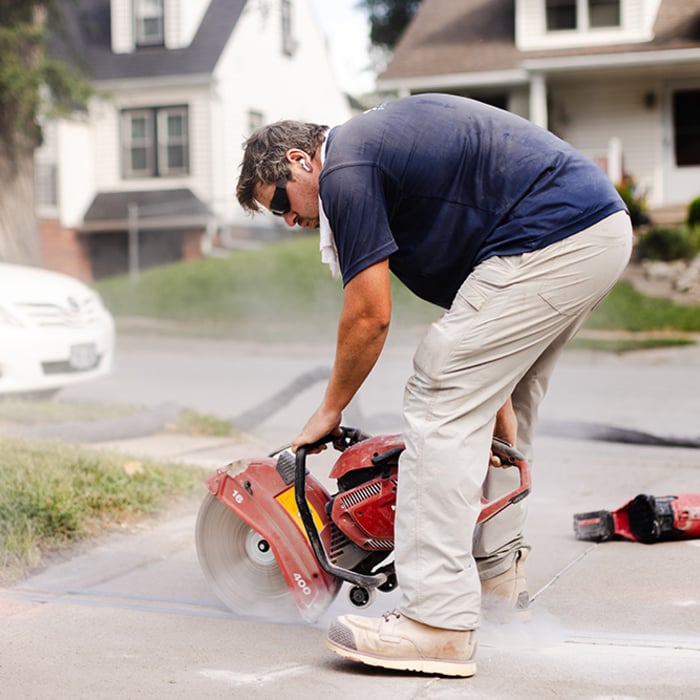
Protect Your Basement
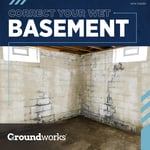
Correct Your Wet Basement
Protect Your Basement
Waterproof Your Basement
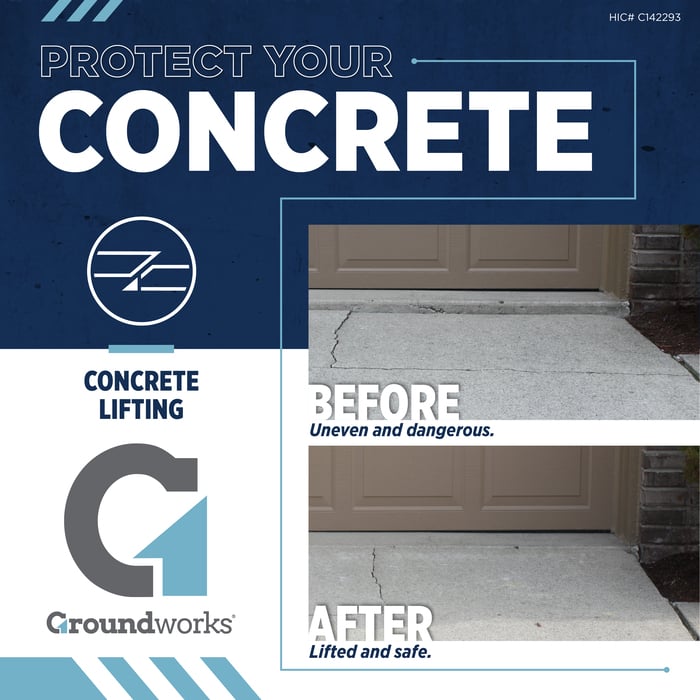
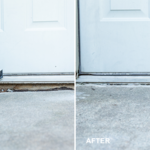
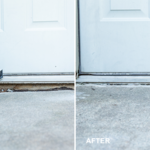
Protect Your Concrete Before & After

+16

202 neighbors recently requested a quote
Recommended by72%of homeowners

Avatar for Thrasher Foundation Repair - Omaha
Thrasher Foundation Repair - Omaha
4.7(
168
)
Basement Drainage Channels - InstallBasement Drainage Channels - RepairFoundation, Basement or Crawlspace - Waterproofing / Encapsulation

Serving Homer, NE and surrounding areas

In business since 1975

Free estimates

Warranties offered

"We did a lot of research prior to hiring Thrasher and we were not disappointed. Frankly I had been in denial (and fear) about the work I knew we needed done on our Midtown Omaha home because I was so concerned about the cost and impact on our brick Tudor. We had a crack in the brick near our garage and our basement had been leaking for a number of years with hard rains. From the start of the process, Thrasher was outstanding in terms of communication and education about what they do. Before we met with our Systems Design Specialist, Anthony, we had received e-mails and calls to confirm the date, along with a packet of educational materials about home foundations and waterproofing. When Anthony came to our home, he was very professional and performed a full inspection about our concerns. He prepared an estimate and we selected what was best for us following a thorough review of options he presented. The foundation work was completed first in ONE day. The basement waterproofing was completed the next week over a two-day time frame. The workers were very professional and arrived at the time they arranged with us. In regard to the basement waterproofing, we discovered one small issue. They came out immediately to correct this and all has been worked wonderfully since. We are very pleased with their work and commitment to customer service. Highly recommend Thrasher to anyone considering foundation or waterproofing work."
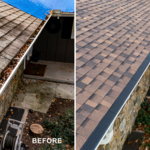
Additional Photos
Additional Photos
Additional Photos
Additional Photos
Additional Photos

+26

Response time9 hrs
Recommended by88%of homeowners
Basement Waterproofing FAQs, answered by experts

While a standard gutter system is widely considered the most effective way to prevent water damage to your home's foundation, several alternatives are available. These options can be used on their own in certain climates or as supplementary protection.

Common alternatives include:

  • Rain Chains: These are decorative chains that hang from the roof's edge, guiding rainwater to the ground.

  • Drip Edges: These metal strips are installed at the edge of the roof to direct water away from the fascia. While often used with gutters, they can be paired with a ground-level solution but are typically not sufficient on their own.

  • Rain Dispersal Systems: These systems work by breaking up the heavy sheet of water flowing off the roof, dispersing it over a wider area.

  • French Drains: This ground-level system uses a perforated pipe in a gravel-filled trench to collect and redirect water runoff away from the house.

  • Drip Paths: Placed directly below the roofline, these paths made of concrete, stone, or other materials prevent soil erosion and guide water away.

It's important to note that some alternatives like rain chains and dispersal systems may not be adequate in regions with heavy rainfall because they don't divert water away from the foundation as effectively as a full gutter system. Ground-based solutions like French drains can be very effective but are often more expensive and can affect your landscaping and curb appeal. Many experts recommend installing a full gutter system for maximum protection and using alternatives as supplementary measures.

A walkout basement is considered to be partially below grade because at least one wall is entirely exposed. In some cases and in specific municipalities, inspectors and appraisers will still count walkout basements as below grade, which means the space can’t serve as living space or be rented out. If you intend on using the area as living space or a separate apartment, you should check with your local building department to make sure it’s legal to do so.

In most cases, it is safe to live in a home with minor foundation problems, but you should not let the issues persist. Virtually all foundations have small cracks from normal settlement, which are not a structural concern but should be sealed to prevent water intrusion. However, major damage—such as large structural cracks, sinking foundations, or bulging walls—can make a home unsafe. Other issues that can pose safety and health risks include poor indoor air quality from mold or pests, uneven floors, and rotten beams or joists. It is always best to have a foundation repair expert or structural engineer inspect any issues to determine if your home is safe to live in.

The primary reason homes have crawl spaces is so the foundation can reach down below the frost line to avoid dangerous soil movement and structural damage when the ground freezes. They’re more popular in colder climates where the ground freezes down to a few feet, and slabs are most popular in warmer areas where there is no frost line. Crawl spaces also provide a space for utility lines to run where they’re at less of a risk of freezing.

Signs include persistent dampness, mold or mildew presence, musty odors, and visible water stains. If any of these occur, it is advisable to contact a professional for an inspection.

The Homer, NE homeowners’ guide to basement waterproofing services

From average costs to expert advice, get all the answers you need to get your job done.