








Top-rated bird control service pros.

Best bird control service pros near Dakota Dunes, SD

Enter your zip and get matched with up to 5 pros

Need a pro for your bird control service project in Dakota Dunes, SD?

Select your specific project to find the pro for you.

TRUSTED BY DAKOTA DUNES, SD HOMEOWNERS

  • Average homeowner rating star icon4.3
    Average homeowner rating
  • Verified reviews icon11
    Verified bird control services reviews

Top-Rated Bird control service pros in Dakota Dunes - Updated Nov 2026

Avatar for Presto-X (St. Louis)
Presto-X (St. Louis)
New to Angi
Pest Control - Birds and Bats

Serving Dakota Dunes, SD and surrounding areas

Approved

In business since 1932

Free estimates

Warranties offered

Since 1932, Presto-X has been providing expert pest control services guided by the enduring principles of providing world class service to our customers and taking care of our colleagues. Presto-X covers your home or business with expert knowledge, professionally licensed and trained technicians, and exemplary service designed specifically for you.
Bird Control FAQs, answered by experts

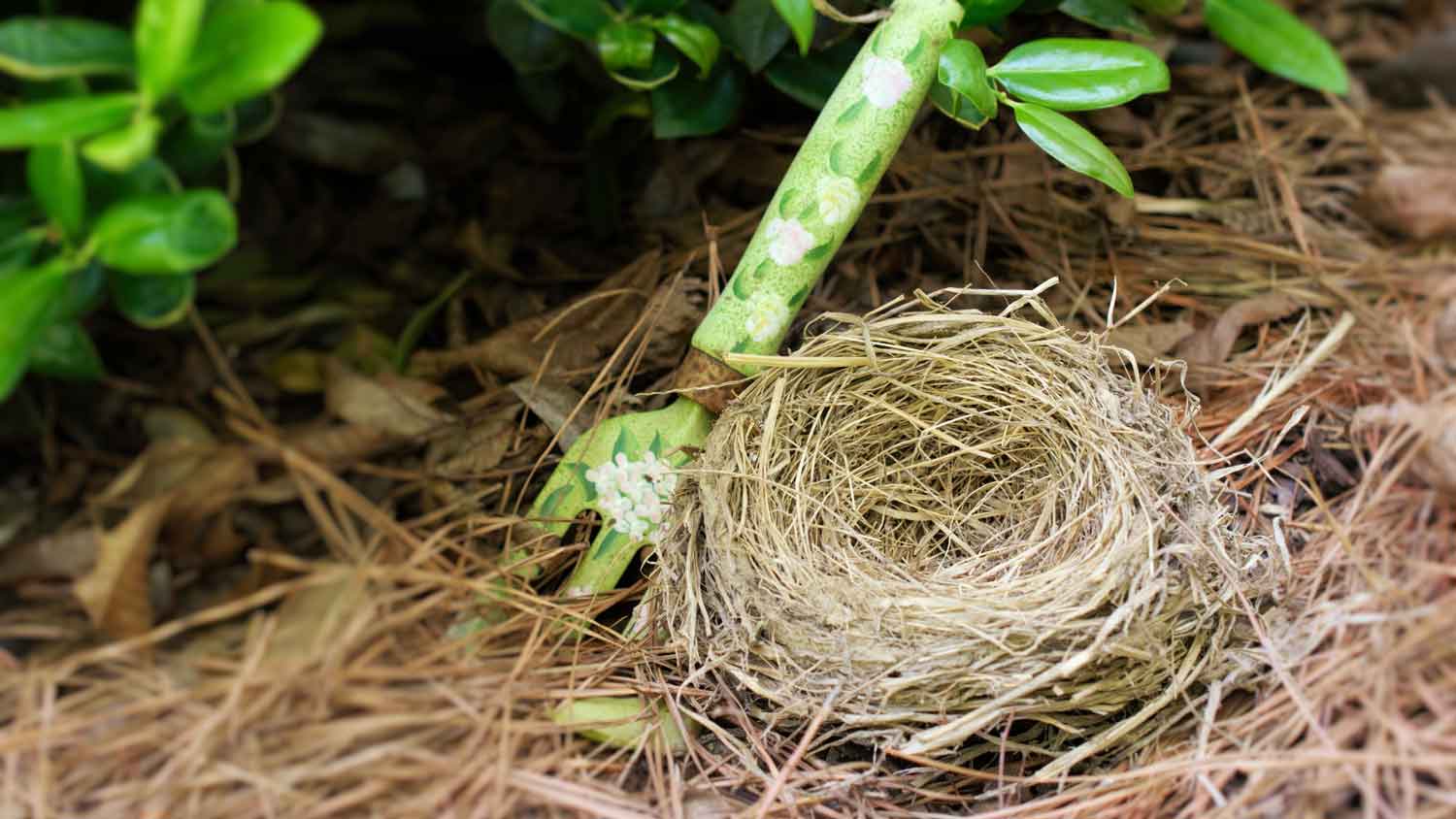
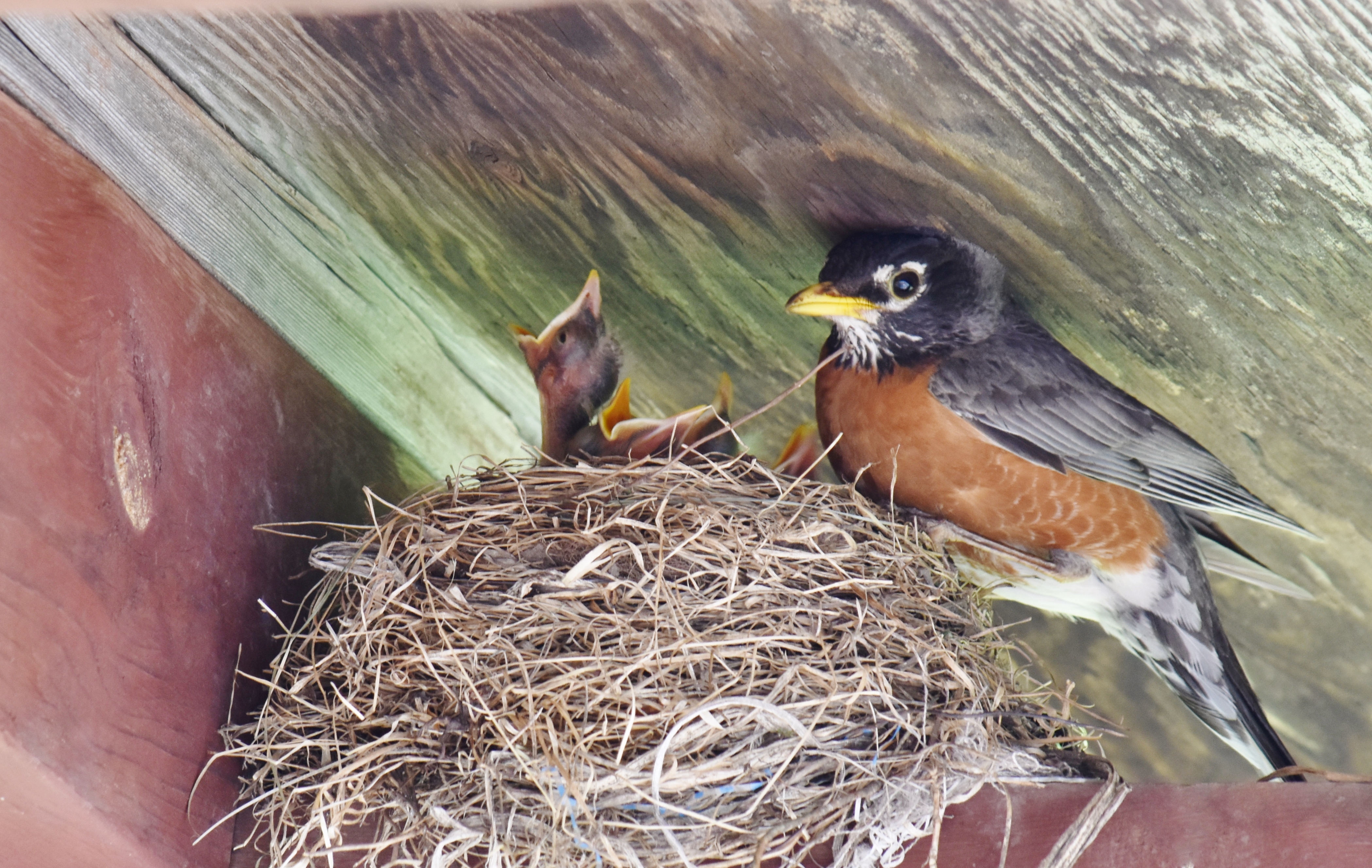
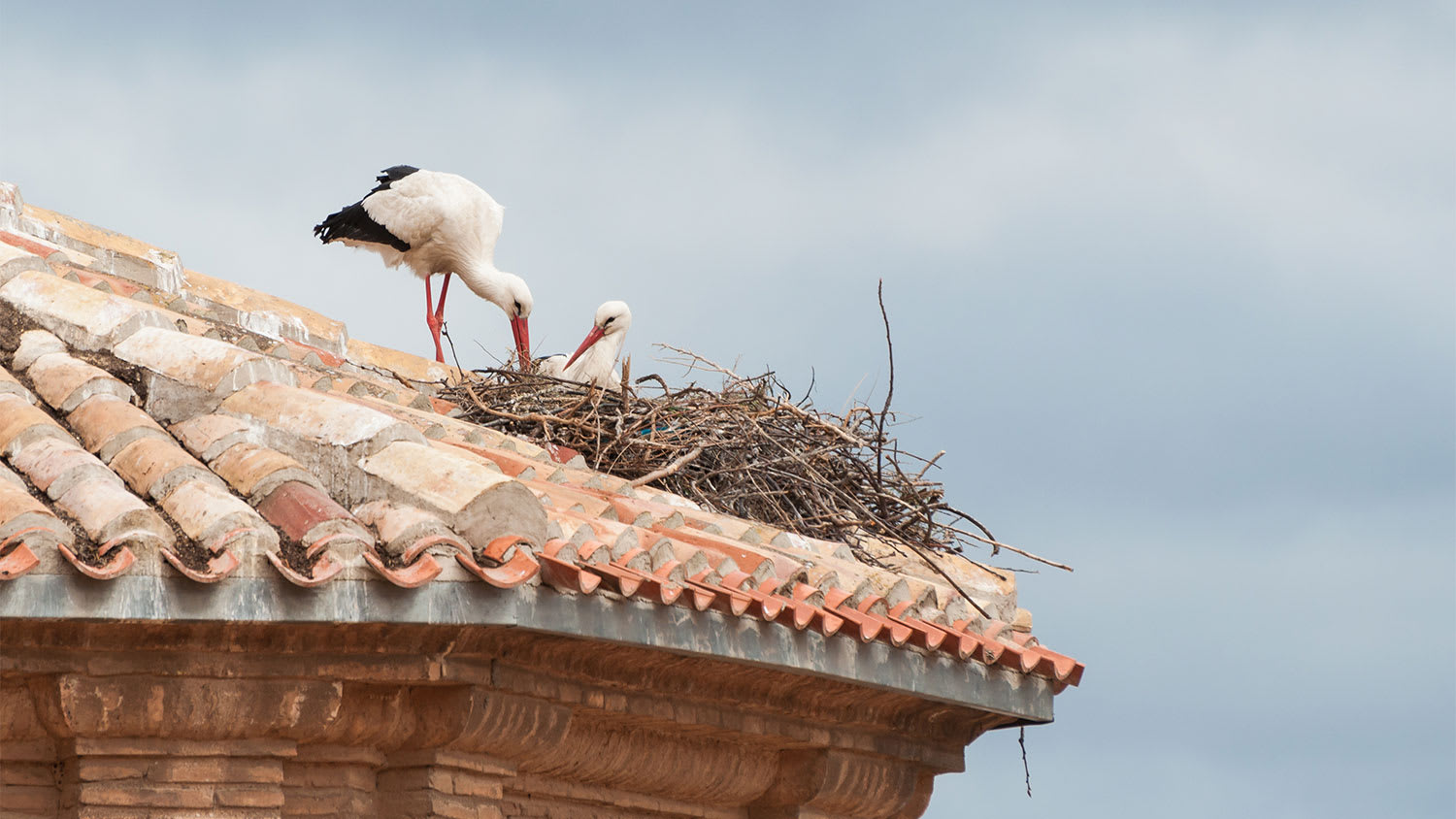
The lifespan of a bird's nest depends on the species. The building process can take from two days to three weeks. Once built, the nesting period for baby birds can last from two to ten weeks before they leave the nest. While most young birds are ready in two to six weeks, some predatory species may need up to two and a half months. Some species nest four to five times per year, so a nest could remain in use for several months. For specific information about a particular nest's longevity, it is best to consult a wildlife professional.

Yes, predator decoys work to keep birds away, at least temporarily. However, if the decoy remains motionless in the same spot for a long enough time, the birds will eventually wise up and realize it's a fake. Keep changing the location of the predator decoy to ensure that the birds keep their guard up and maintain their distance.

Fake owls are a common goose deterrent decoy and one of the most humane ways to scare away geese. Unfortunately, some geese are wise to fake predators. Decoys can be more effective if you move them around frequently or purchase ones with motion features. Decoys that move in the wind are also more effective than stationary decoys.

When woodpeckers start banging on your walls or roof, they are probably looking for insects to eat, storing nuts for winter, drilling a hole to make a nest, or communicating with other birds to establish territory or find a mate.

The size of the hole can help determine the reason for the pecking. Small irregular holes are a result of insect hunts. Acorn holes are more consistently sized and often fitted with a nut in the middle. Nest holes are large and have rounded edges. If the bird is pecking to mark its territory or attract a mate, it may leave dents rather than holes, and the noise will stop when the mating season starts in spring.

If a wild animal enters your yard, prioritize safety for yourself and the animal. Remember to avoid direct contact and always keep a safe distance. Contact local authorities or a wildlife rehabilitation center if the animal is hurt or in distress. Both sources should be able to guide you on how to proceed and send help if needed. Please wait for the animal to leave naturally for non-threatening situations, as many will. To deter future visits, implement measures like securing trash cans, sealing entry points, and removing potential food sources.

The Dakota Dunes, SD homeowners’ guide to bird control services

From average costs to expert advice, get all the answers you need to get your job done.