


Top-rated bird control service pros.

Get matched with top bird control service pros in Hinton, IA

Enter your zip and get matched with up to 5 pros

Need a pro for your bird control service project in Hinton, IA?

Select your specific project to find the pro for you.

TRUSTED BY HINTON, IA HOMEOWNERS

  • Average homeowner rating star icon4
    Average homeowner rating
  • Verified reviews icon14
    Verified bird control services reviews

Find Bird control service pros in Hinton

Avatar for Terminix® Pest Control
Terminix® Pest Control
4.5(
2
)
Pest Control - Birds and Bats - For Business

Serving Hinton, IA and surrounding areas

Approved

In business since 1927

Free estimates

Warranties offered

"Very knowledgeable guy who seem to know what he’s doing. Don’t know results of spraying. Have had much rain since. Will have to see if it worked. Terminex will spray again the beginning of next month."
My jobs
My jobs
My jobs
My jobs
My jobs

+2

51 neighbors recently requested a quote
Bird Control questions, answered by experts

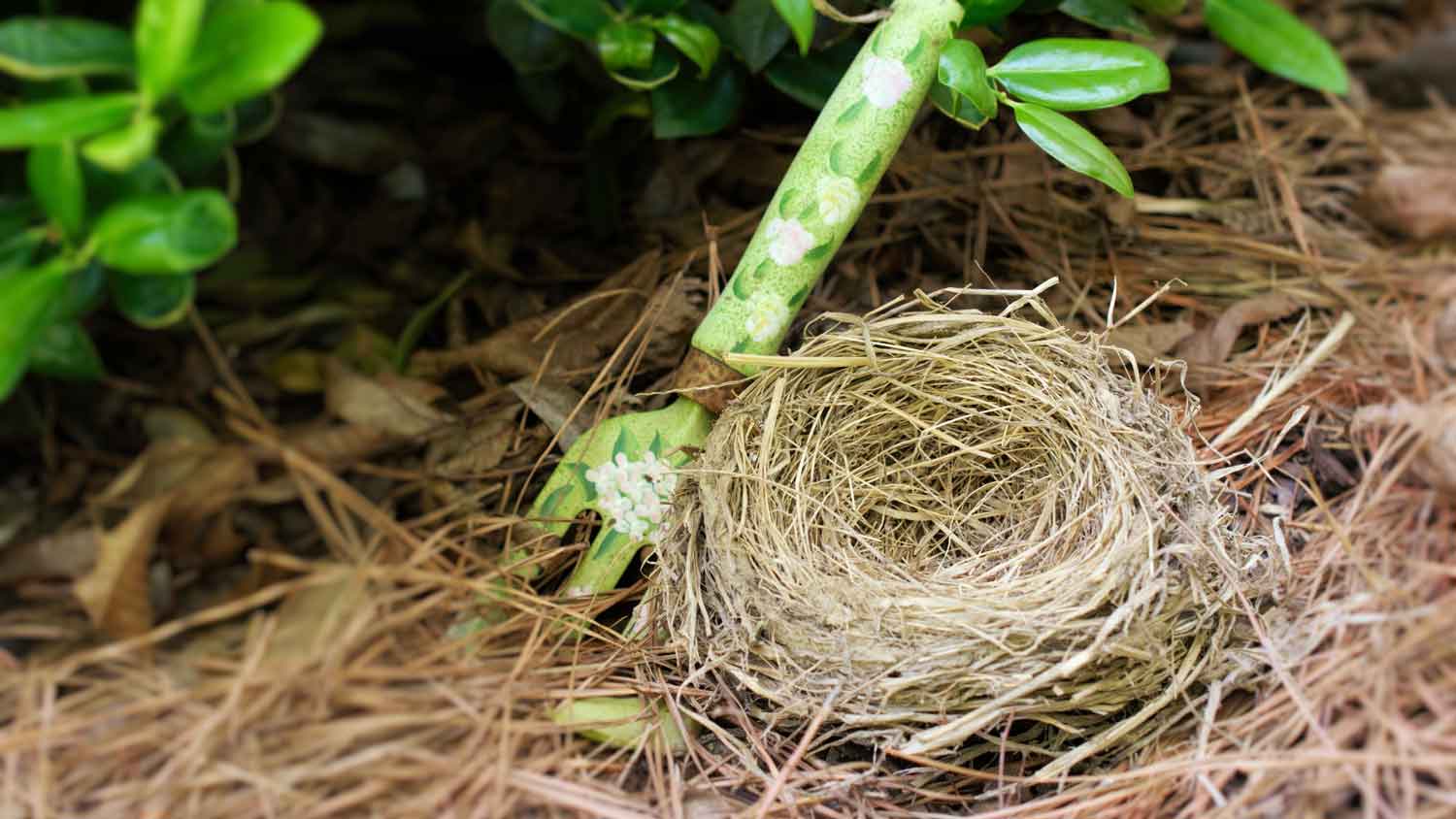
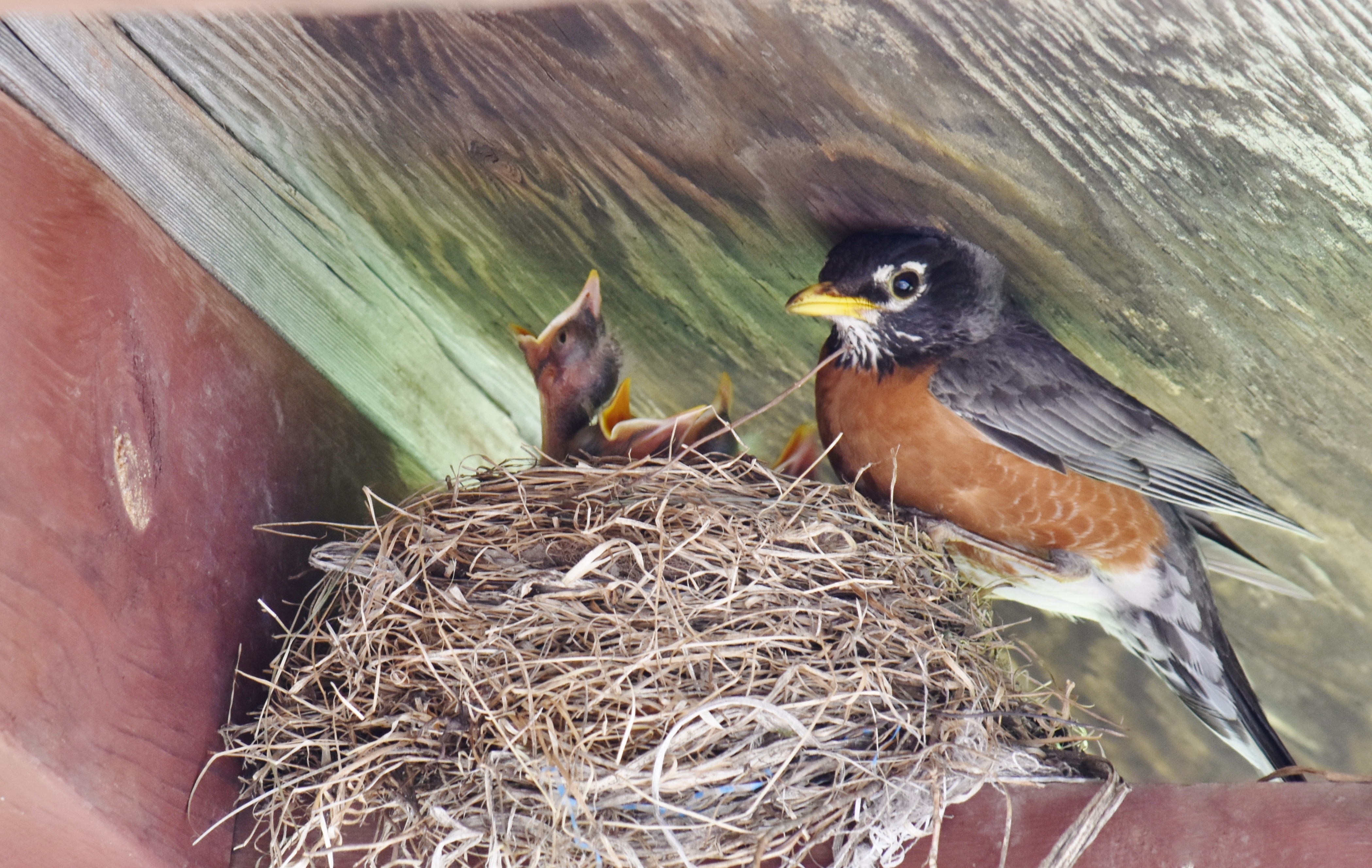
Many different types of animals like to build nests in attics. The types may vary depending on your home’s condition and location and you can prevent them by sealing off entry points and eliminating food sources. The most common critters that like to build nests in your attic include:

  • Raccoons

  • Bats

  • Squirrels

  • Mice

  • Rats

When woodpeckers start banging on your walls or roof, they are probably looking for insects to eat, storing nuts for winter, drilling a hole to make a nest, or communicating with other birds to establish territory or find a mate.

The size of the hole can help determine the reason for the pecking. Small irregular holes are a result of insect hunts. Acorn holes are more consistently sized and often fitted with a nut in the middle. Nest holes are large and have rounded edges. If the bird is pecking to mark its territory or attract a mate, it may leave dents rather than holes, and the noise will stop when the mating season starts in spring.

Trees that provide a habitat to bats and an abundance of bugs—their main food source—will attract bats to your yard. Because the North American landscape has changed so much in recent years, bats have a harder time finding trees with cavities to shelter in. If your yard has a dead or dying tree with a lot of sun exposure, bats will likely be drawn to it because trees with those features are less common.

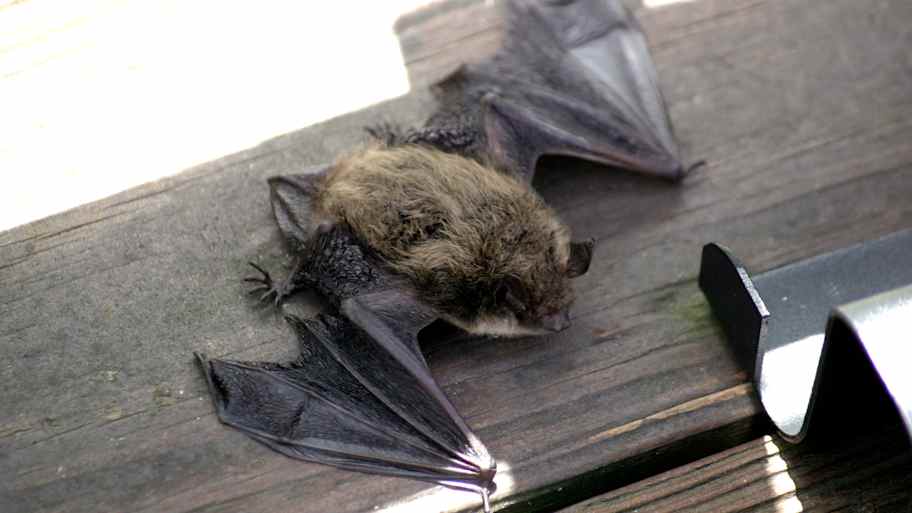
Finding a dead bat in your home can be frightening, even during spooky season. The United States Department of Interior states that if you find a dead bat, take these steps:

  • Contact your state wildlife agency to report the finding

  • Photograph the bat safely to help the wildlife agency determine the species

  • Use disposable gloves to place the bat into a plastic bag, making sure to spray with disinfectant and close the bag securely 

  • Thoroughly clean your hands and any clothing that came into contact with the bat

If you see one dead bat, you might have a large bat infestation that needs to be treated immediately. Call a local pest control company to properly inspect your home for other bats.

It is possible, though unlikely, that a home insurance policy will help cover the costs of professional bat removal. However, some policies will chip in for guano removal and associated repairs, such as replacing drywall. Take some time to read the fine print of your homeowner’s insurance policy and call your provider to inquire about bat removal, guano removal, and related repairs.

The Hinton, IA homeowners’ guide to bird control services

From average costs to expert advice, get all the answers you need to get your job done.