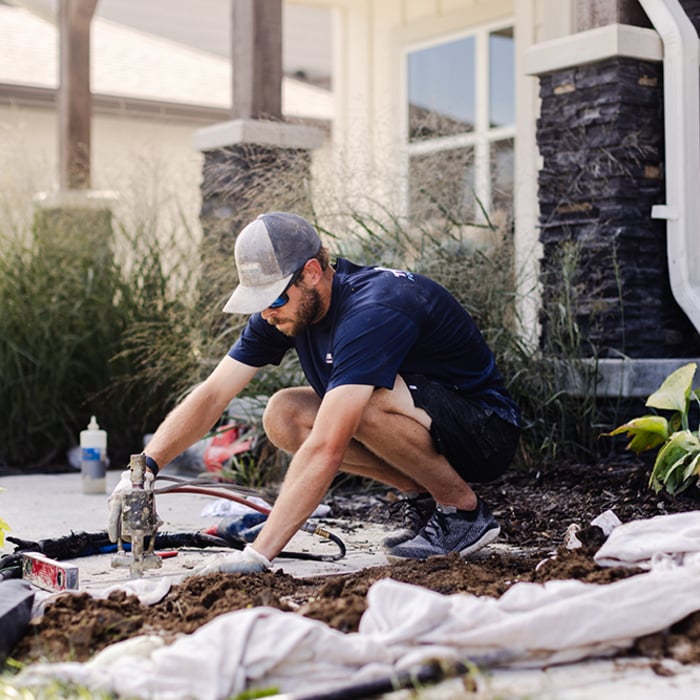
"Donald and Guiles came to complete a job at my home in Granby, MA in September 2026. They were extremely professional from start to finish. They arrived on time and took the time to thoroughly explain everything before beginning the project. Throughout the process, they kept me informed and made sure I understood what was happening every step of the way. They worked slowly, carefully, and thoughtfully to ensure the project was completed without causing any damage to my concrete slab. They also pitched my slab perfectly, which was very important to me. I truly appreciate the care, attention to detail, and professionalism they put into the entire job. I would highly recommend them!"
"Big shout out to Dil and Cruise for doing a splendid job . They were very courteous, patient enough to listen to my concerns and very friendly. The Job was to lift the concrete and seal the joint and cracks . Time will tell how well the seal will hold especially with colorodo weather but so far happy the result. Thank you Trasher."
"Thrasher employees had to come three times after water kept leaking in below an egress window. It is clear that not all employees have the same level of expertise; the very experienced lead employee on the third team knew immediately why the work from the second visit had failed and explained it to us in a way we could understand. While I am very disappointed that three visits were necessary and I have not dared reconstruct my basement, Thrasher was always pleasant and attentive when we notified them of problems, and the basement is completely dry now."
Concrete Mudjacking questions, answered by experts
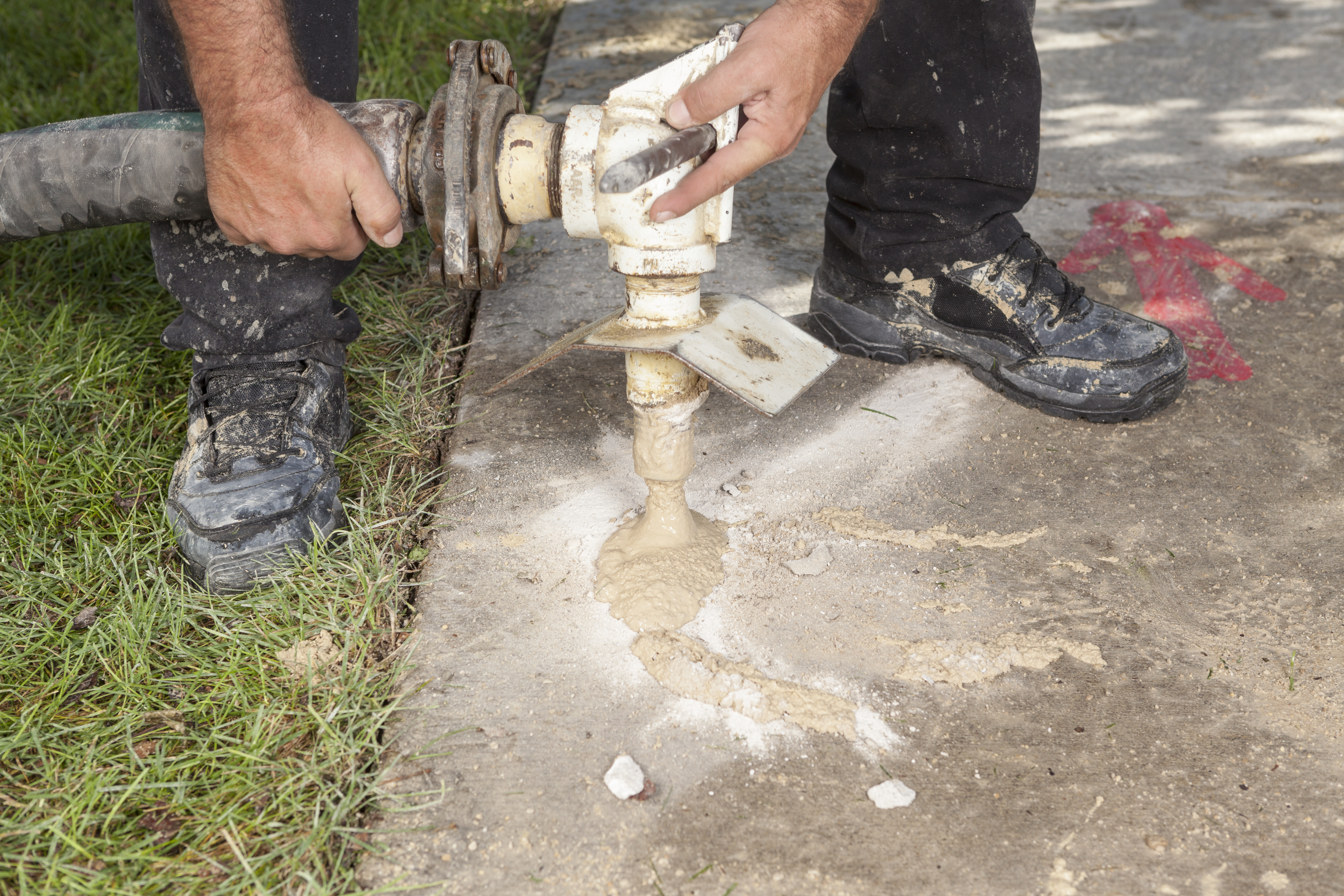
Mudjacking can be an expensive foundation repair process, but in many cases, it’s well worth the investment. This is especially true if you’re lifting a portion of sunken foundation slab back into place. In that case, mudjacking can help avoid major structural damage and even home collapse by restoring the integrity of your structure with minimally invasive procedures. Mudjacking a concrete patio, walkway, or sidewalk can be worthwhile because it removes tripping hazards and makes your outdoor area more aesthetically appealing.
Polyjacking and mudjacking can both be effective solutions for sinking concrete, but they have key differences. Polyjacking, which uses expanding polyurethane foam, is often considered a better option because the foam is significantly lighter than the cementitious material used for mudjacking. This reduced weight puts less pressure on the underlying soil and lowers the risk of future sinking. Polyjacking is suitable for any sinking concrete slab, while mudjacking is typically only recommended for non-structural concrete, such as sidewalks, patios, pool decks, and driveways. The primary drawback of polyjacking is its cost, which can be up to four times higher than mudjacking—as much as $25 per square foot compared to a maximum of about $6 per square foot for mudjacking.
Mudjacking restores level surfaces, prevents further damage, and is more cost-effective than a full replacement.
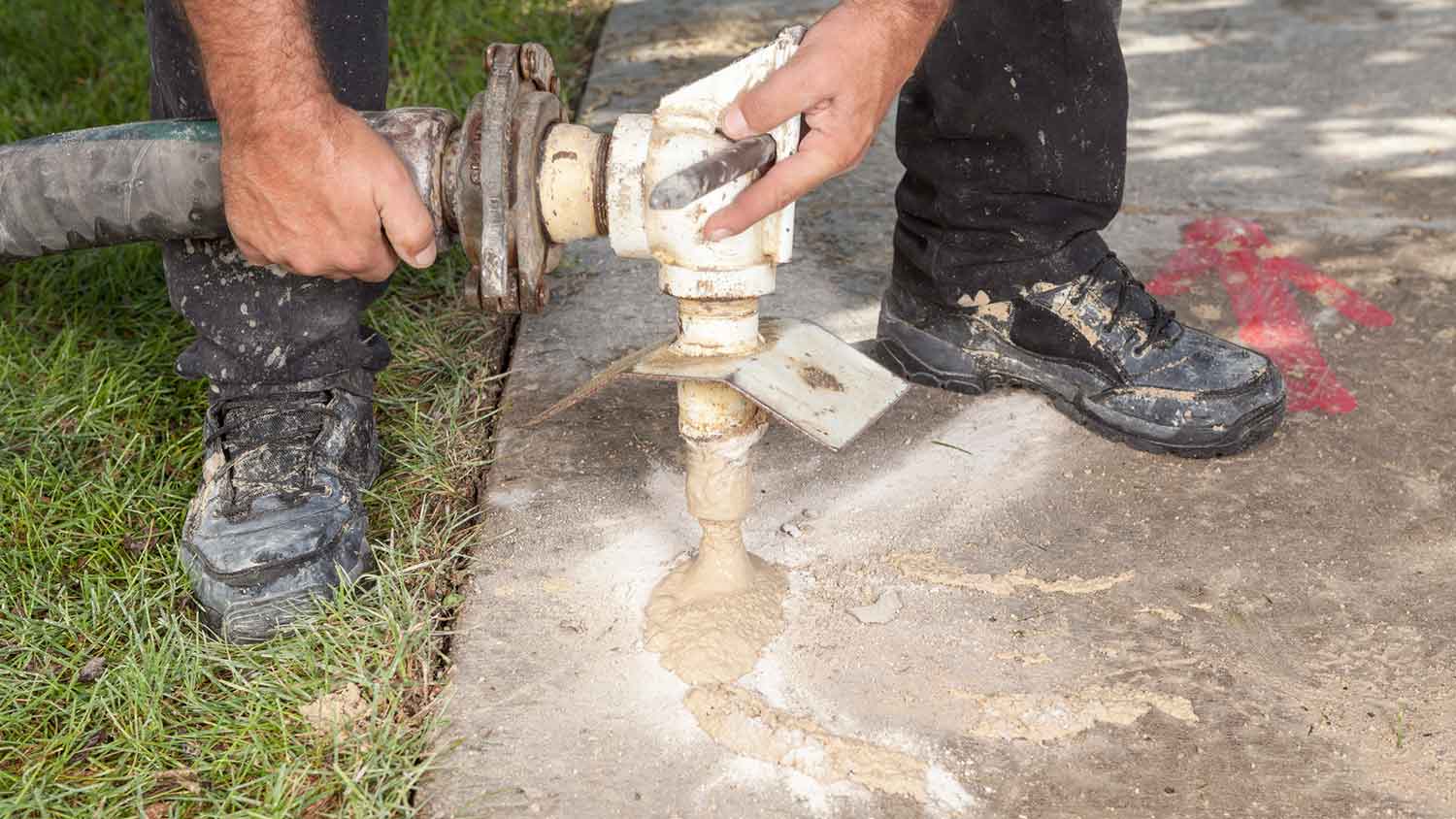
The method involves lifting settled concrete using pressurized cement slurry via drilled holes. This solves uneven surfaces and prevents further settling.
Most states and municipalities don’t require concrete mudjacking companies to carry a specific license, but they usually need to have a general contractor’s license, and they should be fully insured. The only exception is if the mudjacking company provides foundation repairs as well, or if it offers mudjacking for home foundations. In that case, they will typically need a foundation repair contractor’s license. You can check state requirements and then use Angi’s license lookup tool to confirm that a company is properly licensed to provide mudjacking services in your area.
The Curtis, NE homeowners’ guide to concrete mudjacking services
From average costs to expert advice, get all the answers you need to get your job done.
DIY mudjacking is an advanced task, but learning how to raise a concrete slab is great to know for many scenarios. Let's take a look at how to DIY mudjack.